A good ride can change your day.

Learn how e-bikes work and how to ride, charge, maintain, and store them safely. Our practical guides explain motors, batteries, controls, maintenance, riding techniques, troubleshooting, and everyday ownership in clear language—helping new and experienced riders avoid common mistakes and make informed decisions.
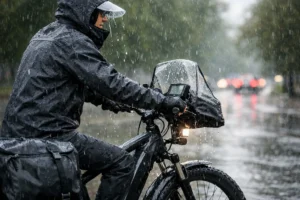
Practical ebike rain protection for wet rides: keep the battery, display, brakes, drivetrain, and rider safer before, during, and after rainy weather.
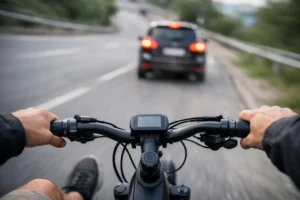
Learn how to respond to ebike brake failure, spot warning signs, and maintain e-bike brakes for safer stops on streets, paths, and hills. before rides.
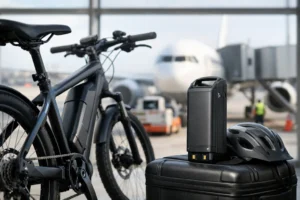
Most e-bike batteries exceed the 160 Wh passenger-flight limit. The bike may be accepted without its battery, subject to the airline’s rules.

E-bike trail access depends on the bike’s class and the land manager’s current rules. Riders should verify restrictions and closures before every ride.
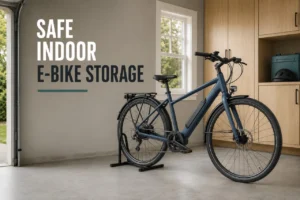
Safe indoor ebike storage starts with a dry location, proper battery handling, clear exits, and a stable bike setup. Follow practical steps for home safety.
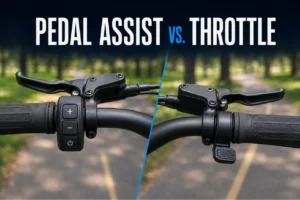
Learn how pedal assist throttle controls differ, when to use each safely, and how settings affect starts, range, handling, and local e-bike access rules.
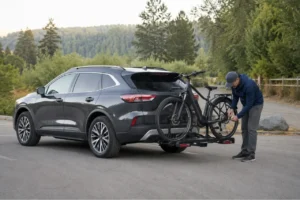
Learn how to transport ebike safely by car, with practical steps for removing the battery, securing the bike, checking weight limits, and driving safely.
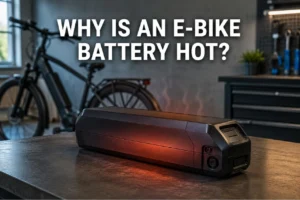
Why is ebike battery hot? Learn when warmth is normal, when it signals trouble, and the safe charging, storage, and service steps to take now safely.

Federal state ebike laws set different rules for speed, access, helmets, and equipment. Check your state, city, and trail rules before riding each trip.
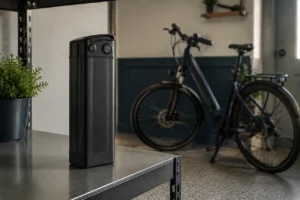
Store an e-bike battery at about 40% to 60% charge in a dry indoor area near 50°F to 77°F, and inspect it every 30 to 90 days during storage.
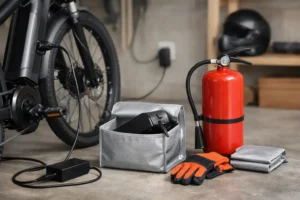
Electric bike fire safety starts with safe charging, storage, and inspection. Learn practical steps to protect your home, battery, and routine each day.

Ebike accident analysis helps riders identify crash causes, document key details, correct safety gaps, and decide when an e-bike needs service promptly.
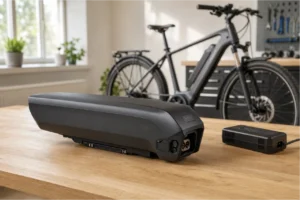
Ebike battery technology trends are improving range, charging, and safety. Learn what changes matter for care, storage, and everyday riding with care.

Can ebikes climb steep hills? Learn how grade, motor torque, battery charge, gearing, traction, and riding technique affect a safe uphill ride safely.
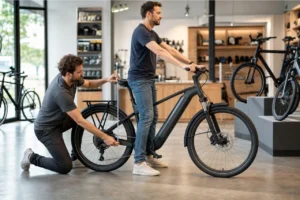
What size electric bike do I need? Learn how height, inseam, frame geometry, standover, reach, and riding style shape a comfortable, safe fit on each ride.

Do electric bikes work in rain? Most are made for normal wet rides. Learn safer handling, battery care, cleaning, and when to wait for drier conditions.
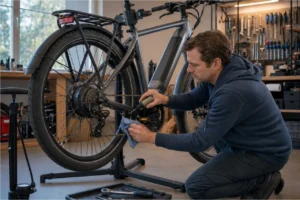
Learn how to maintain an electric bike with a practical routine for tires, brakes, chain, battery care, cleaning, storage, and qualified help when needed.
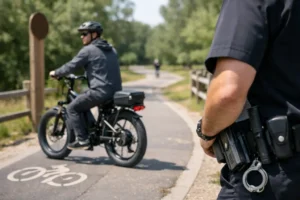
Are electric bikes legal on bike paths? Learn how e-bike class, speed, trail signs, and local rules determine where you may legally ride in the US today.
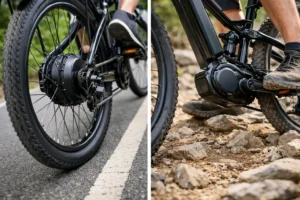
Hub motor vs mid drive ebike systems feel different on hills, in traffic, and during service. Learn the real maintenance and riding trade-offs safely.
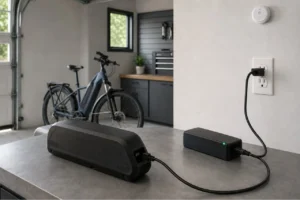
Learn how to charge an ebike battery safely with simple steps for the right charger, location, timing, storage, and warning signs to never ignore at home.