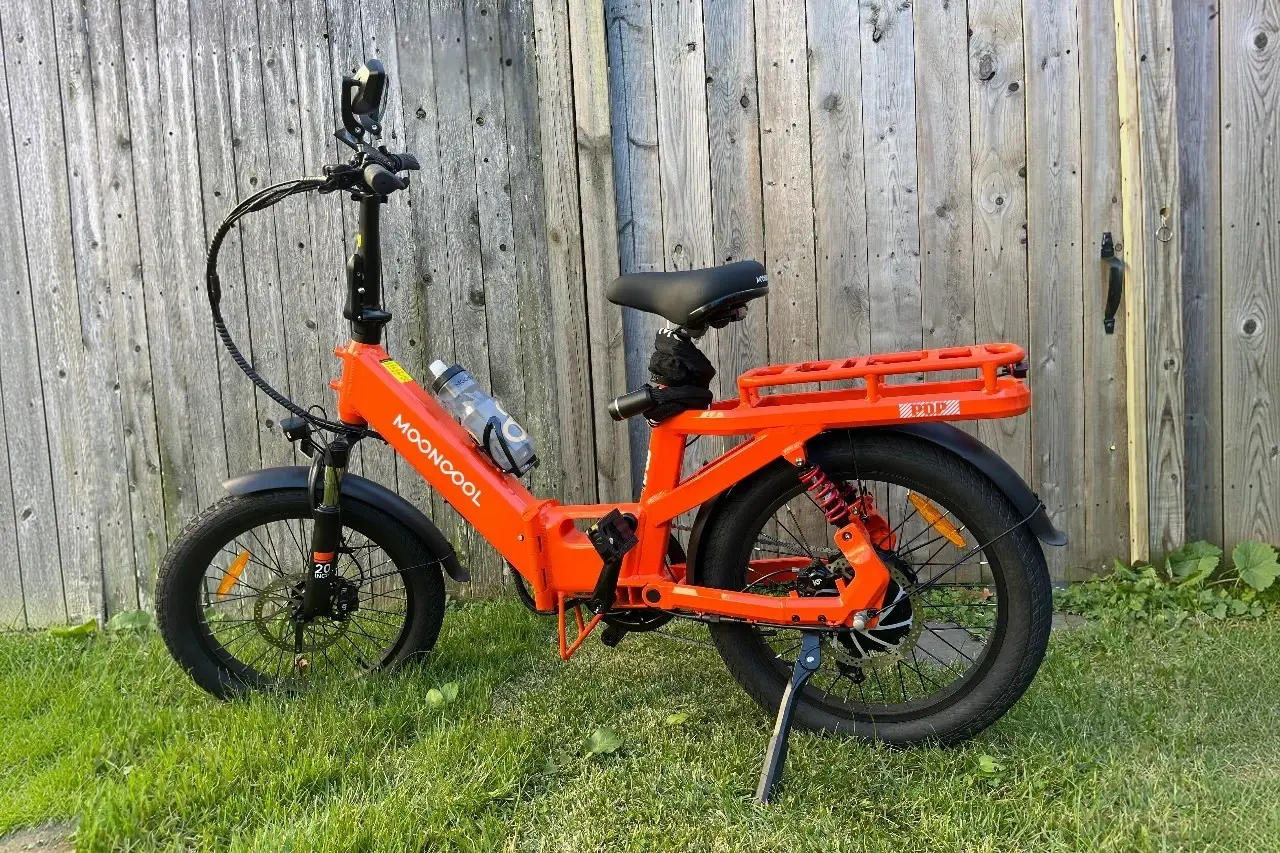
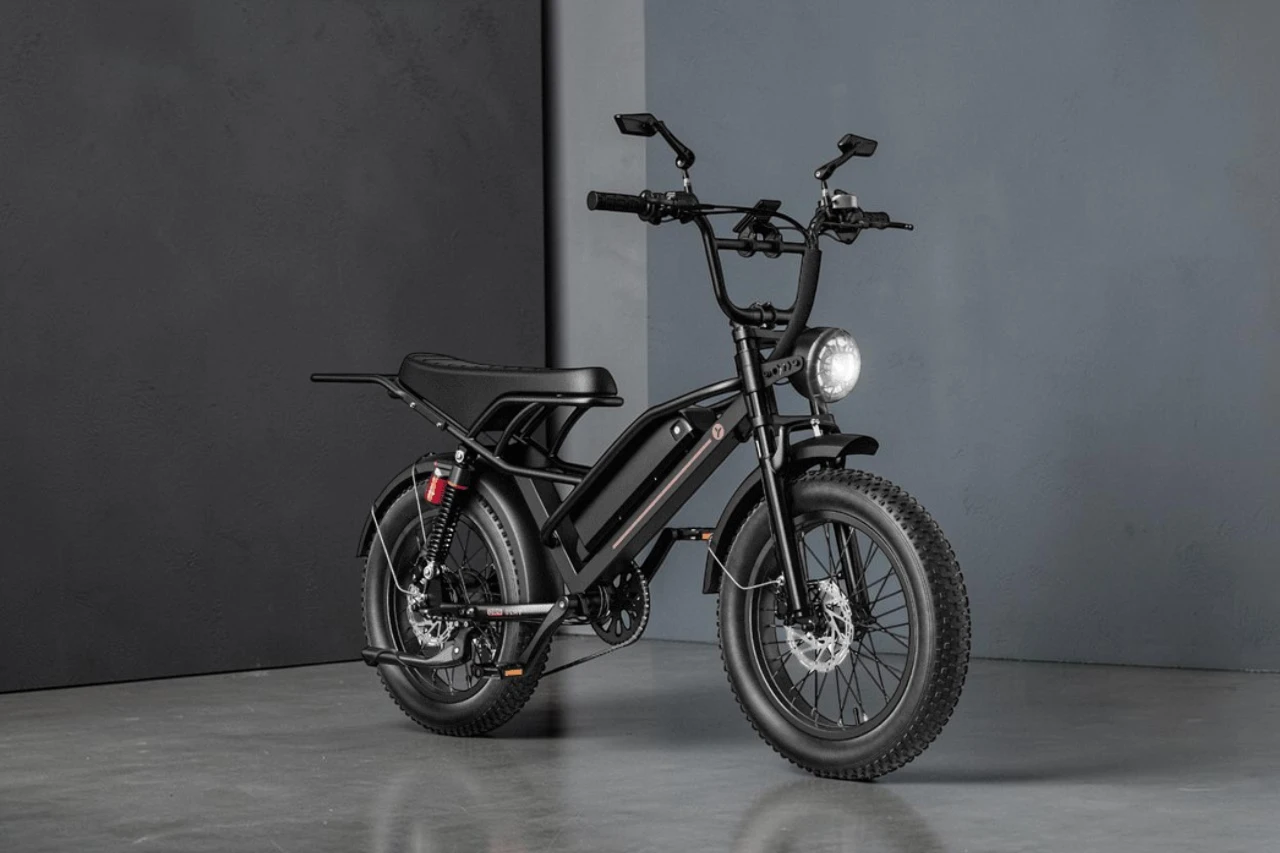
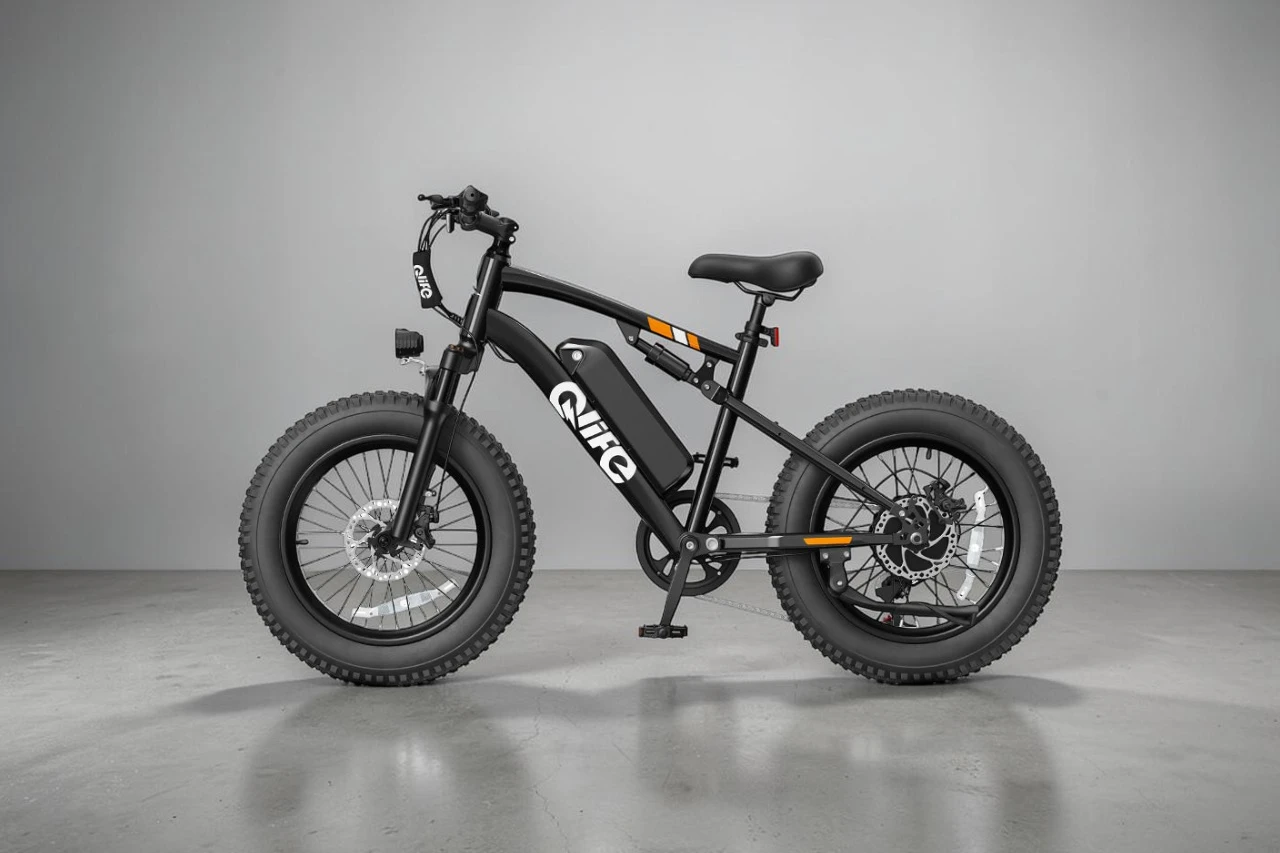
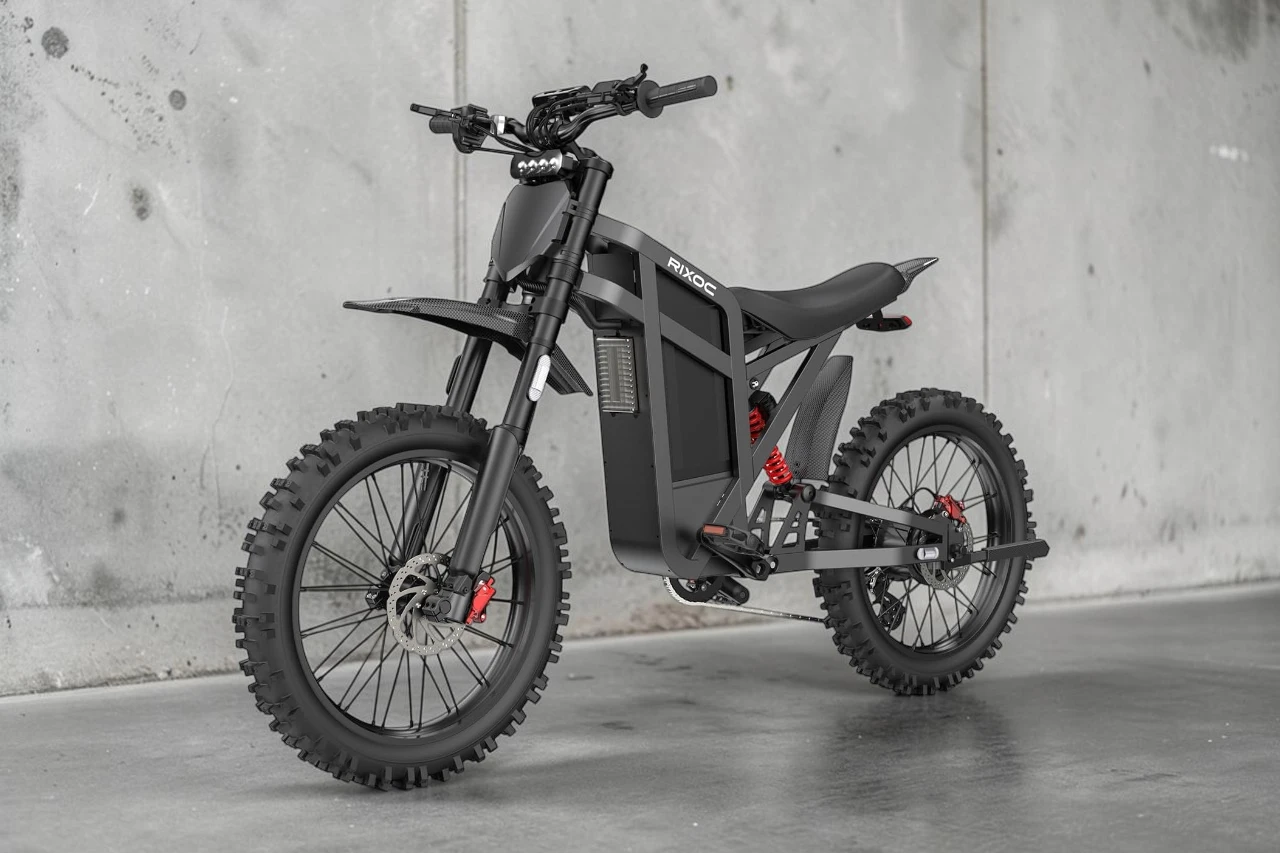
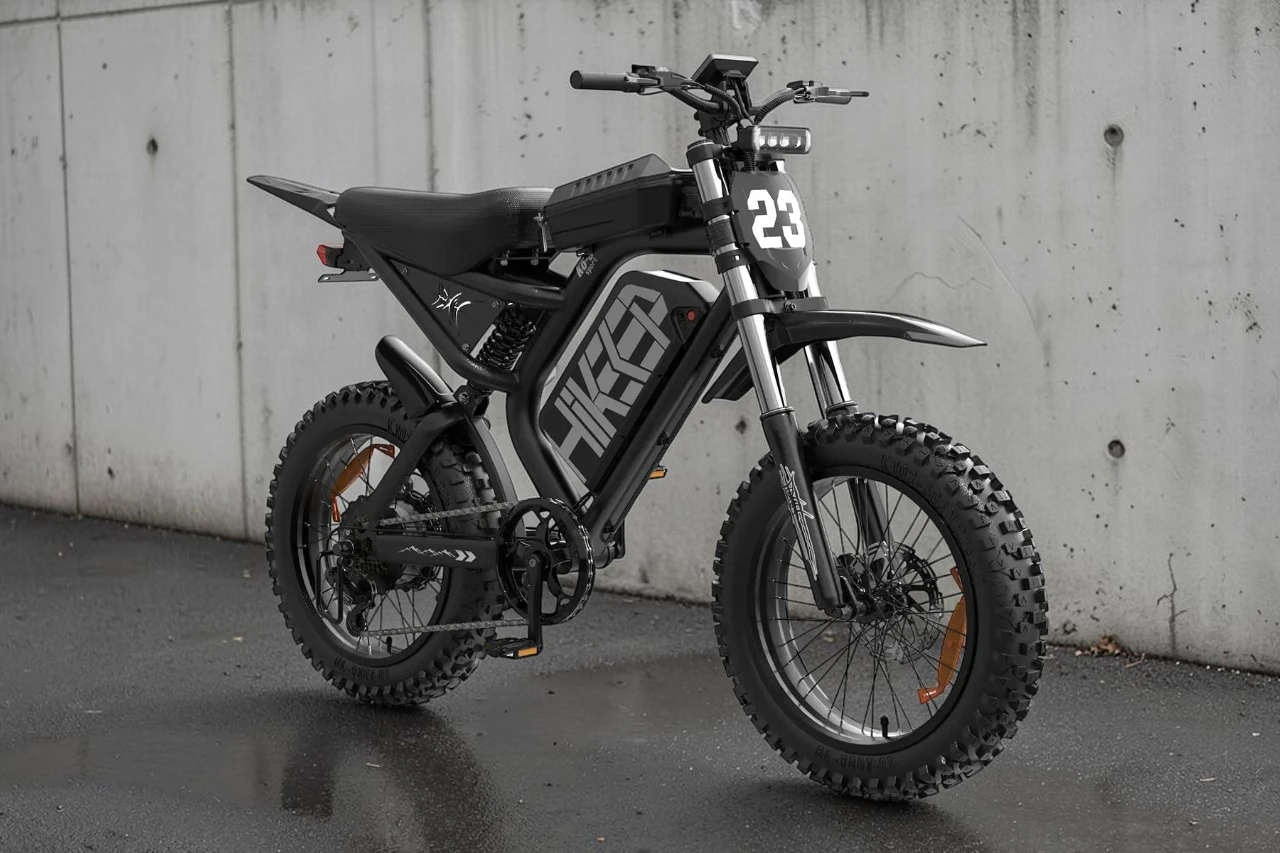
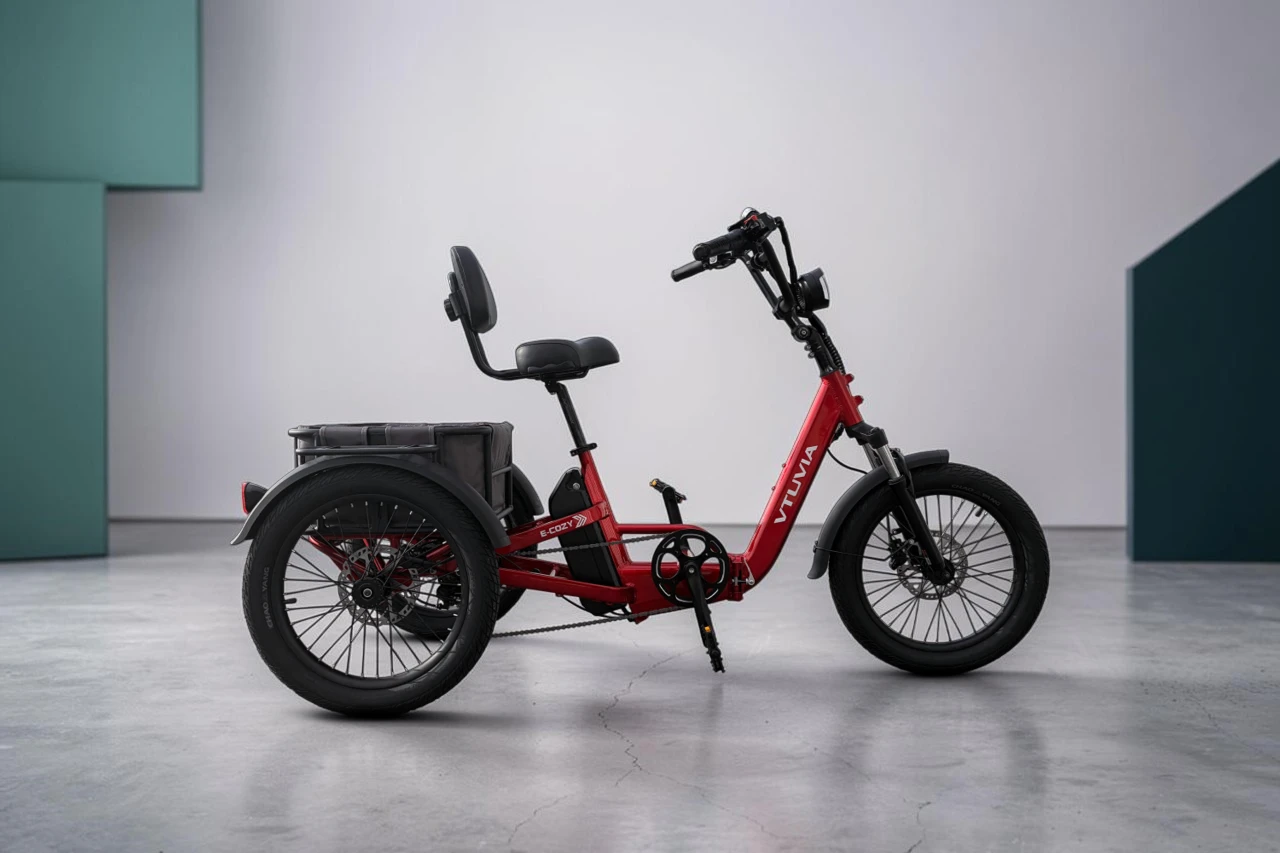
A useful electric bike review should tell you more than the motor wattage and advertised range. It should explain how the bike fits, how its assistance behaves, what affects its real-world range, how confidently it stops, and which ownership trade-offs may matter after the first ride.
GoEBikeLife publishes hands-on evaluations, contributor-tested reviews, and research-based product analysis. We distinguish measured observations from manufacturer claims so readers can judge the evidence behind each conclusion. The goal is not to make every bike sound impressive; it is to help you decide whether a specific model suits your body, route, budget, and expectations.
What You Can Expect From Our E-Bike Reviews
Decision-First Conclusions
We identify who a bike suits, who should skip it, and the alternatives worth comparing.
Evidence With Context
Test conditions, rider weight, terrain, assistance level, and evidence sources are included when available.
Benefits and Drawbacks
Comfort, power, and features are considered alongside weight, braking, service, fit, and long-term practicality.
No Inflated Range Claims
Advertised figures are treated as manufacturer claims unless we or a named contributor measured them.
Browse Electric Bike Reviews by Category
Begin with the category that matches your primary riding environment. Comparing similar bikes makes differences in fit, handling, range, and value easier to recognize.
Commuter E-Bike Reviews
Reviews focused on practical range, braking, lighting, fenders, racks, comfort, and reliability for repeated daily use.
City and Urban E-Bike Reviews
Evaluate upright comfort, maneuverability, visibility, controls, storage, and confidence on shorter city trips.
Step-Through E-Bike Reviews
Compare frame access, stand-over height, fit range, low-speed balance, comfort, and everyday usability.
Folding E-Bike Reviews
Look beyond the folding hinge to actual carry weight, folded dimensions, frame stiffness, trunk fit, and ride quality.
Fat-Tire E-Bike Reviews
Examine traction, cushioning, steering feel, motor support, total weight, efficiency, and loose-surface capability.
Cargo and Utility E-Bike Reviews
Focus on rated payload, rack design, stability, braking, frame stiffness, range under load, and useful accessories.
Electric Mountain Bike Reviews
Assess climbing support, suspension, drivetrain range, tires, braking, geometry, and control on uneven surfaces.
Moped-Style E-Bike Reviews
Consider acceleration, seating position, suspension, weight, pedaling ergonomics, braking, and local-use limitations.
Road E-Bike Reviews
Review weight, geometry, rolling efficiency, assistance feel, comfort, handling, and longer paved-road use.
How to Read Our Evidence Labels
We use the following evidence descriptions in new and substantially updated reviews. These labels prevent research-based analysis from being mistaken for a hands-on test.
Tested directly by GoEBikeLife
The bike was ridden or physically evaluated by our team. The review should state the rider, route, conditions, and measurements that support the conclusions.
Tested by a named contributor
A contributor supplied riding observations, photos, video, measurements, or test notes. Relevant conditions and limitations should be disclosed.
Analyzed without a direct ride test
The assessment uses product documentation, manuals, component information, retailer data, and other available evidence. Brand claims are not presented as our measurements.
Rechecked after publication
Important specifications, pricing, availability, alternatives, or ownership information were reviewed again. An update does not automatically mean the bike was retested.
What We Evaluate in an Electric Bike Review
The importance of each factor changes by bike type. A folding commuter and a cargo bike should not be judged by an identical priority list, but every review should address the issues that affect safety, fit, usability, and ownership.
| Review area | What we examine | Why it matters |
|---|---|---|
| Motor and assistance | Power delivery, pedal-assist response, throttle behavior, controller tuning, gearing, and hill support. | Headline wattage alone does not explain smoothness, control, climbing, or how natural the bike feels. |
| Battery and range | Battery capacity, assistance level, terrain, speed, rider and cargo weight, temperature, and charging details. | These conditions determine whether the bike can reliably complete the rider’s actual route. |
| Braking and control | Brake type, lever feel, tire grip, steering, frame stability, lighting, and predictable motor engagement. | A fast or heavy bike needs controls and braking appropriate for its intended speed and load. |
| Fit and comfort | Rider-height guidance, stand-over height, saddle range, reach, posture, contact points, and suspension. | A poor fit can make an otherwise capable e-bike uncomfortable or difficult to control. |
| Build and practicality | Bike weight, payload, frame and hinge design, accessories, assembly, storage, transport, and service access. | Ownership friction often becomes more important than an extra feature after the first few weeks. |
| Value and support | Component choices, warranty terms, replacement battery availability, customer support, and alternatives. | The lowest price is not good value if essential parts or reliable assistance are difficult to obtain. |
How to Use These Reviews
- Choose one categoryStart with the bike type that matches your main route and storage needs.
- Shortlist two or three modelsCompare bikes built for similar jobs instead of unrelated styles.
- Confirm rider fitCheck stand-over height, reach, saddle adjustment, payload, and total bike weight.
- Read the evidence levelSeparate measured observations, contributor notes, research, and manufacturer claims.
- Compare the drawbacksDecide which limitations you can accept, not just which feature list is longest.
- Verify current detailsRecheck price, warranty, specifications, availability, and local e-bike rules before buying.
Do You Need a Review or a Buying Guide?
Read individual reviews when you know the model
A model review is the right next step when you already have a shortlist and need detailed information about fit, motor behavior, range expectations, braking, components, drawbacks, and ownership.
Continue to the automatically updated Latest Electric Bike Reviews list immediately below this guide, or select a review category above.
Use a buying guide when the category is still unclear
If you are still deciding between commuter, folding, cargo, fat-tire, or another style, begin with the Find Your E-Bike guide.
If you want a broad comparison of current options, see our best electric bikes guide.
Editorial Independence and Review Limitations
Some bikes are purchased by GoEBikeLife, supplied temporarily, provided by brands, or evaluated through a contributor. Receiving a product does not guarantee a positive conclusion, and brands do not receive editorial control over the published verdict.
Important: Not every review is a hands-on test. When we have not ridden a bike, the article should identify the review as research-based. Specifications, prices, firmware, accessories, and warranty terms can change, so confirm current details with the manufacturer or retailer before purchasing. Learn more about the people behind the site on our About Us page.
Electric Bike Reviews FAQ
What should I look for in an electric bike review?
Look for clear test or research methods, rider-fit information, realistic range context, motor behavior, braking, bike weight, payload, warranty support, drawbacks, and comparisons with suitable alternatives. A specification summary alone is not a complete review.
Are all GoEBikeLife reviews based on hands-on testing?
No. GoEBikeLife publishes hands-on, contributor-tested, and research-based reviews. New and substantially updated pages should state the evidence level so readers can distinguish direct riding observations from documented product analysis.
Can advertised e-bike range be trusted?
Advertised range is usually measured under favorable conditions and should be treated as a reference rather than a guarantee. Rider weight, cargo, hills, speed, wind, temperature, tire pressure, assistance level, and battery age all affect real-world range.
Does a higher-watt motor always make an e-bike better?
No. Motor wattage does not describe controller tuning, acceleration smoothness, torque delivery, gearing, efficiency, braking, fit, or handling. The better motor system is the one that suits the bike’s load, terrain, speed, and intended use.
How many e-bike reviews should I read before buying?
For most buyers, two or three closely matched model reviews plus one relevant buying guide are more useful than reading many unrelated reviews. Compare the same factors across each bike and pay particular attention to fit and drawbacks.
How often should an electric bike review be updated?
A review should be rechecked when important specifications, pricing, availability, warranty terms, safety information, or competing models change. The original test date and later editorial updates should not be treated as the same event.
Affiliate disclosure: GoEBikeLife may earn a commission from qualifying purchases made through affiliate links, at no additional cost to the reader. Affiliate relationships do not change our stated review method or the need to disclose meaningful drawbacks.