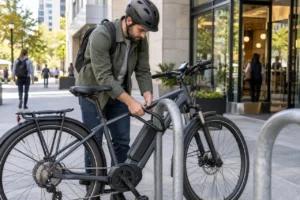
E-Bike Parking Security: How to Lock Your Bike Safely
Learn how to park and lock an e-bike safely with practical security tips for choosing locations, securing frames, protecting batteries, and preventing theft.

Ride more confidently with practical e-bike safety and legal guides. Learn about helmet use, visibility, braking, pre-ride checks, traffic awareness, battery safety, e-bike classes, and common riding rules. Because regulations differ by state and locality, our guides explain key requirements and identify what you should verify before riding.
Learn how to park and lock an e-bike safely with practical security tips for choosing locations, securing frames, protecting batteries, and preventing theft.

E-bike access in parks depends on the managing agency, trail type, and bike class. Learn how to check rules before riding.
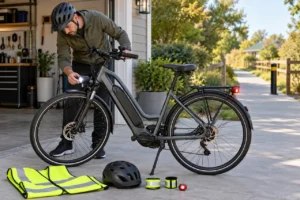
E-bike visibility depends on working lights, clean reflectors, visible clothing, and predictable riding habits. Use this checklist before every ride.
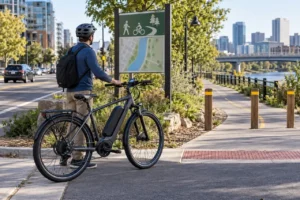
Class 3 e-bike rules vary across the U.S. Learn where these 28 mph pedal-assist bikes can ride and how to check local requirements.
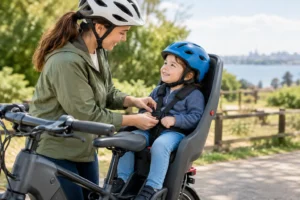
A practical e-bike child seat safety checklist covering compatibility, installation, harness adjustment, riding changes, and pre-ride checks.
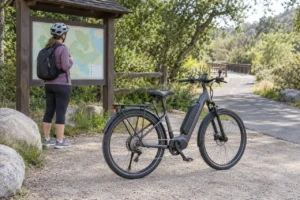
Local e-bike rules depend on your bike and route. Check official laws, access policies, speed limits, and current closures with the responsible authority.
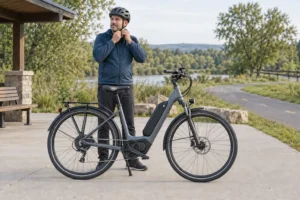
E-bike safety combines a sound bike, a fitted helmet, clear visibility, controlled speed, secure cargo, safe charging, and knowing when to stop riding.
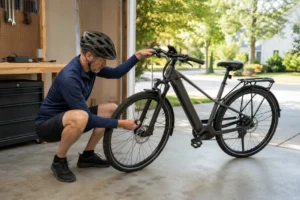
Check your e-bike’s wheels, brakes, tires, battery, controls, cargo, and rider gear in three minutes before entering traffic or a trail safely.

After an e-bike fire, stay clear, call 911, and never move the battery. Learn how to document damage, report the incident, and arrange safe disposal.
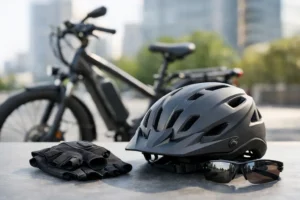
Ebike helmet essentials for safer rides: learn proper fit, key safety labels, care steps, and clear signs that a helmet needs replacement after a crash.
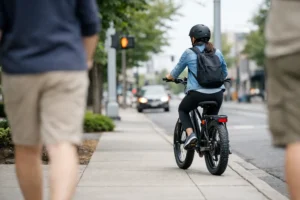
E-bike sidewalk laws vary by state, city, and property. Check local rules, yield to pedestrians, ride slowly, and dismount in crowded areas.
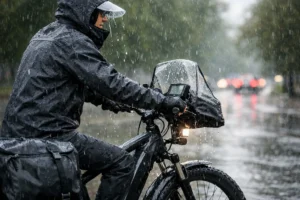
Practical ebike rain protection for wet rides: keep the battery, display, brakes, drivetrain, and rider safer before, during, and after rainy weather.
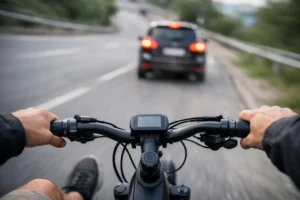
Learn how to respond to ebike brake failure, spot warning signs, and maintain e-bike brakes for safer stops on streets, paths, and hills. before rides.
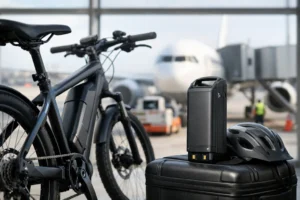
Most e-bike batteries exceed the 160 Wh passenger-flight limit. The bike may be accepted without its battery, subject to the airline’s rules.
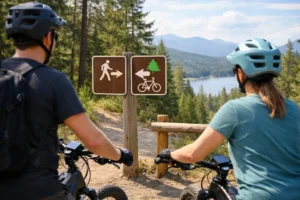
E-bike trail access depends on the bike’s class and the land manager’s current rules. Riders should verify restrictions and closures before every ride.

U.S. e-bike rules depend on federal product law, state vehicle law, local ordinances, and the agency managing each road, path, or trail before every ride.
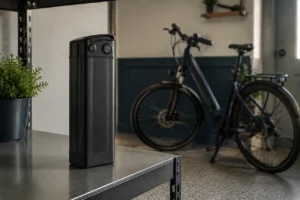
Store an e-bike battery at about 40% to 60% charge in a dry indoor area near 50°F to 77°F, and inspect it every 30 to 90 days during storage.
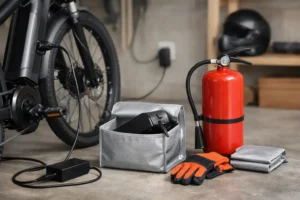
Electric bike fire safety starts with safe charging, storage, and inspection. Learn practical steps to protect your home, battery, and routine each day.

Ebike accident analysis helps riders identify crash causes, document key details, correct safety gaps, and decide when an e-bike needs service promptly.
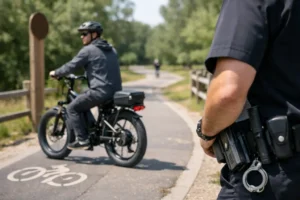
Are electric bikes legal on bike paths? Learn how e-bike class, speed, trail signs, and local rules determine where you may legally ride in the US today.