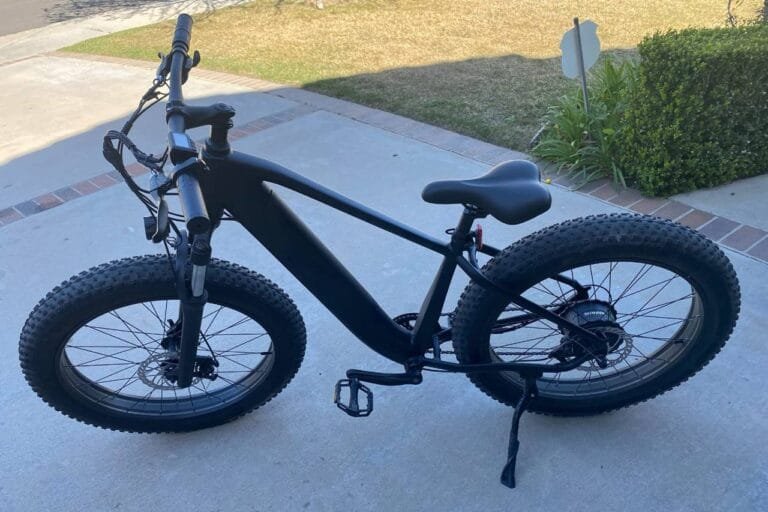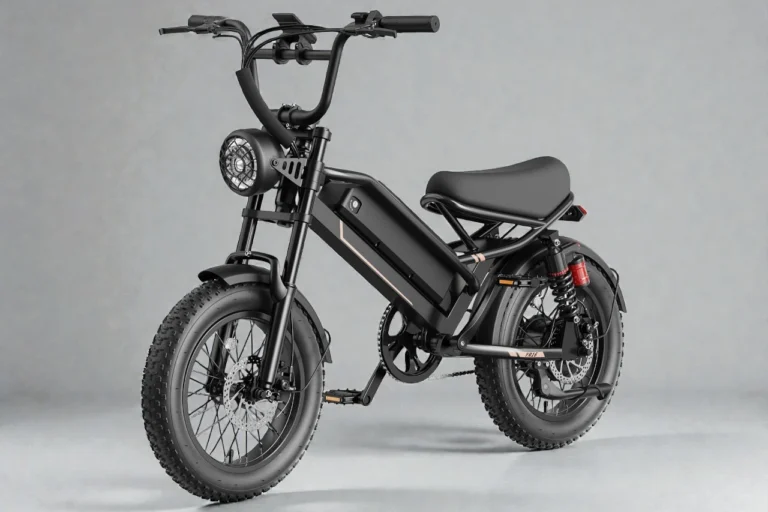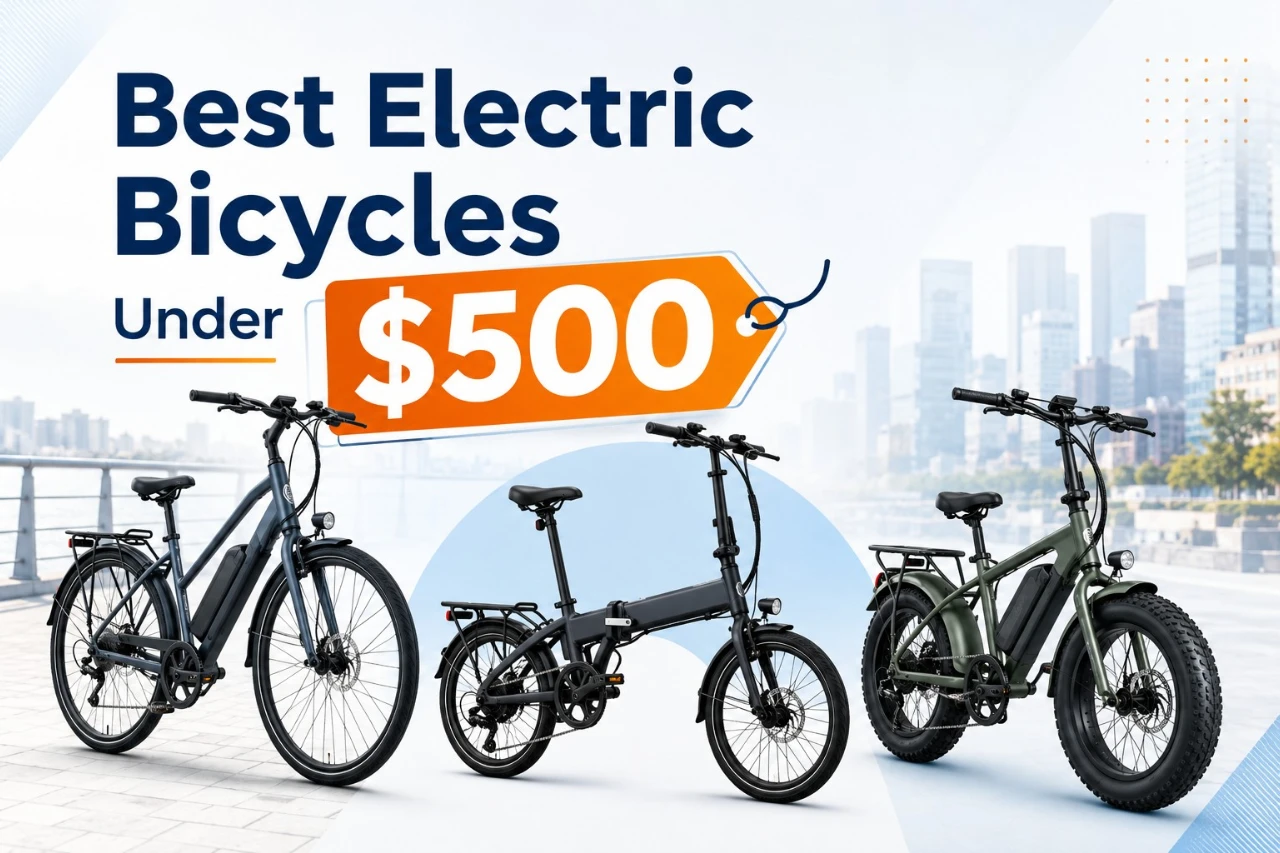
Finding a capable electric bike for under $500 takes real research. The sub-$500 category has grown quickly, and there are now several models worth considering for students, casual riders, short-distance commuters, and anyone testing e-bikes for the first time before committing to a larger budget.
The most important thing to know upfront: every e-bike in this price range involves tradeoffs, and your job as a buyer is to decide which tradeoffs matter least for your specific needs.
At this price point, expect 48V batteries in the 10–14Ah range, peak motor ratings (not continuous) of 500W to 1500W, claimed ranges of 25–65 miles that shrink significantly in real riding conditions, and components like brakes, suspension, and drivetrains that are functional but basic. After-sales support and warranty depth also vary widely between brands. None of these bikes are rated for aggressive trail riding or heavy daily use over long distances.
That said, for campus errands, neighborhood loops, light commuting under 15 miles per day, and recreational riding, several of these models deliver real, practical value. We evaluated six models across motor specs, battery capacity, comfort features, safety certifications, and buyer feedback to identify which ones hold up to realistic expectations.
Best Overall: Qlife Racer Electric Mountain Bike
Best Folding: Qlife Hunter Foldable Electric Bike
Best for Short Commutes: Funhang EB-C2 Step-Thru Electric Bike
Best Lightweight: ANCHEER Sunshine Electric Mountain Bike
Best Compact City E-Bike: Nexaglide FX20 Fat Tire Electric Bike
Best Value Alternative: Funhang EB-C1 City Cruiser Electric Bike
1. Qlife Racer Electric Mountain Bike

The Qlife Racer stands out in the sub-$500 field for combining a 21-speed drivetrain, a 48V 10.4Ah removable battery, and a UL 2849-certified electrical system in a package that buyers consistently find easy to assemble and fun to ride. The 27.5-inch wheels suit a range of terrain, and four riding modes (manual, pedal assist, throttle, and walking assist) give commuters and casual riders real flexibility.
Qlife lists the peak motor at 1200W and claims up to 55 miles in pedal-assist mode and 40 miles on throttle alone. Real-world range will be shorter depending on rider weight, terrain, and assist level. At 48.1 pounds, it is manageable but not light.
Buyers report reaching speeds well above the 20 MPH rating on flat roads, and the dual front suspension absorbs moderate bumps adequately. Assembly runs about 90% complete out of the box.
| Spec | Detail |
|---|---|
| Motor | Peak 1200W brushless |
| Battery | 48V 10.4Ah (499.2 Wh) |
| Claimed Range | Up to 55 miles (PAS) / 40 miles (throttle) |
| Speeds | 21 |
| Wheel Size | 27.5 x 2.1 inches |
| Brakes | Disc |
| Weight | 48.1 lbs |
| Warranty | 12 months |
Pros:
- 21-speed gearing handles hills and varied terrain
- UL 2849-certified battery
- Four riding modes including walking assist
- Well-rated by a solid base of buyers
- 90% pre-assembled
Cons:
- Claimed range depends heavily on conditions; expect less in real use
- Peak wattage is not the same as continuous output
- Front suspension only; no rear shock absorption
A good fit for riders who want a versatile e-bike for trails, hills, and mixed commuting at a budget price.
2. Qlife Hunter Foldable Electric Bike

The Qlife Hunter is the only folding model in this roundup, making it worth serious consideration for apartment dwellers, transit commuters, and anyone with limited storage. Its 20-inch fat tires (3.0 inches wide) give it stability on pavement and light gravel, and the integrated rear rack adds practical carrying capacity for daily use.
Qlife claims up to 65 miles of range from the 48V 13.5Ah battery and a climbing ability of 25% slopes via the 500W continuous (1000W peak) motor. A 7-speed Shimano gear system handles typical urban terrain. Buyers note the bike is heavier than expected, which is worth factoring in if you need to carry it up stairs.
| Spec | Detail |
|---|---|
| Motor | 500W continuous / 1000W peak |
| Battery | 48V 13.5Ah |
| Claimed Range | Up to 65 miles (PAS) |
| Speeds | 7 (Shimano) |
| Wheel Size | 20 x 3.0 inches (fat tire) |
| Frame | Foldable carbon steel |
| Max Load | 400 lbs |
| Warranty | 1 year |
| Preview | Product | Price | |
|---|---|---|---|

| Qlife Hunter Folding Electric Bikes for Adults, 1500W Peak 648Wh Ebike | 48V 13.5Ah… | $498.90 | View on Amazon |
Pros:
- Folds for storage in cars, apartments, or transit
- Larger 13.5Ah battery than most in this range
- Shimano gearing
- Heavy-duty rear rack included
- Supports up to 400 lbs rider weight
Cons:
- Heavier than typical folding bikes
- Only 18 buyer reviews at time of writing; limited long-term feedback
- 20-inch wheels feel different from full-size e-bikes
Best for commuters who need to combine riding with public transit or have tight storage constraints.
3. Funhang EB-C2 Step-Thru Electric Bike

The Funhang EB-C2 is built around commuter convenience. The step-through frame makes mounting and dismounting easy, the adjustable stem and seat accommodate a wide height range (roughly 5’3″ to 6’1″), and included fenders plus a rear rack make it genuinely ready for daily errands out of the box.
The 48V 374.4Wh battery carries UL 2271 and UL 2849 certifications, which is a meaningful safety indicator in this price range. Claimed range is 40-50 miles in pedal-assist and 20-30 miles on throttle. At 62.8 pounds, it is one of the heavier options here. Buyers report a solid build, manageable assembly, and good hill-climbing ability for a 500W continuous motor.
| Spec | Detail |
|---|---|
| Motor | 500W continuous / 1000W peak |
| Battery | 48V 374.4Wh (UL 2271 + UL 2849 certified) |
| Claimed Range | 40-50 miles (PAS) / 20-30 miles (throttle) |
| Speeds | 7 |
| Wheel Size | 26 inches |
| Frame | Step-through carbon steel |
| Max Load | 300 lbs |
| Warranty | 1 year + lifetime tech support |
| Preview | Product | Price | |
|---|---|---|---|

| Funhang Electric Bike for Adults, 1000W Peak Ebike, 50Miles Step Thru Electric Bicycle… | $369.99 | View on Amazon |
Pros:
- Step-through frame suits riders who value easy mounting
- Dual safety certifications on battery and complete bike
- Fenders and rear rack included
- Adjustable stem and seat
- Large buyer review base with consistent positive feedback
Cons:
- 62.8 pounds is heavy for a commuter bike
- Throttle-only range is significantly less than PAS range
- Recommended height range excludes very short or very tall riders
A practical pick for riders who prioritize commuter features and certified safety over lightweight portability.
4. ANCHEER Sunshine Electric Mountain Bike
The ANCHEER Sunshine uses an aluminum alloy frame rather than the carbon steel found on most competitors in this range. That choice makes a real difference: aluminum frames tend to be lighter and more corrosion-resistant, which matters for long-term value. The bike carries UL 2849 compliance and comes with a 48V 374Wh removable battery and a 500W continuous (peak 750W) motor.
ANCHEER claims up to 55 miles on low pedal assist and a top speed of 20-22 MPH. The 21-speed drivetrain and lockable front suspension fork give riders more control on varied terrain. The lockable fork is an uncommon feature at this price; it lets riders switch between suspension and rigid modes for paved vs. rough surfaces.
| Spec | Detail |
|---|---|
| Motor | 500W continuous / 750W peak |
| Battery | 48V 374Wh |
| Claimed Range | Up to 55 miles (low PAS) |
| Speeds | 21 |
| Wheel Size | 26 inches |
| Frame | Aluminum alloy |
| Brakes | Front and rear disc |
| Warranty | 1 year + lifetime tech support |
| Preview | Product | Price | |
|---|---|---|---|

| ANCHEER Electric Bike for Adults, Electric Mountain Bike, 26″ Sunshine Ebike, Electric… | $399.99 $369.99 | View on Amazon |
Pros:
- Aluminum frame is lighter than carbon steel alternatives
- Lockable front suspension fork
- 21-speed gearing
- UL 2849 compliant
- Large established buyer base
Cons:
- Peak wattage (750W) is lower than several competitors
- Green colorway is the listed option; color choices may be limited
- Assembly requires careful attention to handlebar stem orientation per buyer reports
A good choice for riders who want a lighter frame and multi-terrain capability on a tight budget.
5. Nexaglide FX20 Fat Tire Electric Bike
The Nexaglide FX20 takes a different approach than the other bikes here. Its 20-inch fat tires (4.0 inches wide), moto-style frame, and 1500W continuous motor (in the listed configuration) push it toward the high-performance end of the sub-$500 range. It claims a top speed of 34 MPH and dual suspension front and rear.
These specs make it appeal to riders who want more speed and off-road capability. That said, the review base is relatively limited, and one buyer reported a broken component on arrival with difficulty reaching seller support. At this performance level, verifying seller responsiveness before purchasing is worth the extra effort.
| Spec | Detail |
|---|---|
| Motor | 1500W brushless (listed config) |
| Battery | 48V 20Ah |
| Claimed Range | Up to 47 miles (PAS) |
| Speeds | 7 |
| Wheel Size | 20 x 4.0 inches (fat tire) |
| Suspension | Dual (front and rear) |
| Brakes | Dual mechanical disc |
| Warranty | 12 months |
| Preview | Product | Price | |
|---|---|---|---|

| Nexaglide Electric Bike for Adults, 1500W E-Bike for Adults,3 Modes Electric Bike for… | $469.00 | View on Amazon |
Pros:
- Dual suspension for improved comfort on rough terrain
- Large 20Ah battery
- Fat tires handle sand, gravel, and light trails
- LCD display with full ride data
- 90% pre-assembled
Cons:
- Limited buyer feedback compared to other picks
- One reported support issue with no seller follow-through
- Higher motor power may not be legal for all local road classifications
- Heavier carbon steel frame
Suited for riders who want a capable off-road and city hybrid and are willing to verify local e-bike regulations for higher-speed models.
6. Funhang EB-C1 City Cruiser Electric Bike

The Funhang EB-C1 shares its core specs with the EB-C2 reviewed above (same 48V 374.4Wh battery, same 500W/1000W peak motor, same 7-speed drivetrain) but uses a traditional frame instead of a step-through design. It is currently one of the highest-ranked e-bikes in the Adult Electric Bicycles category on Amazon, which reflects a consistent record of positive buyer feedback.
Both UL 2271 (battery) and UL 2849 (full bike) certifications are present. Fenders and a rear rack are included. At 61.5 pounds, it is slightly lighter than the EB-C2. Buyers note easy assembly, smooth pedal assist, and a comfortable riding position, though some taller riders find the seat at its lowest setting still runs high.
| Spec | Detail |
|---|---|
| Motor | 500W continuous / 1000W peak |
| Battery | 48V 374.4Wh (UL 2271 + UL 2849) |
| Claimed Range | 40-50 miles (PAS) / 25-30 miles (electric) |
| Speeds | 7 |
| Wheel Size | 26 inches |
| Frame | High carbon steel |
| Max Load | 300 lbs |
| Warranty | 365 days + lifetime after-sales service |
| Preview | Product | Price | |
|---|---|---|---|

| Funhang Electric Bike for Adults, 26″ City Cruiser Ebike with 1000W Peak Motor, 20MPH… | $369.99 | View on Amazon |
Pros:
- Strong safety certification on battery and full bike
- Fenders and rear rack included standard
- 365-day warranty with lifetime after-sales support
- High buyer satisfaction across a large review base
- Slightly lighter than its step-through sibling
Cons:
- Traditional frame is less accessible than step-through for some riders
- Front brakes may need adjustment per some buyer reports
- Seat comfort may not suit riders with wider hip measurements
A reliable everyday commuter pick, especially for riders who prefer a traditional frame and want certified safety at this price.
Buying Guide
What to Know Before You Shop
Sub-$500 e-bikes can serve real daily needs. Setting accurate expectations first will save you frustration after purchase.
Motor power: Most bikes in this range list “peak” wattage, not continuous output. A “1200W peak” motor may run continuously at 500W or 600W. Peak watts matter for bursts (hills, starting from a stop), but continuous watts reflect sustained real-world performance. For flat commuting under 10 miles, 500W continuous is adequate.
Battery capacity: Battery size is listed in volts (V) and amp-hours (Ah). Multiply them to get watt-hours (Wh), which is the true measure of energy storage. A 48V 10.4Ah battery holds about 500Wh. More watt-hours means more potential range, all else being equal.
Claimed vs. realistic range: Manufacturers test range under ideal conditions (light rider, flat road, low assist). Expect 40-60% of the claimed PAS range in typical use. A bike claiming 55 miles may deliver 25-35 miles for a 180-pound rider on mixed terrain with moderate assist.
Safety certifications: Look for UL 2849 (full e-bike system) and UL 2271 (battery). These are meaningful indicators that the electrical system has been tested. Not every budget e-bike carries them.
Frame material: Aluminum frames are lighter and more corrosion-resistant than carbon steel. Carbon steel is heavier but less expensive to manufacture, which is why most sub-$500 bikes use it.
Brakes: Disc brakes (mechanical or hydraulic) are standard on most models here. They outperform rim brakes in wet conditions and under heavier loads. Mechanical disc brakes may need adjustment after delivery.
Budget E-Bike Buying Checklist
- Does the bike carry UL 2849 or equivalent safety certification?
- Is the battery removable for indoor charging?
- What is the actual continuous motor wattage (not just peak)?
- Does it include fenders and a rear rack, or will those cost extra?
- What is the weight, and can you lift or store it as needed?
- What does the warranty actually cover, and how responsive is the seller?
- Are replacement parts (tires, tubes, brake pads) standard sizes?
Who This Category Is For
Budget e-bikes fit well for students commuting on campus, riders covering 5-15 miles per day on mostly flat routes, and people testing e-bike commuting before investing more. They are less suited for heavy daily use, steep hilly terrain, or riders expecting low-maintenance ownership.
Frequently Asked Questions
What features matter most when choosing an entry-level electric bike for under $500?
Focus on battery certification (UL 2849), continuous motor wattage (not just peak), and practical commuter features like a rear rack and fenders.
A removable battery is also worth prioritizing, since it lets you charge indoors without moving the entire bike.
Disc brakes and a front suspension fork are standard expectations at this price.
What real-world speed and range can you realistically expect from a sub-$500 electric bike?
Most riders can expect 15-20 MPH in pedal-assist mode and 40-60% of the manufacturer’s claimed range under typical conditions.
A bike claiming 50 miles will likely deliver 20-30 miles for an average adult rider on varied terrain.
Throttle-only mode drains batteries significantly faster than pedal assist.
How do you tell if a budget electric bike’s battery and motor specs are trustworthy before buying?
Check for UL 2849 certification on the full bike and UL 2271 on the battery specifically.
Calculate the actual watt-hours (volts x amp-hours) to compare batteries across models rather than relying on claimed range alone.
Buyer reviews that mention real-world range after multiple charges are more reliable than manufacturer claims.
What safety, durability, and warranty red flags should you watch for with inexpensive e-bikes?
Avoid models with no stated safety certification or vague warranty terms. Watch for sellers with limited or no customer service contact information, and check whether reviews mention unresponsive support after purchase.
Also confirm that mechanical disc brakes are included rather than rim brakes, and that the frame weld quality looks consistent in product photos.
Are used or refurbished electric bikes a better value than new models in this price range?
Used e-bikes in the $300-$500 range can offer better component quality than new budget models, but battery health is the main risk.
Lithium batteries degrade with charge cycles, and a used battery may deliver significantly less range than advertised.
If buying used, ask for charge cycle data or test the range before committing.
New budget models at least come with a known battery history and a manufacturer warranty.
Should I buy a folding e-bike or full-size e-bike under $500?
Full-size bikes in this price range generally offer better range, stability, and component quality than folding models.
Folding e-bikes are worth considering if storage space or transit portability is your main priority, but expect further trade-offs in ride comfort and battery size at this price point.
GoEBikeLife publishes independent e-bike reviews, comparisons, and practical buying guides. Some links on this page are affiliate links. If you make a purchase through an eligible link, we may earn a commission at no additional cost to you.