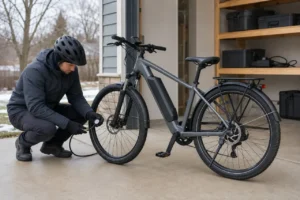
Winter E-Bike Maintenance Checklist: 10 Key Checks
This winter e-bike maintenance checklist covers battery care, tire pressure, brakes, salt removal, drivetrain cleaning, and safe seasonal storage.

Learn how e-bikes work and how to ride, charge, maintain, and store them safely. Our practical guides explain motors, batteries, controls, maintenance, riding techniques, troubleshooting, and everyday ownership in clear language—helping new and experienced riders avoid common mistakes and make informed decisions.
This winter e-bike maintenance checklist covers battery care, tire pressure, brakes, salt removal, drivetrain cleaning, and safe seasonal storage.
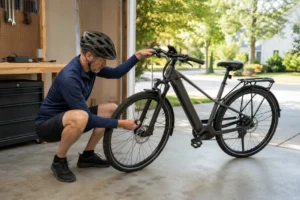
Check your e-bike’s wheels, brakes, tires, battery, controls, cargo, and rider gear in three minutes before entering traffic or a trail safely.
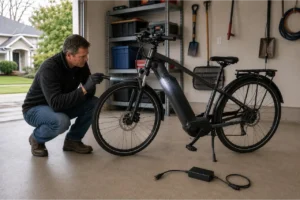
After e-bike water exposure, identify the severity, keep wet electrical parts off and unplugged, and know when the bike needs professional inspection.
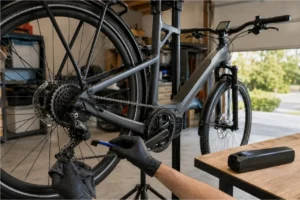
Clean an e-bike drivetrain safely with minimal water, careful degreasing, thorough drying, and precise chain lubrication that protects the brakes.
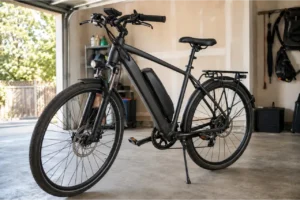
If your e-bike battery is swollen, stop riding and charging. Learn the immediate warning signs, safe response steps, and proper disposal options.
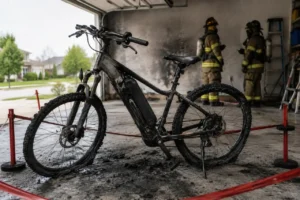
After an e-bike fire, stay clear, call 911, and never move the battery. Learn how to document damage, report the incident, and arrange safe disposal.
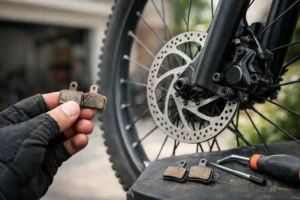
Replace e-bike brake pads at the maker’s wear limit or sooner if they are contaminated, damaged, grinding, or no longer provide reliable stopping power.
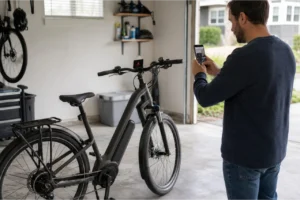
Ebike error codes vary by brand and system. Learn how to identify the warning, make safe external checks, and know when to stop riding or charging.

Class 1 e-bikes use pedal assist, while Class 2 models can use motor power without pedaling. Compare ride feel, access, safety, and rider fit.
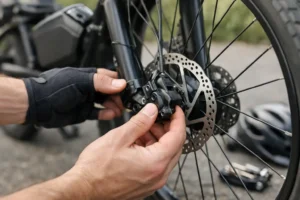
A five-minute ebike brake inspection checks lever feel, stopping force, pad wear, rotors, cables, hoses, and wheel security before every ride.
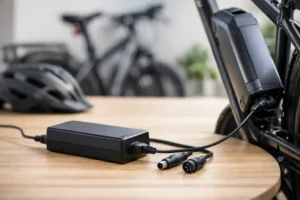
A compatible e-bike charger must match the battery’s required output voltage, approved current, connector, polarity, and manufacturer specifications.
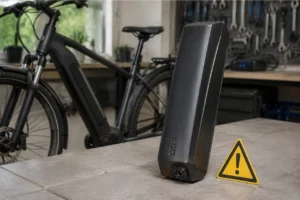
Learn the battery damage warning signs e-bike riders should never ignore, what to do next, and when to stop charging or riding for safety right away.
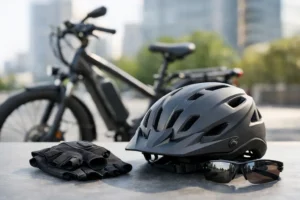
Ebike helmet essentials for safer rides: learn proper fit, key safety labels, care steps, and clear signs that a helmet needs replacement after a crash.
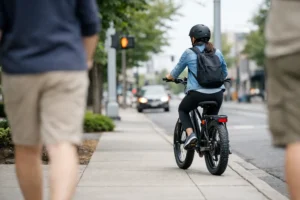
E-bike sidewalk laws vary by state, city, and property. Check local rules, yield to pedestrians, ride slowly, and dismount in crowded areas.
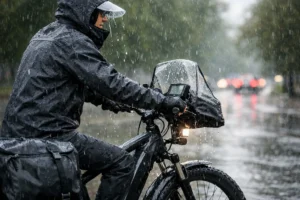
Practical ebike rain protection for wet rides: keep the battery, display, brakes, drivetrain, and rider safer before, during, and after rainy weather.
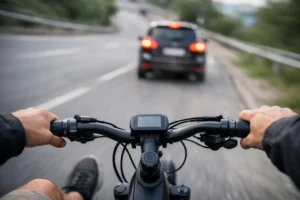
Learn how to respond to ebike brake failure, spot warning signs, and maintain e-bike brakes for safer stops on streets, paths, and hills. before rides.
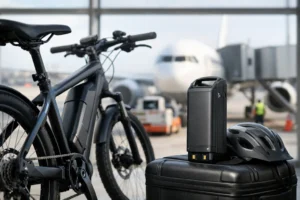
Most e-bike batteries exceed the 160 Wh passenger-flight limit. The bike may be accepted without its battery, subject to the airline’s rules.

E-bike trail access depends on the bike’s class and the land manager’s current rules. Riders should verify restrictions and closures before every ride.
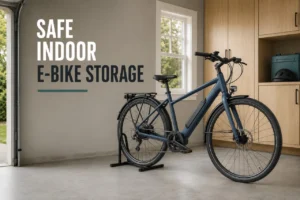
Safe indoor ebike storage starts with a dry location, proper battery handling, clear exits, and a stable bike setup. Follow practical steps for home safety.
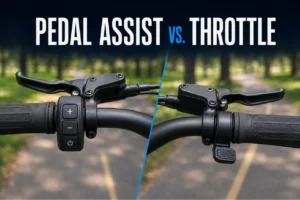
Learn how pedal assist throttle controls differ, when to use each safely, and how settings affect starts, range, handling, and local e-bike access rules.