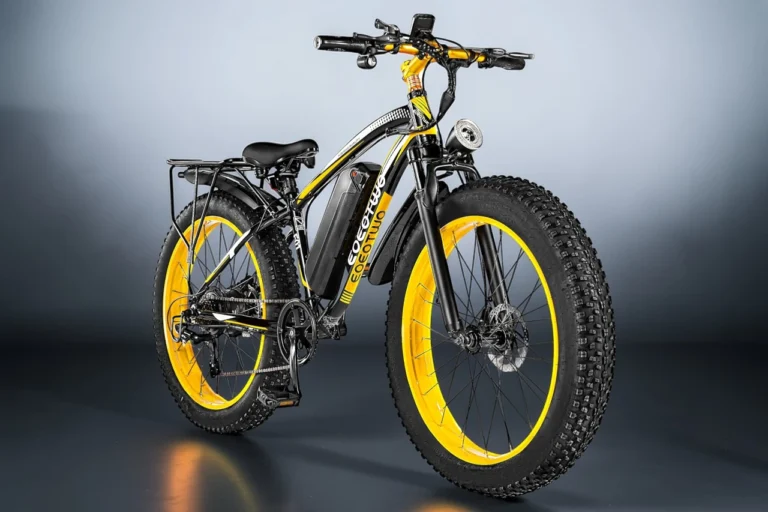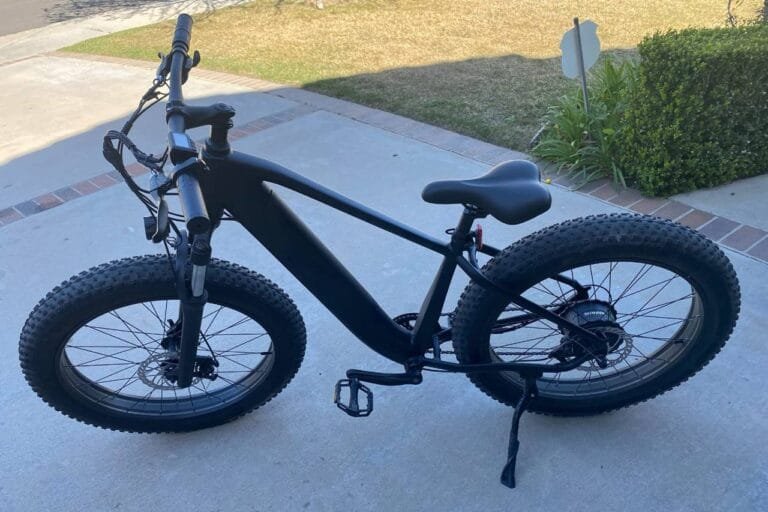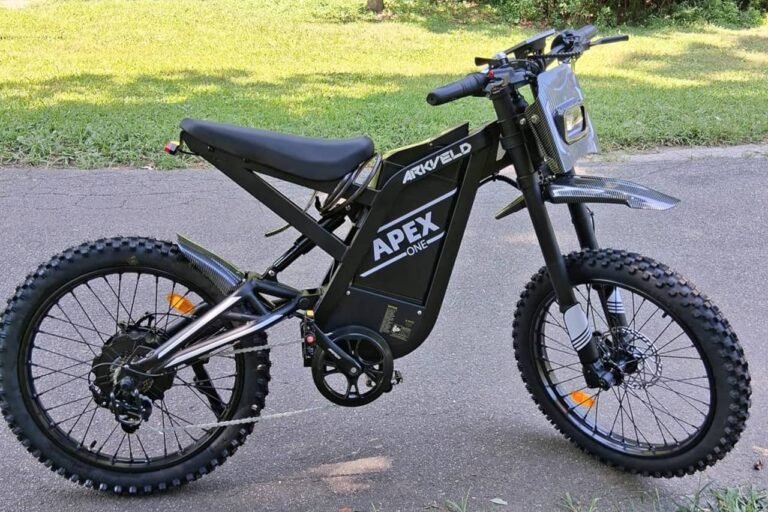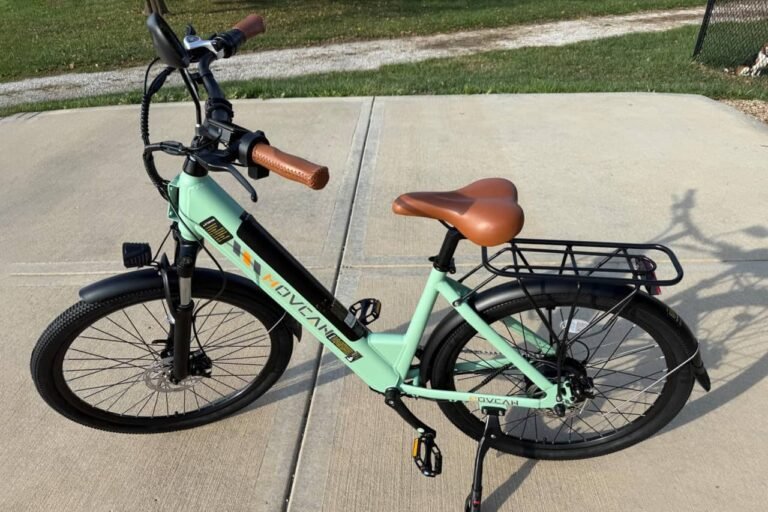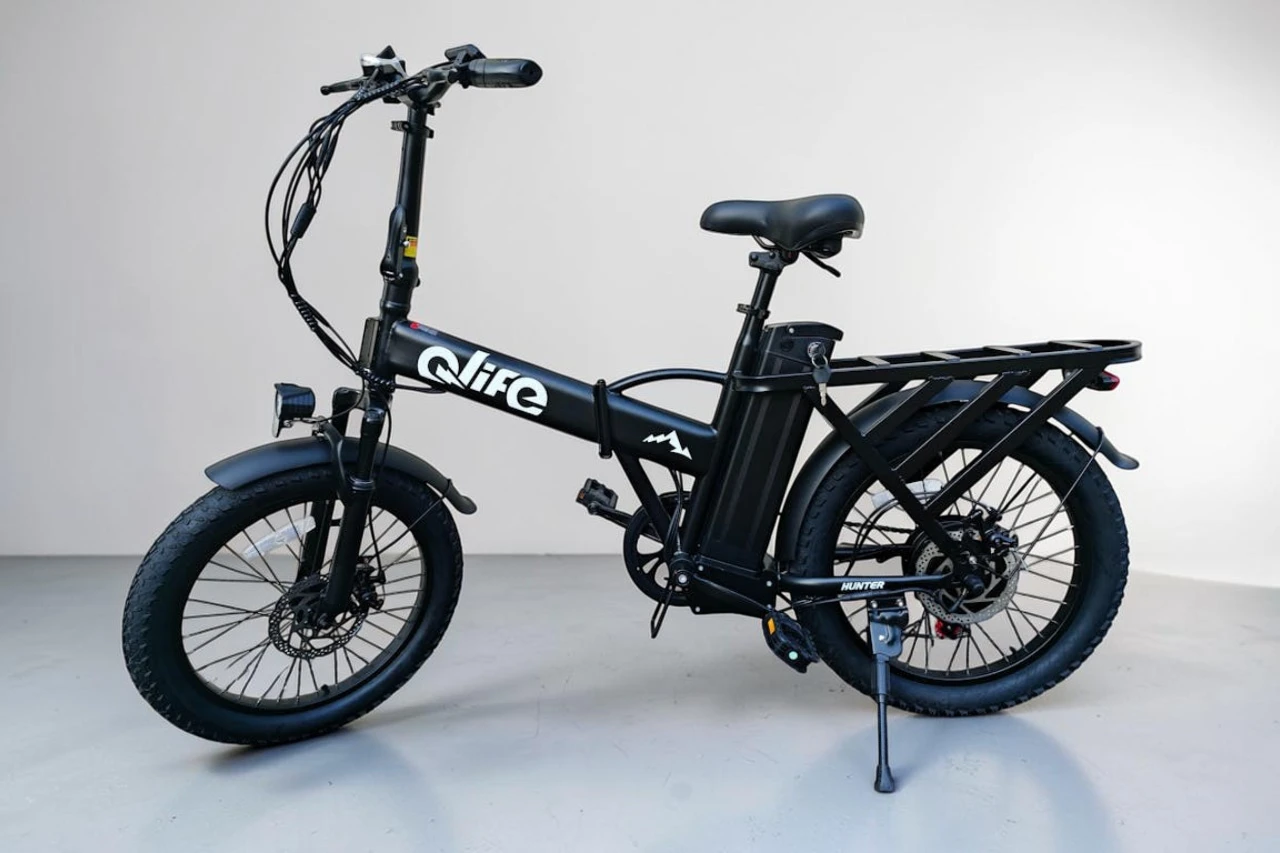
Folding e-bikes have carved out a real niche for riders who need flexibility without giving up motor power or cargo usefulness. The Qlife Hunter sits in that space as a fat tire folding option aimed at commuters, weekend riders, and anyone who needs to store a bike in a car trunk or a small apartment.
The Hunter’s combination of a 1200W peak motor, 400 lb load capacity, and a removable 648Wh battery makes it a more capable utility bike than most basic folding e-bikes at this price level. It is not the lightest folding option, and the 65-mile range claim deserves some realistic context, but the specifications point to a bike built for practical use rather than just short rides around a parking lot.
Early buyers have noted strong motor performance, solid build quality, and straightforward assembly. The bike also draws attention for its bright color options and its ability to handle hills without struggling.
Bottom Line
The Qlife Hunter is worth a close look for commuters, cargo haulers, and weekend riders who want a foldable fat tire e-bike with real motor muscle and practical carrying capacity.
It is not the right fit for someone expecting a featherweight folding bike or Tour-level rolling efficiency.

Qlife Hunter Folding Electric Bike Overview
Quick Verdict
The Hunter is a well-rounded folding fat tire e-bike built for riders who prioritize cargo capacity, motor strength, and terrain versatility over minimum weight. Based on the listed specifications, it fits urban commuters, errand riders, and weekend outdoor users better than it fits anyone seeking a true ultralight folding commuter. The folding frame adds real storage flexibility, though the 68 lb weight means it is better suited for car trunk storage than frequent manual carrying.
Compact Specifications Table
| Specification | Detail |
|---|---|
| Motor | 500W rated, 1200W peak |
| Max Torque | 80 Nm |
| Battery | 48V 13.5Ah (648Wh), removable |
| Claimed Range | Up to 65 miles (PAS-dependent) |
| Charging Time | 6–7 hours |
| Max Speed | 28 mph |
| Tires | 20″ x 3.0″ fat tires |
| Load Capacity | 400 lbs |
| Bike Weight | 68 lbs |
| Gearing | Shimano 7-speed |
| Pedal Assist | 5 levels |
| Brakes | Dual disc brakes |
| Suspension | Dual front suspension |
| Battery Protection | IPX5, BMS |
| Suggested Rider Height | 5’7″ to 6’1″ |
| Frame | Carbon steel, foldable |
| Wheel Size | 20 inches |
Who This Bike Fits Best
Best For
- Commuters who need to store a bike in a car trunk, office, or small apartment
- Riders who carry groceries, tools, or gear and need a rear rack with real load capacity
- Heavier riders looking for a 400 lb rated folding e-bike with motor support on hills
- Weekend riders who want a portable option for camping trips, road trips, or neighborhood exploring
- Riders who encounter mixed terrain including gravel, light trails, and city streets
Not Ideal For
- Anyone expecting a lightweight folding e-bike for frequent stair carrying or transit use
- Riders focused on long paved commutes where 20″ wheels may feel less efficient than larger commuter tires
- Those planning mostly high-speed throttle-heavy riding, where the 65-mile range estimate will drop significantly
- Riders shorter than 5’7″ or outside the recommended height range
- Buyers who need a pure road commuter with a slim, fast-rolling tire profile
Range And Battery Setup
Realistic Range Expectations
The claimed 65-mile range applies under favorable conditions, meaning low pedal assist levels, flat terrain, lighter rider weight, moderate speed, and minimal stops. In real-world use, expect a lower number. Throttle-heavy riding, hilly terrain, heavier loads, cold temperatures, and frequent stop-and-go patterns all reduce range noticeably.
A more realistic estimate for mixed urban riding at mid-assist levels would be in the 30 to 45 mile range, though lighter riders on flatter routes using lower assist could approach the upper end. Treat the 65-mile figure as a best-case ceiling rather than a daily expectation.
Charging, Removability, And Battery Protection
The 48V 13.5Ah battery produces 648Wh of capacity, which is a solid number for a folding e-bike in this class. It is removable, which means charging at a desk, office, or kitchen counter without moving the whole bike. Charging time runs 6 to 7 hours from a standard outlet.
The battery carries IPX5 water resistance protection and uses a BMS (Battery Management System) for thermal and energy safety. IPX5 handles rain and splashes but is not designed for submersion. The BMS adds a layer of protection against overcharging, overheating, and cell imbalance during regular use.
Motor Performance And Climbing Power
Acceleration And Urban Riding Feel
The 500W rated motor with 1200W peak output provides noticeably stronger acceleration than entry-level 250W or 350W folding e-bikes. In city riding, that peak power translates to confident starts at intersections and easier merging into traffic flow. The 80 Nm of torque supports smooth pedal assist response rather than a jerky surge, based on the listed specifications.
With five pedal assist levels and Shimano 7-speed gearing, riders can dial in the right combination for flat streets, light climbs, or casual cruising without burning through battery unnecessarily.
What The Hill Claim Likely Means
The listed 25-degree maximum slope is a steep grade by most road standards. Most urban inclines and residential hills fall well below that threshold, so the Hunter should handle typical city and suburban climbing without significant strain.
That said, sustained steep climbing at higher speeds will draw more from the battery and will produce more heat than flat riding. Heavier riders and those carrying loaded cargo should factor in a reduction in both climbing ease and range on hilly routes. The 25-degree figure reflects peak capability, not comfortable sustained performance under all load conditions.
Ride Comfort And Everyday Control
20-Inch Fat Tires And Stability
The 20″ x 3.0″ fat tires offer a wider contact patch than standard narrow tires, which adds grip on loose gravel, wet pavement, and uneven surfaces. They also absorb minor road vibration passively, reducing the harshness that thinner tires pass through to the rider.
The trade-off is rolling resistance. Fat tires on 20″ wheels are more stable and forgiving than narrow options, but they roll with more effort on long paved stretches compared to larger 26″ or 27.5″ commuter tires. For short to mid-distance urban rides and mixed terrain, the stability benefit outweighs the efficiency compromise for most riders.
Dual Front Suspension And Braking Confidence
Front suspension softens the impact from curb cuts, potholes, and rough paths, which matters more on a 20″ wheel bike since smaller wheels feel surface irregularities more sharply. It is not a full-suspension setup, so rougher trail riding will still transfer some vibration through the rear.
Dual disc brakes provide reliable stopping power at the Hunter’s 28 mph top speed. Disc brakes perform more consistently in wet conditions than rim brakes, which is relevant for commuting through rain. The combination of fat tire traction, front suspension, and disc braking creates a reasonably confident control setup for urban and mixed-terrain riding.
Folding Design And Utility Practicality
Storage, Trunk Use, And Portability Limits
The folding frame is a genuine advantage for anyone who needs to combine e-bike riding with car travel, camping trips, or compact home storage. The Hunter folds down to fit in most SUV trunks and truck cabs, making it practical for road trips or getting to a trail that is too far to ride to directly.
At 68 lbs, it is not a bike to carry up multiple flights of stairs repeatedly. It folds, but moving it requires real effort. Think of portability in terms of vehicle storage and ground-level rolling, not frequent lifting and carrying.
Rear Rack And 400-lb Load Capacity
The integrated rear rack is one of the Hunter’s more practical features for daily use. It handles groceries, a bag, camping accessories, or lightweight gear without requiring a separate add-on. Combined with the 400 lb total load capacity, the bike suits heavier riders or those who regularly carry cargo.
That 400 lb figure covers combined rider and cargo weight, so riders should calculate their own weight plus expected load when evaluating real-world carrying headroom. The rear rack adds everyday utility that makes this more than a pure leisure bike.
Pros & Cons
Pros:
- The 1200W peak motor gives stronger acceleration and hill support than most basic folding e-bikes in this class
- The 48V 13.5Ah removable 648Wh battery is practical for home or office charging without moving the whole bike
- The 20″ x 3.0″ fat tires improve comfort, traction, and stability across pavement, gravel, and light trails
- A 400 lb load capacity makes the Hunter more useful for heavier riders or anyone hauling cargo regularly
- The folding frame suits car trunk storage, camping trips, weekend travel, and compact apartment storage
- Shimano 7-speed gearing combined with 5-level pedal assist gives riders meaningful control across different riding situations
Cons:
- At 68 lbs, this is not a lightweight folding e-bike and requires real effort to carry up stairs or lift frequently
- The claimed 65-mile range is likely achievable only under low-assist, flat-terrain, lighter-load conditions
- The 20″ fat tire setup is stable and compact but does not roll as efficiently as larger commuter wheels on long paved routes
- The 28 mph top speed exceeds Class 2 limits in many areas, so riders should check local e-bike regulations before using full speed
Customer Reviews
What Buyers Commonly Like
Early buyers consistently point to strong motor performance, with several noting the bike handles hills without hesitation. Assembly feedback is generally positive, with most riders finding the setup straightforward, though aligning a folding handlebar stem requires some patience. Battery life draws favorable comments, with multiple riders noting they have not come close to depleting it during regular use.
Delivery speed has also earned mention, with at least one buyer noting early arrival. The build quality receives praise, particularly from first-time e-bike owners who found the experience better than expected. Speed and ease of riding come up repeatedly as standout positives.
Patterns To Keep In Mind
The review pool is still relatively small, which means the current rating reflects a limited sample. Most feedback leans positive, but buyers should note that long-term durability data is not yet available. No reviews specifically address range testing under varied conditions, so the 65-mile claim has not been validated in buyer feedback at this stage. First impressions dominate the current feedback, which is worth keeping in mind when weighing confidence in the product.
Conclusion
Who Should Choose It Over Other E-Bike Styles
A rider choosing between the Hunter and a lightweight folding e-bike should lean toward the Hunter if cargo capacity, motor strength, and terrain flexibility matter more than minimum weight. Those who want a standard full-size commuter e-bike may find better rolling efficiency on long paved routes, but would give up the folding format. Buyers looking at larger fat tire e-bikes will get more suspension travel and a more planted feel on rough trails, but lose the compact folding advantage.
The Hunter fits the middle ground: a folding bike that does not sacrifice too much practical capability for the sake of its compact design.
Final Recommendation
Based on the listed specifications and buyer feedback, the Hunter is a capable folding fat tire e-bike for commuters, cargo riders, and weekend travelers who need vehicle-portable storage and confident motor support on hills. It is not the right pick for anyone prioritizing low weight or maximum paved-road efficiency.
For riders who need a foldable bike that can handle mixed terrain, carry a load, and fit in a trunk, the Hunter delivers a solid combination of features at a competitive price point.
| Preview | Product | Price | |
|---|---|---|---|

| Qlife Hunter Folding Electric Bikes for Adults, 1500W Peak 648Wh Ebike | 48V 13.5Ah… | View on Amazon |
Frequently Asked Questions
Is the Qlife Hunter Folding Electric Bike good for commuting?
The Hunter suits commuters who store their bike in a car, office space, or small apartment, thanks to its folding frame and rear rack.
The 500W rated motor and fat tires handle mixed urban terrain well, though the 68 lb weight means it is not the best option for commutes that require frequent carrying or transit use.
How fast does the Qlife Hunter go?
Based on the listed specifications, the Hunter reaches a top speed of 28 mph.
Riders should check their local e-bike classification rules before riding at full speed, as 28 mph exceeds Class 2 limits in many U.S. jurisdictions.
How far can the Qlife Hunter ride on one charge?
The claimed maximum range is 65 miles, but that figure applies under low-assist, flat-terrain, and lighter-load conditions.
In typical mixed urban riding with mid-level assist, a more realistic estimate falls in the 30 to 45 mile range depending on rider weight, speed, terrain, and cargo.
Is the Qlife Hunter easy to fold and carry?
The frame folds and fits in most SUV trunks and truck cabs, making it practical for vehicle storage and road trips.
At 68 lbs, it is not easy to carry up stairs repeatedly, so portability is best understood as vehicle-friendly storage rather than true lightweight carrying convenience.
Is the Qlife Hunter good for hills?
The 1200W peak motor and 80 Nm of torque give the Hunter strong hill-climbing ability, with a listed maximum slope of 25 degrees.
Most residential and urban hills fall well below that threshold, so the bike handles typical city and suburban grades without significant strain.
Is the Qlife Hunter good for camping or road trips?
The folding design and rear rack make the Hunter a practical choice for camping and road trips where the bike rides in a vehicle and gets used on arrival.
The fat tires handle light trails and gravel paths, and the rear rack carries gear or supplies. The 68 lb weight is worth planning for when loading and unloading at a campsite.
GoEBikeLife publishes independent e-bike reviews, comparisons, and practical buying guides. Some links on this page are affiliate links. If you make a purchase through an eligible link, we may earn a commission at no additional cost to you.