
How to Read E-Bike Battery Specs: Wh, Volts, Amps and C-Rate
Learn how to read e-bike battery specs: Wh, volts, amps and C-rate—so you can cut through marketing claims, estimate real-world range and buy with confidence.

Learn how e-bike batteries work, what affects riding range, and how to charge and store them safely. Our guides cover battery capacity, charging habits, winter storage, lifespan, troubleshooting, and compatible replacements—helping you protect battery health, reduce premature wear, and handle common battery concerns with confidence.
Learn how to read e-bike battery specs: Wh, volts, amps and C-rate—so you can cut through marketing claims, estimate real-world range and buy with confidence.
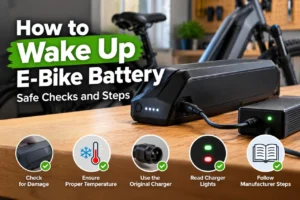
To wake a sleeping e-bike battery, inspect it for damage, let it reach a safe temperature, then use the original charger and the maker's approved steps.
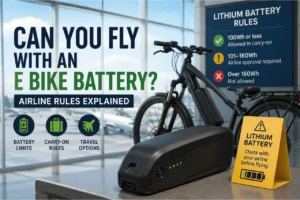
Most e-bike batteries exceed airline lithium battery limits. Riders should check Wh ratings, airline rules, and safer travel options before flying.

Learn how to store your e-bike battery for winter: ideal charge, safe storage, monthly checks, and a spring wake-up that protects range and extends life.
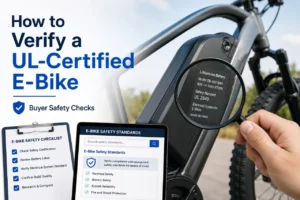
To verify a UL-certified e-bike, check UL Product iQ, match the exact model number, confirm the standard, and review the physical UL mark before purchase.

E-bike rebates vary by location and may require approval before purchase. Check income limits, eligible bikes, retailers, and funding before you buy.

Your ebike battery maintenance checklist: balancing, safe charging, ideal temps, and storage. Prevent range fade and ride worry-free.
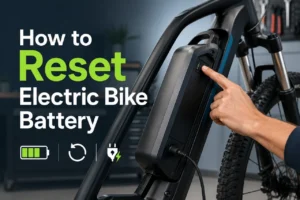
An e-bike battery reset may clear minor BMS lockouts, but damaged, hot, swollen, or water-exposed batteries need professional support first.

Unsure about UL certified batteries for ebikes? Learn how they ensure safer rides and longer life—read now!