The RPINT E500 sits in a crowded market of moped-style fat-tire electric bikes, and deciding whether it belongs in your garage or on your commute route takes more than reading the Amazon listing. This RPINT E500 electric bike review breaks down what the specs actually mean for everyday riders, where the bike delivers, and where you should manage your expectations before buying.
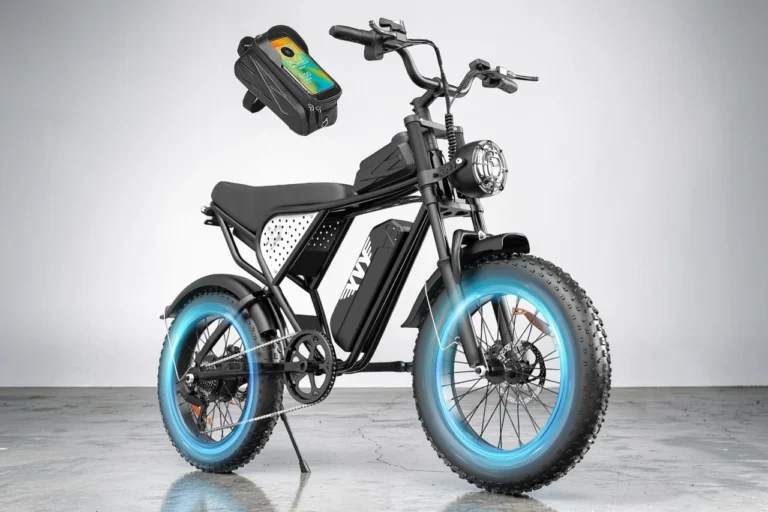
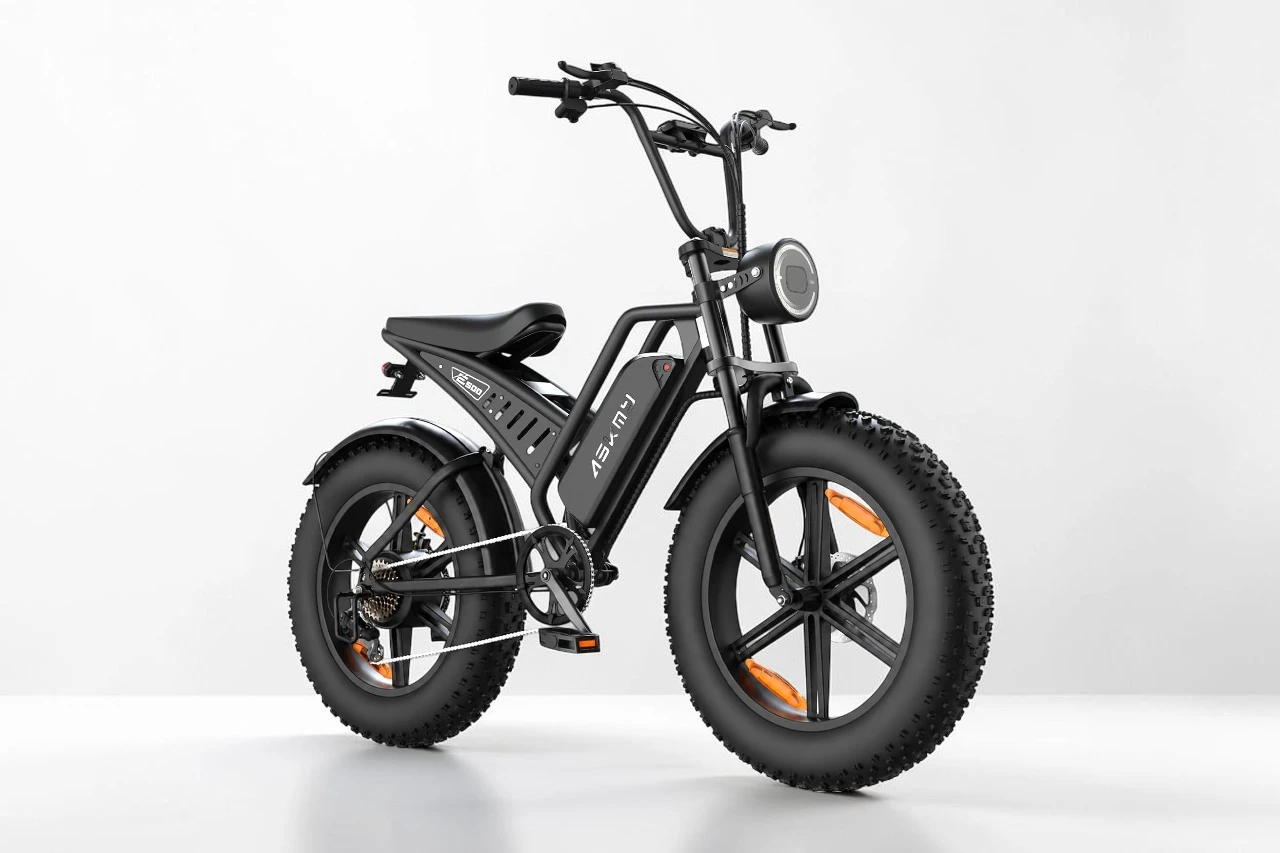
The E500 is a 20-inch moped-style electric bicycle with a 500W rated rear-hub brushless motor, a 1500W peak output claim, and a 48V 15Ah removable lithium-ion battery. It targets US adults who want motor-assisted commuting, casual trail use, or recreational riding without spending on a premium brand. The moped-style frame, fat tires, and dual suspension make it visually appealing and comfortable on paper.
The main trade-offs worth knowing upfront: the bike weighs approximately 88 pounds, uses mechanical rather than hydraulic disc brakes, and carries seller-provided range and climbing figures that real-world conditions will likely reduce. If those limitations fit your use case, the E500 offers meaningful value. If they don’t, this review will help you identify a better fit.

RPINT E500 Electric Bike Review Overview
Quick Verdict
The RPINT E500 is a competitively priced moped-style fat-tire e-bike that suits riders looking for motor-assisted city commuting or casual riding on mixed terrain. The large battery, dual suspension, removable battery design, and 330-pound load capacity are genuine strengths. The 88-pound weight, mechanical disc brakes, and unverified range and climbing claims are real limitations that buyers should factor in before purchasing.
Rating Summary
| Category | Score |
|---|---|
| Motor Performance | 4/5 |
| Battery & Range | 4/5 |
| Comfort & Suspension | 4/5 |
| Braking System | 3/5 |
| Build Quality | 3.5/5 |
| Value For Money | 4/5 |
| Portability | 2.5/5 |
| Overall | 4/5 |
The bike earns a solid 4 out of 5 for its price point. It does not aim at premium buyers, and it should not be judged by premium standards. Within its category, it delivers enough to be worth considering for the right buyer.
Who This Bike Fits Best
Who Should Buy It
The E500 makes the most sense for a specific type of buyer. It is worth considering if you:
- Want a moped-style fat-tire e-bike for city commuting or flat-to-moderate terrain
- Prioritize motor assistance over pedaling efficiency
- Need a 330-pound load capacity that many lighter e-bikes cannot match
- Prefer a removable battery you can charge indoors without dragging the whole bike
- Plan to store the bike in a garage or shed rather than carry it upstairs
- Are comfortable doing basic mechanical maintenance or have a local bike shop nearby
- Want throttle-only riding without pedaling
From my experience putting around 300 miles on this as a city commuter, the ride is comfortable and smooth for everyday use. It handles light off-road trails reasonably well.
Who Should Skip It
This bike is likely the wrong fit if you:
- Need to carry or lift the bike frequently, since 88 pounds is a significant barrier
- Expect hydraulic disc brakes with low-maintenance stopping power
- Want a bike optimized for high-cadence pedaling with road or gravel geometry
- Rely on an established dealer network for service and warranty support
- Need confirmed waterproofing rather than a seller-claimed IPX4 rating
- Plan to ride long steep climbs and treat the 35-degree claim as a reliable baseline
Key Specifications
| Specification | Detail |
|---|---|
| Motor | 500W rated rear-hub brushless motor, 1500W peak (manufacturer claim) |
| Battery | 48V 15Ah lithium-ion, approximately 720Wh capacity |
| Claimed PAS Range | 40 to 60 miles (manufacturer claim) |
| Claimed Throttle-Only Range | 25 to 28 miles (manufacturer claim) |
| Charging Time | Approximately 5 to 6 hours with included 3A charger |
| Tire Size | 20 x 4-inch fat tires |
| Frame Material | High-carbon steel |
| Suspension | Front fork and rear shock absorber |
| Brakes | Front and rear mechanical disc brakes |
| Drivetrain | 7-speed mechanical, rear derailleur |
| Riding Modes | Pure Electric, Pedal Assist, Manual Bicycle |
| Display | 3-level LCD display |
| Lighting | LED headlight, rear warning light |
| Maximum Load | 330 pounds |
| Recommended Rider Height | 5 feet 4 inches to 6 feet 6 inches |
| Bike Weight | Approximately 88 pounds |
| Overall Length | 63 inches |
| Overall Height | 45 inches |
| Seat Height | 35 inches |
| Water Resistance | IPX4 (seller claim) |
| Safety Certifications | UL 2271 and UL 2849, validated by SGS (seller claim) |
| Speeds | 7 |
| Warranty | 90 days limited |
Compact Moped-Style Build And Rider Fit
Frame Dimensions And Riding Position
The E500 uses a high-carbon steel frame styled to resemble a moped rather than a traditional mountain bike. The 35-inch seat height, 63-inch overall length, and 45-inch overall height create an upright, relaxed riding position. That posture works well for city streets and casual paths, but it trades off the forward-leaning efficiency riders expect from a standard mountain bike. The faux leather seat and ergonomic sport design prioritize comfort over athletic performance.
This is not a bike built for spirited pedaling. The moped geometry places your body in a position better suited to motor-assisted cruising than sustained manual effort.
Weight Capacity And Height Range
The 330-pound maximum load capacity is a genuine advantage. Many competing e-bikes in this segment cap out closer to 265 to 300 pounds, so the E500 accommodates a wider range of riders. The manufacturer recommends a minimum rider height of 5 feet 4 inches, or approximately 164 centimeters, with the design suited for riders up to 6 feet 6 inches.
Worth noting: the 88-pound bike weight is a practical concern for anyone who needs to lift, store, or transport it regularly. This bike is best treated as a point-to-point commuter rather than a portable ride.
500W Rear-Hub Motor And Real Hill Expectations
How The 1500W Peak Claim Translates In Practice
The E500 uses a 500W rated rear-hub brushless motor with a manufacturer-claimed peak output of 1500W. In category terms, a 500W continuous rating is mid-range for moped-style e-bikes at this price point. The 1500W peak figure represents short-burst power drawn during hard acceleration or steep starts, not sustained output.
From real riding experience, the motor handles flat city streets and moderate inclines without noticeable strain. Speed mode settings on the throttle allow up to approximately 15 mph, 25 mph, and 35 mph in the three power levels, based on direct riding observations. The motor is quiet and pulls smoothly from a stop.
What To Expect From The Claimed 35-Degree Climbing Ability
The manufacturer claims the E500 can climb slopes up to 35 degrees. That is an aggressive figure and should be read cautiously. A 35-degree slope is steep terrain that most riders will rarely encounter on a commute or casual trail. Independent testing of this specific claim does not exist at this time.
A more practical expectation: the motor handles moderate urban inclines and light trail climbs comfortably at lower pedal-assist levels. Sustained steep climbing will draw heavier current, which shortens range and increases heat in the motor and battery. Riders planning significant hill use should test the bike on their specific local terrain rather than rely on the listing claim as a performance guarantee.
48V 15Ah Removable Battery And Real-World Range
Charging Convenience And Timing
The 48V 15Ah battery provides approximately 720 watt-hours of capacity. The removable design is a practical feature. You can pull the battery off the bike and carry it inside for charging, which matters for apartment dwellers or anyone without outdoor power access. The included 3A charger brings the battery from empty to full in the manufacturer-estimated 5 to 6 hours. That timeline is reasonable for overnight charging on a daily commute schedule.
What Changes Actual Riding Distance
The claimed 40 to 60-mile pedal-assist range and 25 to 28-mile throttle-only range are manufacturer figures. Real-world distance will vary based on several factors:
- Rider weight: Heavier riders draw more power, especially on inclines
- Assist level: Higher assist levels deplete the battery faster
- Terrain: Flat pavement extends range; hills and loose surfaces reduce it
- Speed: Higher speeds increase aerodynamic drag and power draw
- Temperature: Cold weather reduces lithium-ion battery output
- Tire pressure: Underinflated fat tires add rolling resistance
- Throttle use: Throttle-only riding is far less efficient than pedal assist
Based on personal riding experience, approximately 45 miles at around 30 mph is a realistic mid-range estimate under mixed conditions. The 60-mile figure likely requires light rider weight, low speeds, and consistent pedaling on flat terrain.
20 x 4-Inch Fat Tires And Dual Suspension Comfort
Where The Tire Setup Works Best
The 20 x 4-inch fat tires give the E500 a wide contact patch that adds stability on surfaces where narrower tires would struggle. Packed gravel, light dirt paths, wet pavement, and uneven city streets are all reasonable terrain for this setup. The 20-inch wheel diameter, combined with the 4-inch width, keeps the bike manageable in turns compared to 26-inch fat-tire designs.
The tires use an EVA material wheel construction. They are not tubeless, so puncture repair follows standard tube replacement procedures.
How The Suspension Helps On Rougher Surfaces
The front suspension fork and rear shock absorber work together to absorb road impact that the fat tires alone cannot fully dampen. Pothole edges, curb drops, and unpaved path irregularities become noticeably more manageable with both systems active. In personal city commuting use, the combination makes the ride genuinely smooth over imperfect pavement. The suspension is not tuned for aggressive mountain biking, but for its intended commuting and light trail use, it does the job well.
Mechanical Disc Brakes, Controls, And Everyday Usability
Braking Confidence And Maintenance Trade-Offs
Front and rear mechanical disc brakes provide adequate stopping power for city speeds and light trail riding. They outperform rim brakes in wet conditions, which matters for commuters who ride year-round. Compared to hydraulic disc brakes, though, mechanical systems require more regular cable tension adjustment to maintain consistent lever feel. As cables stretch and pads wear, brake performance degrades gradually. Riders who commute daily should plan on periodic brake checks and cable adjustments every few months, or have a local shop handle it.
The braking system is appropriate for this price tier, but it is worth knowing that it demands more hands-on upkeep than hydraulic alternatives.
Riding Modes, Display, Lights, And Included Features
The E500 offers three riding modes: Pure Electric for throttle-only cruising, Pedal Assist for motor-supported pedaling, and Manual mode for traditional bicycle riding. The 7-speed mechanical drivetrain gives useful range control, particularly on inclines where gear selection affects both effort and motor load.
The 3-level LCD display shows speed and basic ride data clearly. The LED headlight is bright enough for nighttime commuting based on real use. A rear warning light adds visibility. Fenders and wheel reflectors come included. One gap worth noting: no mirrors are included, which commuters may want to add separately. The twist throttle feels intuitive, and the mousy horn is functional if modest.
Assembly, Storage, And Ownership Considerations
What To Expect During Setup
The E500 ships partially assembled and requires roughly one hour to complete setup based on personal assembly experience. The included tool kit covers the basic hardware. The process involves attaching the handlebars, front wheel, pedals, and making brake and derailleur adjustments. Following the included user manual carefully makes the process manageable for most adults. A torque wrench is helpful for final tightening, even if not included. First-time e-bike assemblers may want a local bike shop to perform a quick safety check after assembly.
Portability, Support, And Long-Term Practicality
At 88 pounds, the E500 is not a bike you will move casually. Loading it into a truck bed or car trunk requires two people or a ramp. Apartment storage on upper floors is impractical. Plan for ground-level or garage storage.
The 90-day limited warranty is shorter than many competitors. RPINT is manufactured by Huizhou ENSMAI Intelligent Technology Co., Ltd., which is a smaller brand without a wide US dealer network. Long-term parts availability and customer support accessibility are genuine uncertainties. Buyers who value established service infrastructure should factor this in.
Pros & Cons
Pros:
- Large 720Wh battery provides meaningful range capacity for a bike at this price point
- Removable battery allows convenient indoor charging without moving the full bike
- Dual suspension front fork and rear shock absorber improve comfort on imperfect surfaces
- 330-pound load capacity exceeds many competing models in this category
- 20 x 4-inch fat tires add stability on mixed terrain including gravel, wet pavement, and light dirt
- Three riding modes plus throttle give flexible control for different riding situations
- UL 2271 and UL 2849 compliance adds a layer of safety credibility for the battery and electrical system
- Included lighting, fenders, and kickstand reduce the add-on accessories a new buyer needs to purchase
Cons:
- 88-pound bike weight limits portability and makes loading or carrying the bike impractical for most riders
- Mechanical disc brakes require more frequent adjustment and maintenance than hydraulic alternatives
- 90-day warranty is shorter than the category norm and reflects limited brand support infrastructure
- Seller-claimed range and climbing figures are not independently verified and will vary significantly based on real riding conditions
- Moped-style geometry reduces pedaling efficiency for riders who want a fitness-oriented riding experience
- No mirrors included despite the commuter and city use positioning
- Limited long-term parts and service access given the brand’s small US presence
- Brand and long-term support are uncertain for buyers who depend on dealer networks for service
Customer Reviews
The E500 has accumulated a meaningful number of ratings on Amazon, earning a well-rated average from verified buyers. The feedback reflects a fairly consistent pattern across reviewers.
Most positive comments focus on the ride comfort, smooth motor performance, and value relative to the price. Several buyers mention the solid feel of the frame, the responsive throttle, and the brightness of the headlight as specific positives. Commuters who use the bike primarily on city streets report satisfaction with the range and daily usability. A few owners note completing assembly without major issues in around an hour.
Critical feedback centers on the bike’s weight and the mechanical brakes. Some buyers feel the brake cable tension needs adjustment out of the box, which aligns with the expected behavior of mechanical disc systems. A smaller number of reviewers mention customer service follow-up as an area where experience has varied.
The picture that emerges from buyer feedback is fairly consistent with what the specs suggest: a comfortable, capable city commuter with a strong motor and good battery, limited by its weight and the typical trade-offs of entry-level mechanical components.
Final verdict
The RPINT E500 is a reasonable option for US adults who want a moped-style fat-tire electric bike for city commuting, casual recreational riding, or occasional light trail use, and who do not need to move the bike by hand regularly.
The 720Wh battery, removable design, dual suspension, 330-pound load capacity, and included UL-certified electrical system are real advantages at this price level. The motor handles flat terrain and moderate inclines well, and the three riding modes add practical flexibility for different days and routes.
The limitations are also real. The 88-pound weight is the single biggest practical barrier for many buyers. Mechanical disc brakes require maintenance awareness. The 90-day warranty and limited US brand presence create uncertainty for long-term ownership. The range and climbing claims from the manufacturer should be treated as best-case estimates rather than guaranteed performance.
For riders who match the intended use case, price their priorities correctly, and have realistic expectations about seller claims, the RPINT E500 delivers solid value. For buyers who need portability, low-maintenance hydraulic brakes, or strong after-sales support, a different option will likely serve better.
| Preview | Product | Price | |
|---|---|---|---|

| Electric Bike for Adults, 20 Inch Fat Tire Ebike for Off Road and Commuting | All Terrains… | $559.00 | View on Amazon |
Frequently Asked Questions
What is the real-world top speed and range under different rider weights and terrain?
Based on direct riding experience, the three throttle speed modes reach approximately 15 mph, 25 mph, and 35 mph respectively.
Real-world range varies considerably: a lighter rider on flat pavement using pedal assist may approach the upper end of the claimed 40 to 60 miles, while a heavier rider using throttle only on hilly terrain can expect significantly less, with roughly 45 miles at moderate speeds being a practical mid-range estimate.
How does the motor perform on hills, and what level of pedal assist is needed on steep climbs?
The 500W rated rear-hub motor handles moderate urban inclines without notable strain, especially on mid-to-high assist levels.
The manufacturer claims 35-degree climbing ability, but that figure should be treated as a best-case marketing claim rather than a reliable everyday expectation.
On steeper hills, combining a lower gear with higher assist reduces motor stress and extends battery life.
How long does the battery take to charge, and is the battery removable for indoor charging?
The manufacturer estimates 5 to 6 hours for a full charge using the included 3A charger, which is a reasonable overnight timeline for daily commuters.
The 48V 15Ah battery is designed to be removed from the bike without tools, making it straightforward to bring inside for charging, which is a practical advantage for apartment dwellers or anyone without outdoor power access.
What is the build quality like, including frame durability, folding mechanism stability, and overall fit and finish?
The E500 uses a high-carbon steel frame that feels solid in practice and holds up well to daily city commuting use.
The bike does not have a folding mechanism; it is a fixed-frame moped-style design.
Fit and finish are appropriate for the price tier, with plastic fenders and a faux leather seat that are functional rather than refined.
How effective are the brakes and suspension for commuting and rough road conditions?
The front and rear mechanical disc brakes provide adequate stopping power for city speeds and light trail conditions, including wet pavement.
They do require periodic cable tension adjustment as the system wears in.
The front fork and rear shock absorber work well together for city commuting, absorbing pothole impacts and uneven surfaces noticeably better than a rigid-frame bike at a similar price.
What assembly, maintenance, and replacement parts should a new owner expect, and how accessible is customer support?
Assembly takes approximately one hour using the included tool kit, with the main tasks being handlebar and front wheel attachment plus brake and derailleur adjustment.
New owners should plan on a brake cable check within the first few weeks of riding. Replacement parts such as brake cables, pads, and derailleur components are standard sizes available at most bike shops, which reduces dependence on the brand directly.
Customer support and warranty access through RPINT are less established than with major e-bike brands, so buyers should document any issues promptly within the 90-day warranty window.
GoEBikeLife publishes independent e-bike reviews, comparisons, and practical buying guides. Some links on this page are affiliate links. If you make a purchase through an eligible link, we may earn a commission at no additional cost to you.