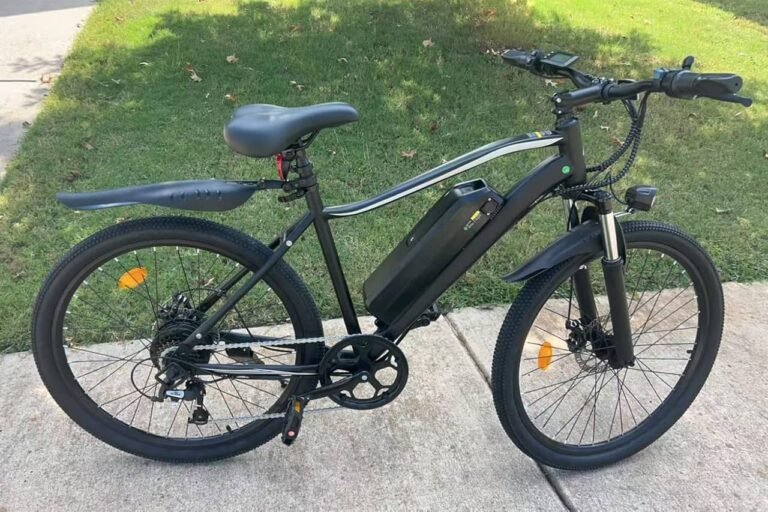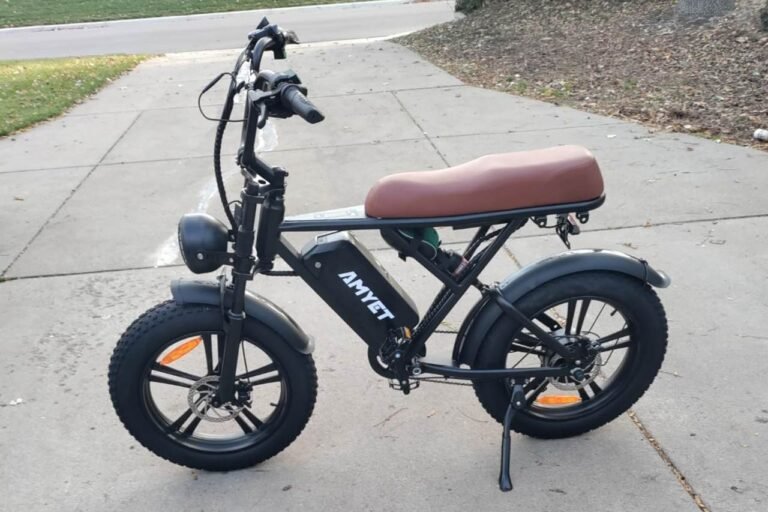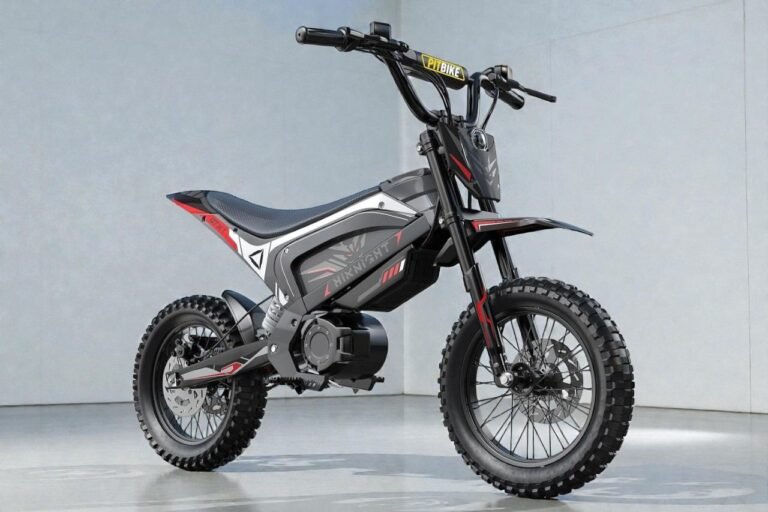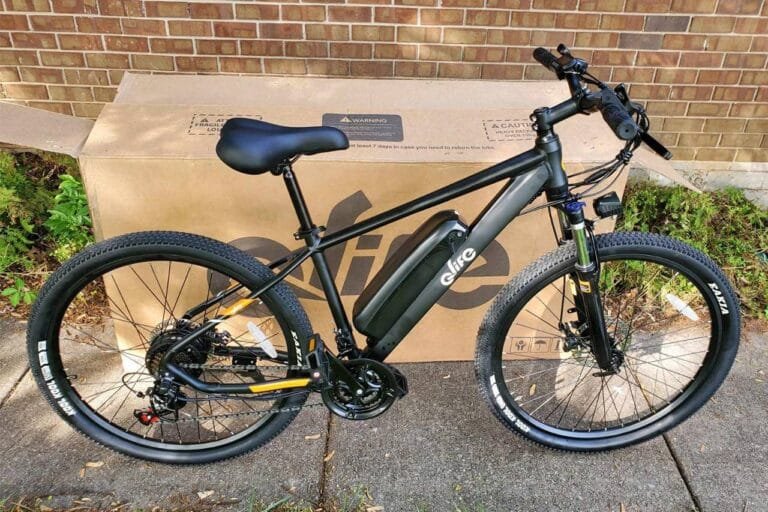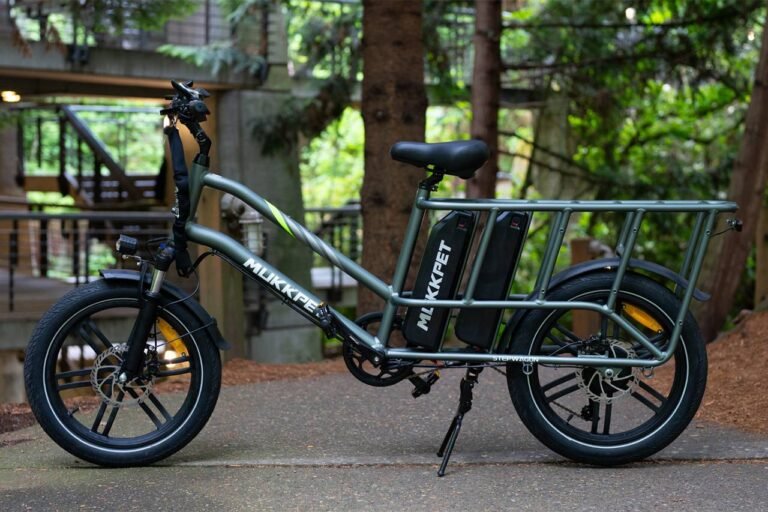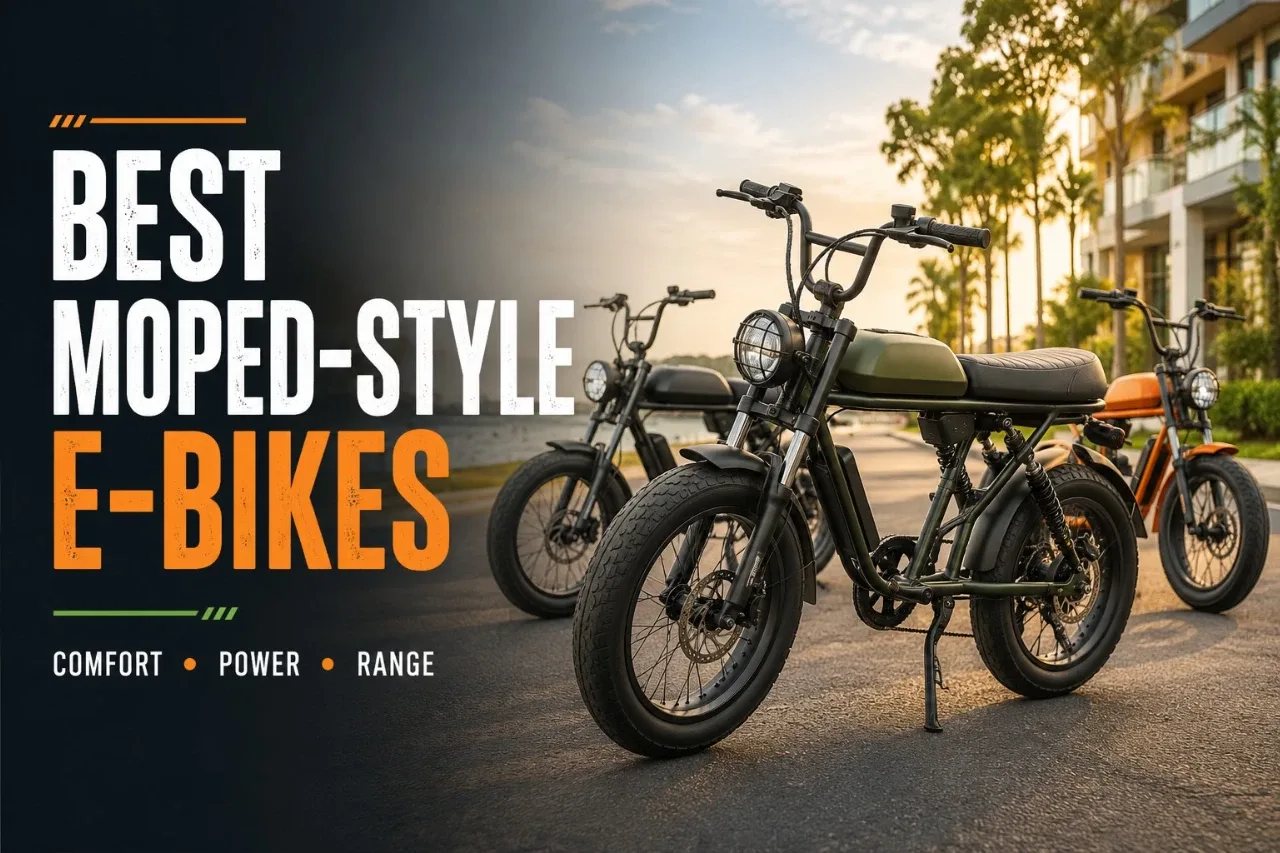
Moped-style e-bikes have grown into one of the most popular segments in the electric bike market. They combine a motorcycle-inspired look with the practical features of a pedal-assist bicycle: fat tires, long padded seats, upright handlebars, and larger batteries than most standard commuter bikes. The result is a ride that feels more relaxed and capable than a traditional e-bike, without requiring a motorcycle license in most U.S. states.
These bikes appeal to commuters who want something with presence, casual riders who prioritize comfort over pure efficiency, and anyone who wants more power for hills, trails, or longer distances. The trade-off is real weight, typically 60 to 90-plus pounds, and reduced pedaling efficiency compared to a lightweight commuter bike. Riders planning to use the pedals heavily on long flat routes may find the extra mass tiring.
We researched and compared the current Amazon market to identify the strongest options across different budgets, use cases, and rider profiles. We evaluated motor and battery specs, claimed range, suspension setup, brake type, payload capacity, safety certifications, and customer feedback patterns to build this guide.
Best Overall Moped-Style E-Bike: DTTZH F6S Electric Bike
Best Budget Moped-Style E-Bike: Jasion YR20 Electric Bike
Best Long-Range Moped-Style E-Bike: TST Fat Tire Electric Bike
Best for Teens and Younger Riders: ESKUTE V100 Electric Dirt Bike
Best Commuter Moped-Style E-Bike: Qlife Spark Electric Bike
Best Dual-Motor High-Power Option: Tamobyke T73 ProMax Electric Bike
Best Fat Tire Commuter Value: Gotrax R7 Electric Bike
Comparison Table
| Product | Best For | Motor (Peak) | Battery | Claimed Speed | Claimed Range | Tires | Suspension | Brakes | Payload | Notable Feature |
|---|---|---|---|---|---|---|---|---|---|---|
| DTTZH F6S | Best Overall | 2000W | 48V 25Ah | 40 MPH | 80 mi (PAS) | 20×4″ | Full | Hydraulic Disc | 330 lbs | NFC/password unlock |
| Jasion YR20 | Best Budget | 3000W | 48V 20Ah | 32+ MPH | 80 mi (PAS) | 20×4″ | Full | Hydraulic Disc | 330 lbs | Rear foot pegs, retro style |
| TST Fat Tire | Best Long Range | 1500W | 48V 15Ah | Not listed | 60 mi (PAS) | 20×4″ | Full | Mechanical Disc | 450 lbs | Highest payload rating |
| ESKUTE V100 | Best for Teens | 1500W | 48V 13Ah | 20+ MPH | 60 mi (PAS) | 16×4″ | Full | Disc | 360 lbs | Smaller 16″ wheel, younger fit |
| Qlife Spark | Best Commuter | 1500W | 48V 13Ah | 20+ MPH | Not listed | 20×4″ | Full | Disc | 360 lbs | 21-speed, signal lights |
| Tamobyke T73 ProMax | Best Dual Motor | 3000W (dual) | 48V 41.6Ah | 37.5 MPH | 60 mi (electric) | 20×4″ | Full | Hydraulic Disc | 330 lbs | Dual motor and dual battery |
| Gotrax R7 | Best Fat Tire Value | 750W | 48V 10.4Ah | 25 MPH | 50 mi (PAS) | 20×4″ | Front only | Disc | 264 lbs | Basket, fenders, UL certified |
1. DTTZH F6S Electric Bike
Best Overall Moped-Style E-Bike
| Spec | Detail |
|---|---|
| Motor | 2000W peak brushless |
| Battery | 48V 25Ah removable |
| Claimed Range | 35 mi (electric), 80 mi (PAS) |
| Claimed Speed | Up to 40 MPH |
| Tires | 20×4 inch fat tires |
| Suspension | Full (hydraulic front, rear shock) |
| Brakes | Hydraulic disc |
| Gears | 7-speed |
| Payload | 330 lbs |
| Certifications | UL2849, GCC |
The DTTZH F6S earns the top spot for combining strong motor output, a generous battery, hydraulic brakes, and smart security features at a competitive price point. The NFC card and 4-digit password unlock system sets it apart from most bikes in this range. The color LCD display is readable in sunlight and shows speed, battery level, and riding mode clearly.
Hydraulic disc brakes are a meaningful upgrade over mechanical stoppers at higher speeds. The listed 40 MPH claimed top speed places this bike well above Class 3 limits, so riders should check local laws before using full power on public roads or bike paths.
Customer feedback is largely positive, with multiple buyers noting strong power delivery and easy assembly. Some reviewers flagged that real-world top speed falls short of the advertised figure on the lower-power variant, and a few noted the stock seat comfort could be improved.

Pros:
- Hydraulic disc brakes at this price
- NFC and password unlock adds security
- UL2849 certified
- Heat-dissipating motor casing for extended use
- 95% pre-assembled
Cons:
- Claimed 40 MPH may exceed local e-bike speed limits
- Real-world speed may be lower than advertised
- Stock seat receives mixed feedback
- 8-10 hour charge time is long
Who should buy it: Riders who want a capable, well-equipped moped-style e-bike with strong stopping power and smart unlock features. Good fit for adults commuting on mixed terrain.
Who should skip it: Riders who need a street-legal Class 2 or Class 3 bike without modifications, or anyone who wants a lightweight option.
Safety and legality note: At claimed speeds above 28 MPH, this bike may be classified as a moped or motor vehicle in many U.S. states. Registration, a license, and a helmet may be required. Check your state’s laws before riding on public roads.
2. Jasion YR20 Electric Bike
Best Budget Moped-Style E-Bike
| Spec | Detail |
|---|---|
| Motor | 3000W peak brushless |
| Battery | 48V 20Ah removable |
| Claimed Range | Up to 80 mi (PAS) |
| Claimed Speed | 32+ MPH |
| Tires | 20×4 inch fat tires |
| Suspension | Full |
| Brakes | Hydraulic disc |
| Gears | 7-speed |
| Payload | 330 lbs |
| Certifications | Not listed |
The Jasion YR20 offers a retro cruiser aesthetic with a 3000W peak motor and hydraulic disc brakes, making it one of the stronger value options in this guide. It also includes rear foot pegs, which is a practical feature for passengers or resting on longer rides.
The 48V 20Ah battery supports a listed 80-mile range in pedal-assist mode. Real-world range will vary based on rider weight, assist level, terrain, and speed. At 32+ MPH claimed speed, legal classification varies by state.
Customer reviews are mostly positive, with buyers praising build quality and power. A few reviewers noted squeaking noises early on and flagged that customer support response times can be slow. The listing has fewer reviews than some competitors, so there is less long-term reliability data available.

Pros:
- 3000W peak motor at an accessible price
- Hydraulic disc brakes included
- Rear foot pegs for a passenger
- Retro cruiser styling
- 90% pre-assembled
Cons:
- Fewer reviews than top competitors
- Some reports of early squeaking sounds
- Customer support response times have been slow per some buyers
- No listed payload capacity
Who should buy it: Budget-conscious buyers who want a retro moped look, strong motor output, and hydraulic braking without paying a premium.
Who should skip it: Riders who want extensive review history or buyers who need a certified Class 2 street-legal setup.
Safety and legality note: Claimed speeds above 28 MPH likely place this bike outside standard Class 3 e-bike definitions. Check local regulations before riding on public infrastructure.
3. TST Fat Tire Electric Bike
Best Long-Range Moped-Style E-Bike
| Spec | Detail |
|---|---|
| Motor | 1500W peak (750W rated) |
| Battery | 48V 15Ah removable |
| Claimed Range | Up to 60 mi (PAS) |
| Claimed Speed | 28 MPH |
| Tires | 20×4 inch fat tires |
| Suspension | Full (front and rear) |
| Brakes | Mechanical disc |
| Gears | 7-speed |
| Payload | 450 lbs |
| Certifications | UL2849 |
The TST stands out for its 450-pound payload capacity, which is the highest in this comparison. That makes it a practical choice for heavier riders or those who carry gear regularly. The UL2849 battery certification is a meaningful safety credential.
The 48V 15Ah battery provides a listed 60-mile range in pedal-assist mode, with 40 miles in throttle mode. The aluminum frame keeps it lighter than comparable steel-frame bikes. Buyers get full suspension and a functional LCD display at a competitive price point.
The mechanical disc brakes are the main trade-off compared to higher-end models with hydraulic stoppers. At speeds below 28 MPH, mechanical brakes are generally adequate. Reviewers report smooth assembly and a comfortable ride, though one reviewer noted the handlebar stem required tightening after initial setup.

Pros:
- Highest payload capacity in this guide at 450 lbs
- UL2849 certified battery
- Aluminum frame reduces weight
- Full suspension for comfort
- 6-7 hour charge time is relatively fast
Cons:
- Mechanical disc brakes instead of hydraulic
- 15Ah battery is smaller than some competitors
- Limited top speed information in listing
- Some handlebar stem looseness reported
Who should buy it: Heavier riders, gear carriers, or buyers who prioritize payload capacity and a certified battery above raw speed or top-end braking.
Who should skip it: Riders who want hydraulic brakes or a larger battery for extended range.
Safety and legality note: The 750W rated motor places this bike within standard Class 2 or Class 3 parameters depending on speed. Verify with your local rules before riding on bike lanes or trails.
4. ESKUTE V100 Electric Dirt Bike
Best for Teens and Younger Riders
| Spec | Detail |
|---|---|
| Motor | 1500W peak |
| Battery | 48V 13Ah |
| Claimed Range | Up to 60 mi (PAS) |
| Claimed Speed | 20+ MPH |
| Tires | 16×4 inch fat tires |
| Suspension | Full (front fork + rear shock) |
| Brakes | Disc |
| Gears | 7-speed |
| Payload | 360 lbs |
| Certifications | Not listed |
| Minimum Height | 5.1 feet |
The ESKUTE V100 uses a 16-inch wheel instead of the 20-inch standard found on most moped-style e-bikes. The smaller wheel makes it a better physical fit for teens and shorter adults. The manufacturer lists a minimum height of 5.1 feet and targets the bike at young adults and older teens.
The listed 20+ MPH top speed keeps it within a manageable range for newer riders. Dual suspension and 16×4 inch fat tires provide good shock absorption on varied surfaces. Buyers note the bike comes mostly pre-assembled and is straightforward to set up.
Some reviewers reported minor paint chips on delivery and brake rubbing after assembly, which required adjustment. The seat receives positive feedback for comfort in shorter sessions, though longer rides may require adjustment.

Pros:
- 16-inch wheel suits shorter riders and teens
- Full dual suspension
- Mostly pre-assembled
- Strong build quality noted by multiple buyers
- Fenders and taillight included
Cons:
- Paint quality issues reported by some buyers
- Brakes may require initial adjustment
- 13Ah battery is smaller than larger adult-focused models
- No listed payload capacity
Who should buy it: Parents buying for a teenager or a shorter adult rider who wants a capable moped-style e-bike with manageable speed limits and a better physical fit.
Who should skip it: Taller adult riders or anyone who needs a 20-inch wheel for better ground clearance and stability at higher speeds.
Safety note: Riders under 16 should ride with an adult. Always wear a helmet and follow local regulations for youth riders on electric bikes.
5. Qlife Spark Electric Bike
Best Commuter Moped-Style E-Bike
| Spec | Detail |
|---|---|
| Motor | 1500W peak brushless |
| Battery | 48V 13Ah (624Wh) |
| Claimed Speed | 20+ MPH |
| Tires | 20×4 inch fat tires |
| Suspension | Full (front and rear) |
| Brakes | Dual disc |
| Gears | 21-speed |
| Payload | 360 lbs |
| Certifications | UL2849 battery |
The Qlife Spark offers a 21-speed transmission, which is notably higher than the 7-speed found on most bikes in this category. More gear options give riders finer control over effort and efficiency, which is useful for commuting across varied terrain. The bike also includes signal lights and brake lights, which are practical safety additions for road use.
The center-mounted color display shows real-time stats clearly. Multiple reviewers noted the motorcycle-style design turns heads, and the ride quality is described as smooth and responsive. One reviewer reported a battery issue after early use, and another noted the handlebars required adjustment for a comfortable fit.
With a 48V 13Ah battery, range will be modest compared to larger-capacity options. Real-world range depends heavily on assist level and terrain.
Pros:
- 21-speed gearing is rare at this price
- Signal and brake lights for road safety
- UL2849 certified battery
- Color LCD display
- 90% pre-assembled
Cons:
- Smaller 13Ah battery limits range
- Handlebar positioning may need adjustment
- One buyer reported early battery failure
- No listed payload capacity
Who should buy it: Commuters who want a stylish moped-look bike with multi-gear flexibility, visible lighting for road safety, and a manageable speed range for city riding.
Who should skip it: Riders who need maximum range or a large battery for long-distance trips.
Safety and legality note: At 20+ MPH with a 1500W peak motor, verify your state’s Class 2 and Class 3 limits. Some jurisdictions restrict throttle use above 20 MPH on shared paths.
6. Tamobyke T73 ProMax Electric Bike
Best Dual-Motor High-Power Option
| Spec | Detail |
|---|---|
| Motor | 3000W peak (dual 1500W motors) |
| Battery | Dual 48V 20.8Ah (41.6Ah total) |
| Claimed Range | 40 mi (electric), 60 mi (PAS) |
| Claimed Speed | 37.5 MPH |
| Tires | 20×4 inch fat tires |
| Suspension | Full (6-layer system) |
| Brakes | Dual hydraulic disc |
| Gears | 7-speed |
| Payload | 330 lbs |
| Certifications | UL certified components |
The T73 ProMax is the most powerful and most battery-equipped bike in this guide, pairing dual 1500W motors with dual 48V 20.8Ah batteries. That combination supports the listed 37.5 MPH top speed and 60-mile pedal-assist range. The retro quilted leather saddle and vintage styling are clear nods to classic cruiser bikes.
Hydraulic disc brakes are standard. The bike also includes a companion app, rear passenger pegs, a built-in frame basket, and full suspension. Early buyer reviews are positive, praising torque and build quality, though the review base is still small.
The 37.5 MPH claimed speed places this bike in moped or motor vehicle territory in most U.S. states. Buyers must understand local registration, licensing, and helmet requirements before riding on public roads.

Pros:
- Dual motors and dual batteries
- Hydraulic disc brakes
- Longest total battery capacity in this guide
- Rear pegs and frame basket included
- Retro styling with quilted saddle
Cons:
- Very limited review history
- 37.5 MPH speed likely requires registration or licensing
- Heavy, which affects handling and transport
- Shipping protection noted as minimal by one buyer
Who should buy it: Experienced riders who want maximum power, long range, and passenger capability in a retro-styled moped e-bike and understand the legal implications.
Who should skip it: New riders, buyers who want a street-legal Class 3 e-bike without registration, or anyone who needs a lightweight daily commuter.
Safety and legality note: At 37.5 MPH, this bike is almost certainly classified as a motor vehicle or moped under most state laws. A driver’s license, registration, and insurance may be required. Do not assume it qualifies as a standard e-bike.
7. Gotrax R7 Electric Bike
Best Fat Tire Commuter Value
| Spec | Detail |
|---|---|
| Motor | 750W brushless |
| Battery | 48V 10.4Ah removable |
| Claimed Range | Up to 50 mi (PAS) |
| Claimed Speed | Up to 25 MPH |
| Tires | 20×4 inch fat tires |
| Suspension | Front fork only |
| Brakes | 180mm disc |
| Gears | 7-speed |
| Payload | 264 lbs |
| Certifications | UL2849 |
The Gotrax R7 is the most road-appropriate and legally accessible bike in this guide. At 750W and 25 MPH, it fits within Class 3 e-bike definitions in most U.S. states, meaning no registration or license is typically required. It comes with a front basket, frame bag, fenders, front and rear lights, and a large padded saddle.
The UL2849 certification covers both electrical and battery safety, making it a solid choice for buyers who prioritize certified components. Front suspension only means rougher surfaces will transmit more vibration than full-suspension models, but for paved urban commuting that trade-off is minimal.
The 264-pound payload capacity is the lowest in this guide, and the 10.4Ah battery is also the smallest. Buyers wanting maximum range or carrying capacity should look elsewhere. Reviewers consistently praise stability, the motor’s hill-climbing ability, and the practical accessories.


Pros:
- Legally compliant Class 3 design in most states
- UL2849 certified
- Comes with basket, bag, and fenders
- Good hill-climbing feedback from buyers
- Clear LCD display
Cons:
- Front suspension only, no rear shock
- Lowest payload capacity at 264 lbs
- Smallest battery in this group
- Rear wheel removal reportedly difficult
Who should buy it: Urban commuters who want a practical, certified, street-legal moped-inspired e-bike with useful accessories and a clean design.
Who should skip it: Riders who need full suspension, higher payload, or more range for longer or rougher routes.
Safety and legality note: At 25 MPH with a 750W motor, the R7 is designed to operate within Class 2 and Class 3 legal frameworks. Always verify with your local laws, as rules on bike lanes, trails, and sidewalks vary by city and state.
Buying Guide
Choosing a moped-style e-bike involves more than picking the most powerful motor or the largest battery. Here is what to evaluate before buying.
Motor Power and Real-World Performance
Most bikes in this guide list a “peak” wattage, which is the maximum output the motor can sustain briefly. The continuous rated wattage is typically much lower. A 2000W peak motor may be rated at 750W continuously. For climbing hills or carrying extra weight, look for a higher continuous rating, not just peak power. For everyday commuting on flat urban roads, 750W to 1000W continuous is generally sufficient.
Battery Capacity and Honest Range Expectations
Manufacturers list range figures under ideal conditions, usually low assist levels, flat terrain, lighter riders, and moderate speeds. Real-world range is typically 30 to 50 percent lower than the listed figure when riding at higher speeds, in full electric throttle mode, or in hilly terrain. A 25Ah battery will go further than a 13Ah battery under the same conditions. Prioritize removable batteries for charging convenience and long-term replacement ease.
Tires and Suspension
Most moped-style e-bikes use 20×4 inch fat tires. These provide grip and cushioning on sand, gravel, grass, and light trails. Wider tires also improve stability at speed. Full suspension handles rough terrain better than front-only setups. For pure urban commuting on smooth pavement, front suspension alone may be adequate and keeps the bike lighter.
Brakes
Hydraulic disc brakes outperform mechanical disc brakes in stopping distance and consistency, especially at higher speeds or in wet conditions. If a bike claims speeds above 28 MPH, hydraulic brakes are worth the extra cost. Mechanical disc brakes are acceptable for bikes kept below 25 MPH.
Frame Weight and Portability
Moped-style e-bikes are heavy. Most weigh between 60 and 90-plus pounds. If you need to carry the bike up stairs, load it into a vehicle, or store it in a tight space, weight matters significantly. Check the listed weight before buying and plan your storage situation.
Long Seat and Riding Position
The long saddle and upright handlebars common on these bikes reduce lower back strain on longer rides compared to aggressive forward-leaning positions. Seat quality varies. Multiple bikes in this guide received mixed reviews on stock seat comfort for rides longer than 30 to 45 minutes. Aftermarket saddles are available if needed.
Passenger Use
Some bikes include rear foot pegs and wide saddles that support a second rider. Verify the listed payload capacity accounts for two riders combined. Never exceed the listed maximum weight rating.
Lighting and Visibility
For road and commuting use, front headlights, rear brake lights, and signal lights meaningfully improve safety. Not all bikes in this guide include signal lights. The Qlife Spark and Tamobyke T73 ProMax are notable exceptions with more complete lighting systems.
Safety Certifications
Look for UL2849 certification, which covers the entire electrical system including motor, battery, wiring, and charger. Some listings mention UL-certified batteries only. Full system certification is the stronger credential.
Legal Classification in the United States
U.S. federal law defines three e-bike classes:
Class 1: Pedal assist only, max 20 MPH
Class 2: Throttle and pedal assist, max 20 MPH
Class 3: Pedal assist only, max 28 MPH
Many moped-style e-bikes in this guide exceed these limits. Bikes capable of 30 to 40 MPH are generally not classified as bicycles under federal or state law. They may require registration, insurance, a driver’s license, a motorcycle endorsement, or a helmet that meets DOT standards rather than a bicycle helmet standard. Laws vary by state and city. Always check your local Department of Motor Vehicles or equivalent agency before riding on public roads, bike paths, or trails.
Frequently Asked Questions
What features matter most when choosing a moped-style e-bike for daily commuting?
For daily commuting, prioritize battery capacity for range, a comfortable upright riding position, practical accessories like fenders and lights, and a safety certification such as UL2849.
Disc brakes and at least front suspension add meaningful safety and comfort on real roads.
If you plan to use bike lanes or shared paths, also verify the bike’s speed and motor output fall within your local e-bike class limits.
Are moped-style e-bikes comfortable and safe for longer rides?
Most moped-style e-bikes are built for comfort, with wide saddles, fat tires, and suspension that reduces vibration.
Rides of 20 to 40 miles are generally manageable for most adults. Comfort on longer rides depends on seat quality, riding position, and terrain.
Several bikes in this guide received mixed feedback on stock seat comfort for extended sessions, so a saddle upgrade is sometimes worth considering.
How do moped-style e-bikes compare to traditional e-bikes in speed and range?
Moped-style e-bikes typically offer more motor power and larger batteries than standard commuter e-bikes, which can support higher speeds and longer range.
The trade-off is additional weight, often 20 to 40 pounds more than a lightweight commuter model, which reduces pedaling efficiency and makes the bike harder to transport.
For flat urban routes where the motor does most of the work, that trade-off is manageable.
What should teens and parents look for when buying a moped-style e-bike?
Parents should look for a bike with a lower claimed top speed, typically 20 MPH or less, a smaller frame size with a lower minimum height requirement, and dual suspension for stability.
The ESKUTE V100 in this guide is specifically sized for shorter and younger riders.
Teens should always wear a helmet, and many states require adult supervision for riders under 16 on electric bikes.
What are the key legal and registration requirements for riding a moped-style e-bike in the U.S.?
Requirements vary widely by state. Bikes that stay within Class 1, 2, or 3 definitions (under 28 MPH with a motor under 750W continuous) typically do not require registration, a license, or insurance in most states.
Bikes capable of 30 MPH or more are usually classified as mopeds or motor vehicles, which can trigger registration, licensing, insurance, and helmet requirements.
Always check your state DMV website and local municipal rules before riding any high-powered e-bike on public roads or shared paths.
GoEBikeLife publishes independent e-bike reviews, comparisons, and practical buying guides. Some links on this page are affiliate links. If you make a purchase through an eligible link, we may earn a commission at no additional cost to you.