A good ride can change your day.

Find the best electric bike under 1000 for commuting, errands, or trails. Compare real range, brakes, fit, and trade-offs before you buy today wisely.
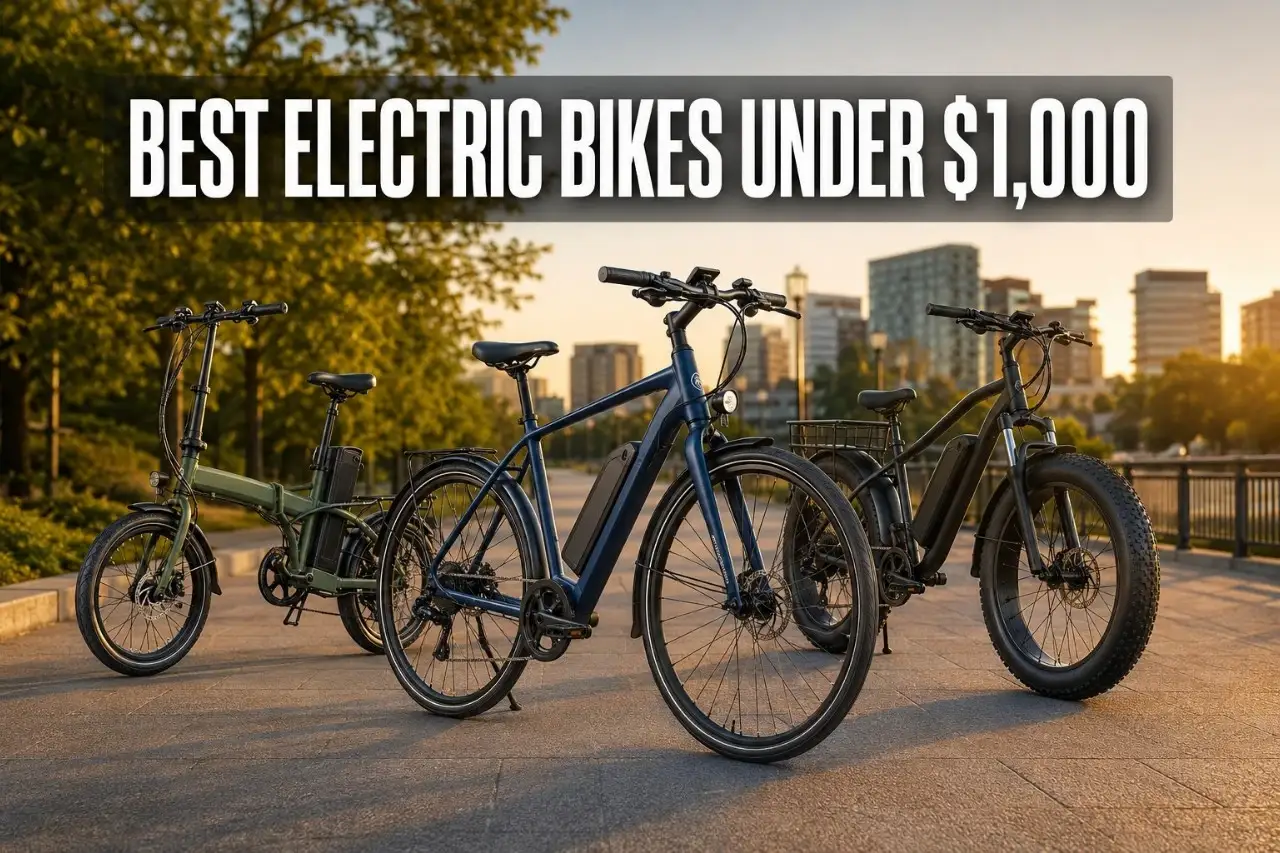
A $1,000 ceiling changes the question from “Which e-bike has every feature?” to “Which one will make me want to ride it on Monday?” The best electric bike under 1000 should have a battery you can live with, brakes you can trust, and a frame that fits your actual routes – not just an impressive-looking spec sheet.
At this price, every bike makes compromises. You may give up hydraulic brakes, a torque sensor, a large battery, dealer support, or refined fit and finish. That is normal. The goal is to choose the compromises that matter least for the way you ride.
Prices move often in the budget e-bike market, especially around seasonal sales. The models below are the strongest options to compare when they are listed at or below $1,000. Always confirm the current price, included accessories, and shipping terms before treating any bike as a true under-$1,000 purchase.
The Lectric XPress 500 is the pick for riders who want a full-size commuter rather than a basic neighborhood bike. Its 500W rear-hub motor, large 48V battery, and Class 3 capability give it more room for longer routes and moderate hills than most entry-level bikes. A torque sensor also makes the pedal assist feel more connected to your effort than cadence-only systems.
The catch is price. It sits right at the budget line when available at its introductory price or on promotion, so it may not qualify every day. It is also a larger, heavier bike than a folding option. But for a rider with a 5- to 15-mile commute, this is the kind of specification package that can keep you from outgrowing an inexpensive e-bike too quickly.
The Aventon Soltera.2 is a smart choice for flatter city streets, bike paths, and riders who want an e-bike that still looks and handles much like a regular bicycle. Its 350W motor is modest, but that is part of the appeal: the bike is lighter and less bulky than fat-tire models, making stairs, apartment storage, and crowded bike racks easier to manage.
Its limitations are just as clear. The Soltera.2 is not the bike for steep hills, rough roads, or carrying a heavy load. With no suspension and narrower tires, it rewards smoother pavement. If your priority is a clean, nimble ride for a short commute rather than maximum power, it is one of the better-balanced choices near $1,000.
For riders with limited storage, the Lectric XP Lite 2.0 makes a persuasive case. It folds for transport and apartment living, uses 20-inch tires, and keeps the overall package manageable compared with heavier folding fat-tire e-bikes. It is particularly well suited to RV owners, boaters, and commuters who need to combine a bike ride with a car or transit trip.
The smaller battery and compact wheels set realistic boundaries. Expect less range than a full-size commuter with a 500Wh-plus battery, especially if you ride at high assist levels or face hills. The ride can also feel busier over broken pavement. Still, portability is a feature, not a compromise, when the alternative is leaving a larger bike at home.
The Gotrax F2 is worth a look for riders who value comfort and all-around stability. Its fat tires take some edge off potholes, packed gravel, and uneven neighborhood streets, while the more powerful hub motor gives it useful low-speed help when starting or climbing gentler hills. It generally offers more substantial equipment than ultra-cheap online e-bikes without immediately pushing into premium pricing.
Fat tires are not automatically better, though. They add rolling resistance, make the bike harder to pedal without assist, and can make quick steering feel slower. The F2 suits a rider who wants a relaxed, cushioned ride and has space to store a heavier bike. It is less compelling for someone carrying an e-bike upstairs every day.
The Heybike Cityscape 2.0 focuses on easygoing transportation. Its step-through frame is friendly for riders who prefer not to swing a leg over a high top tube, and its upright riding position works well for errands, casual fitness rides, and short daily trips. A rear rack adds practical value for a small grocery bag or panniers.
This is a value-focused bike, so evaluate the final assembly carefully. Check the brake adjustment, bolt tightness, tire pressure, and shifting before your first serious ride. The motor and battery are adequate for typical neighborhood use, but riders in very hilly areas or those expecting frequent 25-mile-plus trips should consider a larger-battery model instead.
The ENGWE EP-2 Pro brings a folding frame, fat tires, and front suspension into one package. For riders who split their time between paved paths, hard-packed trails, campground roads, and rougher suburban pavement, that versatility can be appealing. The folding design also gives it an advantage for RV travel and limited garage space.
The trade-off is weight and refinement. Bikes in this category can be awkward to lift even when folded, and suspension components at this price should be viewed as basic comfort aids, not mountain-bike equipment. It can handle casual dirt and gravel, but it is not a substitute for a properly equipped trail e-bike with quality brakes and a controlled suspension fork.
The Jasion EB5 is aimed at shoppers who need to spend well below the full $1,000 budget. It is a straightforward commuter-style e-bike with a relatively light frame, a rear hub motor, and a removable battery. For a short, mostly flat ride to work, school, or a local store, it can be a practical entry point.
Buyers should keep expectations aligned with the price. Its battery capacity, component quality, and climbing ability are more limited than on the Lectric or Aventon options above. This is a sensible choice when a 3- to 8-mile route is the real assignment. It is not the best fit if you need long range, high rider weight capacity, or confident performance on steep grades.
A claimed range number is usually measured under favorable conditions: a lighter rider, smooth ground, moderate speed, and low pedal assist. Real range drops with hills, wind, cold weather, cargo, frequent stops, and higher assist settings. For most budget shoppers, a battery around 400Wh is enough for shorter local trips, while 500Wh or more gives a better cushion for commuting and hills.
Brakes deserve equal attention. Mechanical disc brakes are common below $1,000 and can work well when properly adjusted, but hydraulic disc brakes generally require less hand effort and offer better modulation. If you ride in rain, descend hills, carry cargo, or weigh more than average, stronger braking should move higher on your priority list.
Also check the bike’s fit before focusing on wattage. A step-through frame can be valuable for older adults, riders with mobility limitations, or anyone making frequent stops. Taller riders need to confirm the published height range and seatpost extension. A powerful motor cannot fix a cramped riding position or handlebars that leave your wrists aching after 20 minutes.
For flat pavement, a 350W hub motor is often enough. It keeps cost and weight down while providing a meaningful boost at stoplights and into headwinds. Riders facing repeated hills, heavier loads, or longer commutes will usually be happier with a 500W system and a larger battery.
Tire choice is similarly practical. Narrower commuter tires roll efficiently and make a bike feel more responsive on pavement. Wider tires improve comfort and grip on loose or broken surfaces, but they add weight and reduce efficiency. If 90 percent of your riding is on streets, do not buy fat tires simply because they look more capable.
Set aside money for a helmet, quality lock, floor pump, and basic service. A budget e-bike is still a bicycle with electrical parts, and a poorly adjusted brake or loose axle can turn a good deal into a frustrating first month. Charge the battery indoors at room temperature, use the included charger, and avoid storing a fully depleted battery for long periods.
A good ride can change your day, but only when the bike fits the job. Choose the model that makes your regular route feel easier, safer, and more realistic – then you will have an e-bike you use, not just one you own.
Best Electric Bikes on Amazon