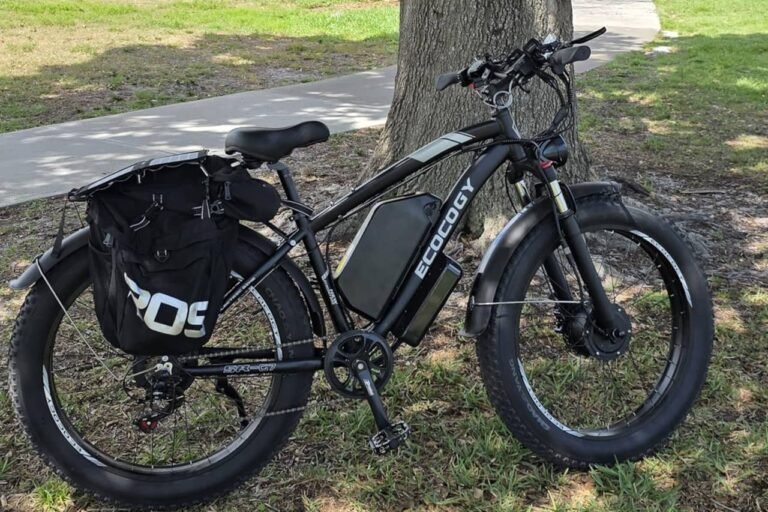
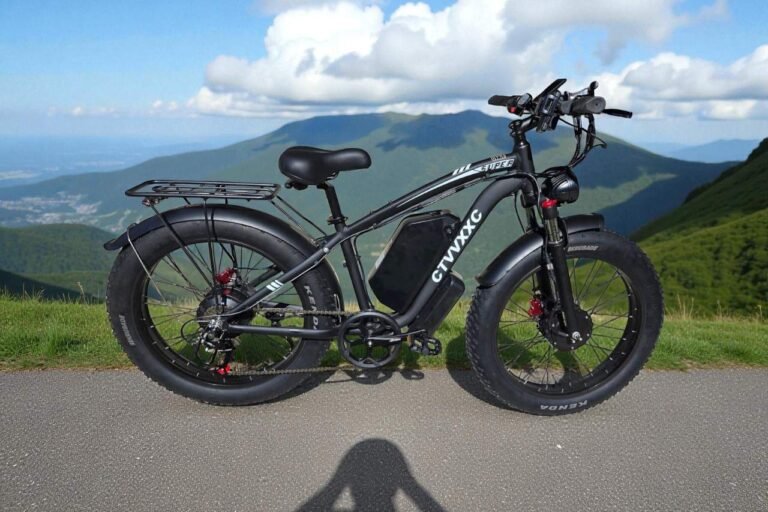
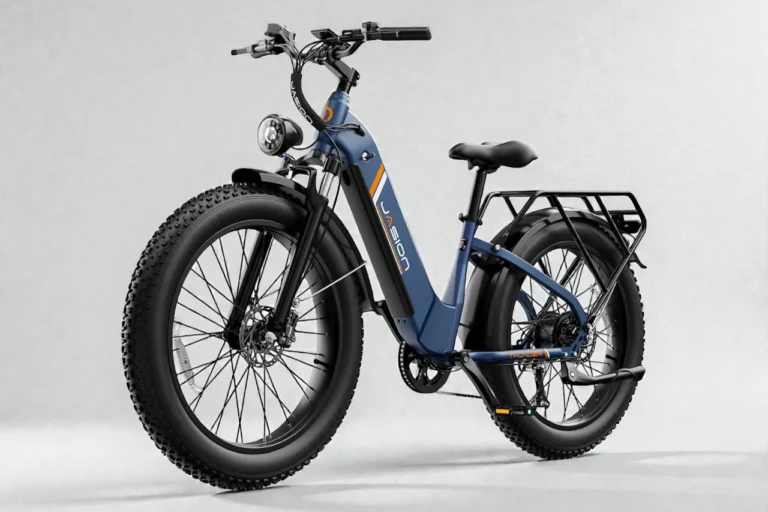
Real rides. Real notes. No hype.

My ranked guide to the best fat tire electric bikes under $1,000—what feels good in real riding, what to avoid, and which one fits you best.
Fat-tire e-bikes under $1,000 can be a surprisingly practical category—if you buy with the right expectations. In this price range, you’re usually trading premium refinement (lighter frames, torque sensors, name-brand suspension) for big-tire stability, strong “get-up-and-go,” and everyday versatility on imperfect roads.
For this roundup, I focused on how these bikes behave in real riding: starts from stoplights, low-speed control in tight spaces, comfort over rough pavement, hill behavior when you’re carrying a backpack, and how “fat tire + budget components” changes ownership. I also weighed safety details like braking feel and lighting, because speed is cheap—stopping confidently is not.
Best overall pick: Jasion Thunder — the most well-rounded “daily usable” fat-tire bike here, with the braking and full-size 26″ stance I’d personally want for mixed riding.
Best value pick: Jasion EB7 2.0 — if you want an affordable fat-tire bike that folds and still feels fun, it’s hard to ignore at this price.
Who should buy from this list: riders who want confidence on rough pavement, gravel, winter roads, or sandier surfaces—and who accept that budget e-bikes can be heavy and need a little owner attention.
Who may want to look elsewhere: riders who want a lightweight bicycle-like feel, a true trail-grade suspension setup, or premium brand-level parts support.
| Rank | Model | Best For | Key Strength | Main Drawback |
|---|---|---|---|---|
| 1 | Jasion Thunder | Big riders, commuting + weekend exploring | Strong, confidence-inspiring braking + full-size tires | Not a true “light” bike—storage/lifting can be a chore |
| 2 | TST R002 | Long-range commuters, night riding | Big battery option + strong lighting package | Mechanical brakes at higher speeds require more planning |
| 3 | Qlaway BK20 | “Mini e-moto” feel, cushy cruising | Full-suspension comfort vibe + compact 20″ footprint | Heavier feel + small wheels can feel twitchier at speed |
| 4 | Gotrax R7 | City utility, errands, comfort-first | Comfort accessories included + UL claims + tidy commuter kit | Payload and off-road toughness are more “light trail” than aggressive |
| 5 | Jasion EB5 MAX | All-around value + simple utility | Practical rack/fenders + strong motor claim | Component tuning/feel can be more “budget sporty” than refined |
| 6 | NARRAK S127 | RV/travel, small storage, casual riders | Folding convenience + simple, approachable speed | 20 mph class may feel limiting if you want faster cruising |
| 7 | ECOTRIC Rocket | Budget-first buyers, basic fat-tire fun | Low entry price + simple riding modes | 36V system + lower power feel on hills, especially for heavier riders |
| 8 | Jasion EB7 2.0 | Best budget folding pick | Price-to-fun ratio is excellent | Comfort and stability are good for the cost, not premium |
Reality check: under $1,000, weight, brakes, and sensor feel are usually the three biggest compromises. Buy accordingly.
Why It’s Our Top Pick
If I were spending under $1,000 and wanted a fat-tire bike that feels like a legitimate daily ride—not just a “fun toy”—this is the one I’d start with. The big thing for me is confidence: full-size 26″ fat tires settle the bike down at real-world commuting speeds, and the claimed hydraulic brakes are exactly the kind of upgrade that matters when you’re rolling heavier tires and a heavier frame.
Key Features
Ride feel and stability: On 26″ fat tires, the bike feels calmer over potholes and broken pavement than most 20″ fat-tire bikes. The bigger wheel diameter helps it “bridge” rough patches instead of dropping into them.
Stop-and-go commuting: Budget bikes often surge when assist kicks in. This one still feels like a powerful hub bike, but it’s easier to ride smoothly once you learn the PAS steps and your preferred gear.
Braking confidence: In this category, brakes can make or break the ownership experience. Even without getting lost in specs, the difference between “adequate mechanical” and “confident braking feel” shows up every day—especially if you ride faster or carry cargo.
It’s not a light bike. Even if the geometry feels manageable while riding, moving a fat-tire e-bike through a doorway, up a step, or onto a rack can be frustrating.
Fat tires add drag. When you’re above assist limits or riding with low/no assist, you feel the rolling resistance. This is the “hidden cost” of fat tires.
Smart features can be hit-or-miss. Remote locks/app-style features are nice, but on budget bikes they’re not always as polished as the core ride experience.
| Pros | Cons |
|---|---|
| Stable, planted feel from 26″ wheels | Heavy to lift/store compared to commuter e-bikes |
| Braking upgrade matters for safety | Fat tires reduce “natural pedaling” efficiency |
| Good all-around use: commute + weekend | Budget-class finishing and setup may need attention |
| Practical accessories included | Not the most compact option for apartments/RVs |
Why It Ranks #2
This one is about “big battery energy + strong equipment list” for the money. If you’re commuting regularly or you simply hate charging often, the larger battery configuration is a legitimate buying reason. It also calls out a serious lighting setup (turn signals included), which is a safety detail many budget bikes skip.
Key Features
Battery “breathing room”: The most enjoyable thing about a big battery isn’t chasing a magical range number—it’s riding without anxiety. You can use higher assist when it’s actually helpful (headwinds, hills, carrying stuff) without feeling like you’re draining the tank instantly.
City handling: 20″ wheels make the bike feel nimble and easy to thread through tight spots. If you’re in stop-and-go city life, that matters.
Night safety: A more complete lighting package makes a real difference in how comfortable I feel riding after dark.
Mechanical brakes at higher speeds: If you actually ride near the top of what this bike can do, mechanical brakes demand more following distance and more proactive braking.
Small wheel stability: 20″ fat tires can feel “quick” in steering. It’s not bad—just different. At speed, I prefer the calmer nature of 26″ wheels.
Warranty/support clarity: Budget brands can be responsive, but consistency varies. I treat “support” as a question mark unless you’ve verified parts availability.
| Pros | Cons |
|---|---|
| Big-battery option = less charging stress | Mechanical brakes require more planning |
| Strong lighting kit for night riding | 20″ wheels can feel twitchier at speed |
| Compact, maneuverable footprint | Heavier build feel is still likely |
| Practical for commuting and errands | Support/parts experience can vary by brand |
Why It’s Ranked Here
This one leans hard into the electric dirt bike / mini e-moto vibe: compact 20″ fat tires, full suspension, and a longer seat/back seat concept. If your goal is comfort-first cruising and that “sit and float” feel, this style can be extremely appealing.
Key Features
Comfort vibe: On rough pavement, a cushier setup takes the sting out of constant small impacts. Even if budget suspension isn’t high-end, the overall comfort direction is real.
Approachable mounting: Compact frames and lower seat heights often feel less intimidating for newer riders—especially if you’re stepping on and off frequently.
Stoplight fun factor: A punchy hub motor on a smaller platform can feel lively in short bursts—great for urban riding.
Full suspension in this price class is usually basic. It can help, but don’t expect “mountain bike suspension performance.” Think comfort, not aggressive trail control.
Small wheels + speed need respect. At higher speeds, I ride more conservatively on compact bikes—especially on uneven surfaces.
Heavier overall feel: Many “e-moto style” bikes feel heavier and more cumbersome to carry or store than they look online.
| Pros | Cons |
|---|---|
| Cushy comfort direction for rough roads | Budget full suspension isn’t trail-grade |
| Compact and easy to maneuver | Small wheels feel less calm at speed |
| Fun, moped-like riding posture | Heavy to move in/out of storage |
| Back seat adds utility potential | Passenger/cargo use must be handled safely |
Why It’s Ranked Here
Gotrax packages this bike like a practical commuter: padded saddle, basket, frame bag, fenders, and an approachable 20″ format. For some buyers, that “already set up for errands” reality is worth more than raw specs.
Key Features
Everyday usability: A basket changes how you ride. You stop wearing a backpack for every small errand, and the bike becomes a real tool.
Comfort-first seating: If you’re not chasing sporty pedaling, a big saddle can make short-to-medium rides feel much easier on the body.
Approachable handling: Compact bikes are easier to park, store, and maneuver.
Payload limits: Utility accessories are great, but pay attention to realistic load and handling when you’re carrying weight.
Not an aggressive off-road bike: Fat tires help, but this is more “city + light trail” than “hard trail.”
Component quality expectations: At this price, you may need small setup tweaks (brake adjustment, bolt checks) to get it dialed.
| Pros | Cons |
|---|---|
| Excellent out-of-box utility kit | Not designed for aggressive trail riding |
| Comfort-friendly rider position | Payload/handling needs common-sense limits |
| Compact and easy to live with | Requires normal budget-bike setup attention |
| Fat tires help in imperfect streets | Heavy compared to non-fat commuter e-bikes |
Why It’s Ranked Here
This is a solid “do most things pretty well” fat-tire format: rack, fenders, cruise control claim, and a straightforward 26″ fat-tire setup. It’s a practical pick if you want a bigger stance than 20″ bikes but you’re still trying to stay under $1,000.
Key Features
26″ stability: Bigger wheels generally feel less “busy” when the road gets choppy.
Commuter practicality: Fenders and a rack aren’t glamorous, but they change daily ownership.
Battery convenience: Removable batteries make apartment life easier—when the battery is actually easy to remove and carry.
Heavier frame material: Carbon steel frames often mean more weight, which affects storage and lifting.
Budget suspension: Front forks in this category are mainly for comfort, not precision control.
Brake expectations: If it’s using basic disc brakes, you may need periodic adjustment to keep braking sharp.
| Pros | Cons |
|---|---|
| Stable 26″ fat-tire platform | Likely heavy to lift/store |
| Useful commuter accessories | Suspension is comfort-focused, not trail-focused |
| Removable battery for easier charging | Brake tuning/adjustments may be needed over time |
| Good all-around riding versatility | Not as compact as 20″ folding models |
Why It’s Ranked Here
The big win is folding convenience combined with a capable fat-tire format. If you travel, RV, camp, or keep a bike in a tight garage, folding changes everything. It also stays at a more conservative class-style top speed (listed 20 mph), which can be a feature if you value predictability and legality.
Key Features
“Fits in more lives”: A folding bike is the one you actually bring. That matters more than specs that only look good online.
Approachable behavior: Bikes capped around 20 mph can feel less stressful for new riders.
Great for mixed casual terrain: Beach paths, campground roads, gravel trails—this is the kind of use where fat tires shine.
Speed ceiling: If you want fast commuting, 20 mph can feel slow.
Folding adds complexity: Hinges and latches require attention. I always re-check hardware after early rides.
20″ wheel stability: Still a compact bike at heart—great for maneuvering, less calm than 26″ at speed.
| Pros | Cons |
|---|---|
| Folding convenience is a real lifestyle win | 20 mph top speed may feel limiting |
| Easy to store/transport | Folding hardware needs periodic checks |
| Good for casual mixed terrain | 20″ wheels aren’t as calm at speed |
| Approachable for newer riders | Not the best “fast commuter” pick |
Why It’s Ranked Here
This is the “get on a fat-tire e-bike for less” option. It’s not as exciting on paper as the higher-power 48V bikes, but it can still be a perfectly valid buy for flatter areas, casual riding, and riders who simply want help over rough surfaces.
Key Features
Straightforward riding: Simpler bikes can be easier to live with. Less “feature complexity,” more “just ride.”
Comfort improvement over skinny tires: Even with basic suspension, fat tires are doing a lot of the comfort work.
Good “starter fat tire” direction: If you’re not sure you’ll love the fat-tire lifestyle, it’s a lower-risk entry.
36V system feel: On hills—especially with a heavier rider or soft tires—you may want more punch.
Range expectations: Don’t buy this thinking it’s a long-range beast. Treat it as a moderate-distance helper.
Budget components: Expect basic brakes and drivetrain behavior. It can be fine, but not premium.
| Pros | Cons |
|---|---|
| Lower price makes it accessible | Less punch on hills vs 48V options |
| 26″ fat tires help with comfort/traction | Range is more “moderate” than long |
| Simple riding modes | Budget component feel (brakes/drivetrain) |
| Good for casual use | Heavier than typical commuter bikes |
Why It’s Our Best Value Pick
Price-to-fun matters. The EB7 2.0 is a folding fat-tire bike at a very aggressive price point. If you accept the reality of budget suspension and budget finishing, you get a lot of practical capability for not much money.
Key Features
Easy to live with: Folding bikes are simply more likely to be used if your storage situation is tight.
Comfort for the money: Even if the suspension is basic, the combination of fat tires + suspension direction helps tame rough pavement.
Beginner-friendly: Compact bikes often feel less intimidating at low speeds and in crowded areas.
Stability at speed: 20″ bikes can feel nervous compared to 26″. If you ride fast, pick your lines and slow down on rough sections.
Folding hardware maintenance: Tighten, check, repeat—especially early on.
Not premium refinement: Expect some noise, some adjustment, and the usual budget-bike ownership habits.
| Pros | Cons |
|---|---|
| Excellent price-to-capability ratio | Less calm at speed vs 26″ bikes |
| Folding convenience is huge | Folding latch/hinge needs periodic checks |
| Comfort direction for rough roads | Budget finishing and tuning expected |
| Great for small storage + travel | Heavy for its size compared to non-fat folders |
Fat tires add rotating mass and many budget e-bikes are heavy. That combination makes braking quality a real safety issue.
Ignore fantasy range claims. What matters is whether you have enough battery to ride the way you actually ride:
At this price:
Before you buy, answer honestly:
Is a fat tire e-bike good for commuting?
Yes—especially if your roads are rough or you ride in winter. Expect more weight and more rolling resistance than a commuter tire.
Do fat tire e-bikes work on sand and snow?
They can, but tire pressure and rider technique matter. Fat tires help most on soft surfaces at lower speeds with reasonable expectations.
Are 20″ fat tire bikes less stable than 26″?
At higher speeds, usually yes. 20″ bikes are more nimble; 26″ bikes generally feel calmer and more planted.
Hydraulic vs mechanical brakes—does it really matter?
In this category, it can matter a lot. Heavier bikes + higher speeds = braking confidence becomes a safety feature, not a luxury.
What’s the biggest maintenance reality with budget fat tire e-bikes?
Bolt checks, brake adjustments, and tire pressure discipline. Many “problems” are actually setup/tuning issues.
How should I think about range claims?
Treat them as optimistic. Plan your purchase around battery capacity and your riding conditions (hills, speed, rider weight, cold).
Can I carry a passenger on these bikes?
Only if the bike is specifically designed and rated for it, and you follow local laws. Even then, handling and braking demands go up fast.
What’s the smartest upgrade after buying?
Often: better brake pads, a better headlight (if needed), and dialing tire pressure to your weight/terrain.
Best overall: Jasion Thunder
If you want one under-$1,000 fat-tire bike that feels most like a “real everyday ride,” the Thunder is the pick. The full-size wheel stance is more stable, and the braking upgrade is exactly what I want for a heavier, faster fat-tire platform.
Best use case: commuting on rough pavement + weekend gravel/park paths + riders who want stability and confidence.
Main compromise: weight and portability—fat-tire e-bikes are rarely easy to lift or store.
| Preview | Product | Price | |
|---|---|---|---|

|
Jasion Thunder Electric Bike for Adults,1800W Peak Fat Tire E Bikes,26”x 4”,80 Miles with 864Wh… | View on Amazon |