A little joy belongs in every day.

Class 3 e-bike rules vary across the U.S. Learn where these 28 mph pedal-assist bikes can ride and how to check local requirements.
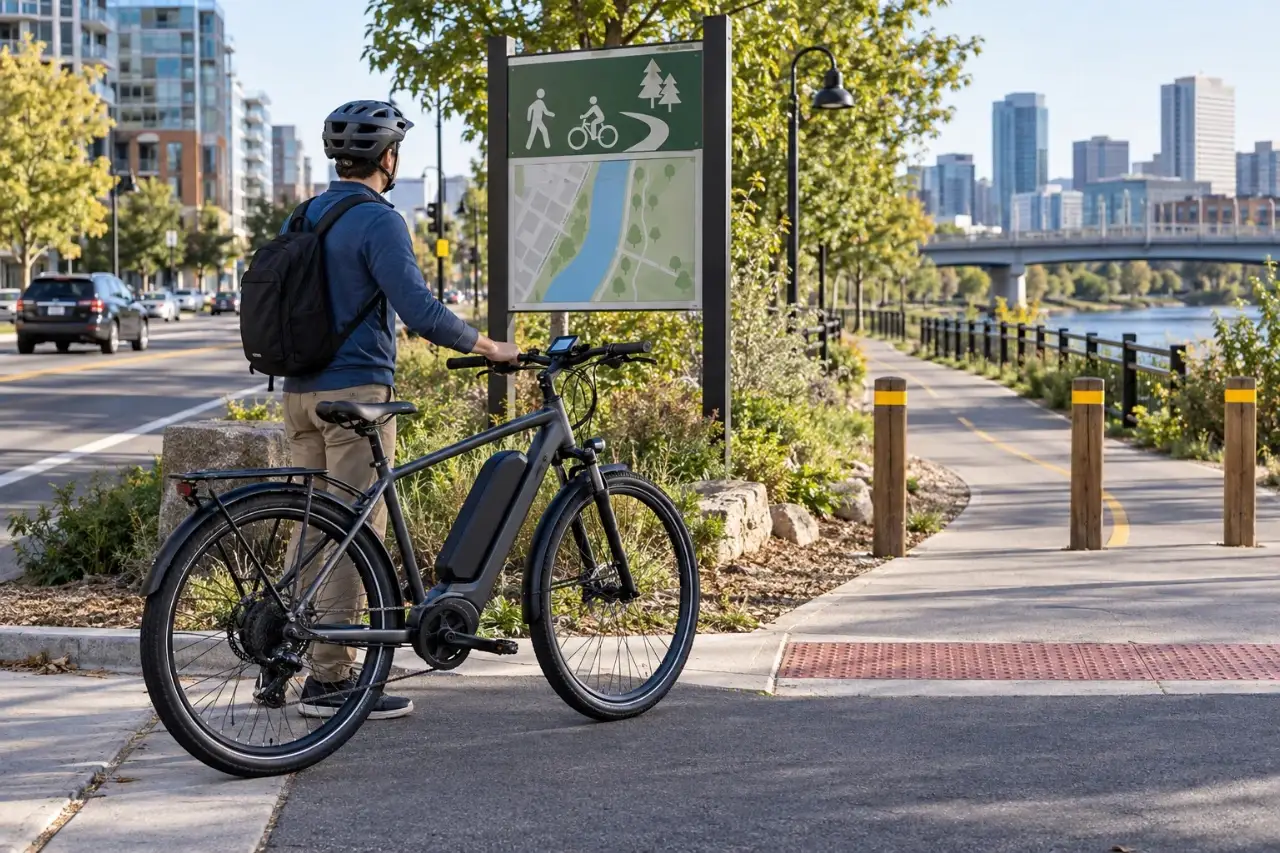
A Class 3 e-bike is generally a pedal-assist electric bicycle that stops providing motor assistance at 28 mph. However, Class 3 e-bike rules are not identical everywhere in the United States. State laws, city ordinances, trail operators, parks, and land managers may set different requirements for helmets, rider age, and where these bikes are allowed.
Before riding a Class 3 e-bike on a bike path, trail, or shared route, check the rules for that specific location rather than relying only on your state’s general e-bike law.
Under the three-class system used by many U.S. states, a Class 3 e-bike is a pedal-assist bicycle with a motor that stops providing assistance when the bike reaches 28 mph. Many Class 3 definitions also limit motor output to 750 watts or less.
The important point is that the motor assists only while the rider is pedaling. A Class 3 e-bike may travel faster than 28 mph because of downhill momentum or rider effort, but the motor should not continue adding assistance above the legal cutoff.
A speedometer showing more than 28 mph does not automatically mean the bike is illegal. The classification depends on the bike’s design and motor assistance capability.
| Class | Motor assistance | Assisted speed limit |
|---|---|---|
| Class 1 | Pedal assist only | 20 mph |
| Class 2 | Throttle assistance allowed | 20 mph |
| Class 3 | Pedal assist only | 28 mph |
A Class 3 e-bike is sometimes called a speed pedelec because it provides higher assisted speed than Class 1 and Class 2 models.
A bike’s display settings do not always determine its legal class. For example, temporarily limiting a Class 3 bike to 20 mph does not necessarily make it a Class 1 e-bike. Riders should check the manufacturer label, owner’s manual, and local regulations.
Class 3 access varies more than many riders expect.
In many areas, Class 3 e-bikes are allowed on roads and bike lanes where bicycles are permitted. However, access to multiuse paths, greenways, sidewalks, mountain bike trails, state parks, and other recreational areas may be restricted.
A local agency may allow Class 1 and Class 2 e-bikes but limit Class 3 models because of their higher assisted speed. Another location may permit Class 3 e-bikes only on certain paved routes.
Always check:
A lower assist setting does not automatically change where a Class 3 e-bike is legally allowed.
A helmet is recommended for all e-bike riders, especially when riding at Class 3 speeds.
Legal helmet requirements vary by state. Some states require helmets for all Class 3 riders, while others use age-based requirements.
Use a properly fitted bicycle helmet and follow the manufacturer’s replacement guidance after a significant crash.
Minimum age rules for Class 3 e-bikes vary by location.
Some states require Class 3 riders to be at least 16 years old, while others have different requirements or no statewide minimum age.
Do not confuse:
They are different requirements.
Parents should also verify local rules before allowing a child to ride as a passenger. A long rear seat or cargo rack does not automatically mean a bike is approved for carrying passengers.
Many states that recognize Class 3 e-bikes do not require vehicle registration, a driver’s license, or motorcycle insurance for a properly classified e-bike.
However, requirements may change if the bicycle exceeds legal power or speed limits, does not meet the state definition, or has been modified.
A bike advertised as providing motor assistance above 28 mph may fall outside the Class 3 category and could be treated differently under local law.
Start with the manufacturer’s label. In many states using the three-class system, the label identifies:
Then review the owner’s manual for the factory operating limits.
Avoid changing controller, display, or speed settings to increase performance. Modifications can affect:
If your e-bike includes a throttle, do not assume the throttle alone determines legality. Different states define throttle operation differently.
Before taking a Class 3 e-bike on a new route:
Rules can change after legislative updates, trail-management decisions, or seasonal closures. Always verify current information before relying on a route.
Legal access is only one part of safe Class 3 riding.
At 25 to 28 mph, riders need more awareness around pedestrians, vehicles, and road hazards. Ride at a speed that allows you to stop within the distance you can see.
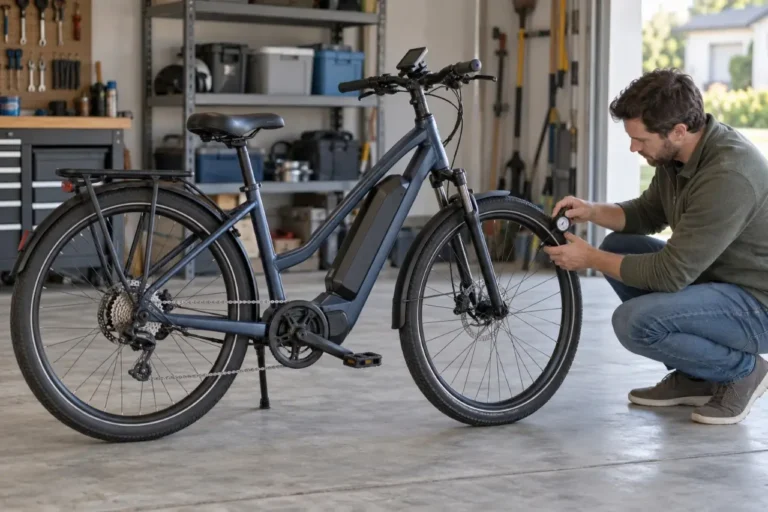
Before riding, check:
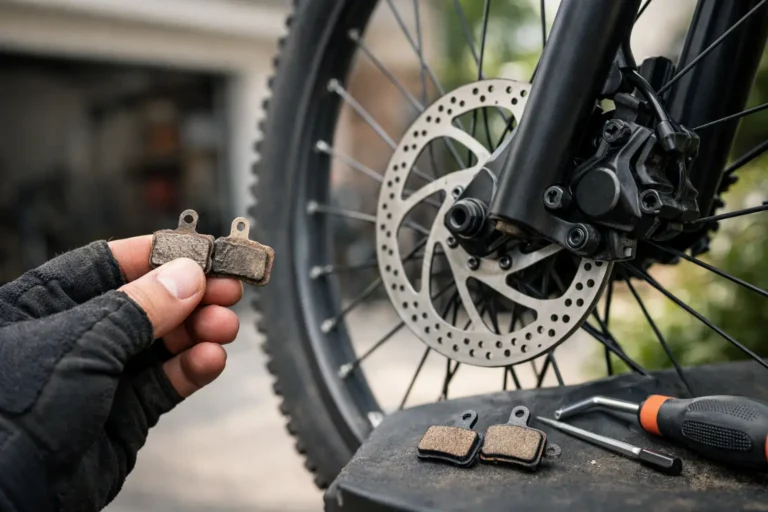
Higher speeds increase stopping distance, especially on wet pavement, gravel, leaves, or worn brake components.
When passing pedestrians or slower riders, slow down and provide a clear warning. On shared paths, a reduced passing speed is often safer and more respectful.
A Class 3 e-bike can be useful for longer road commutes where higher assisted speed is practical. However, it may be less suitable for routes with crowded shared paths, narrow trails, or locations with lower class limits.
The main trade-off is simple:
Choose an e-bike class that matches your typical routes, local regulations, and riding environment.
GoEBikeLife is reader-supported. We test and review e-bikes, create detailed comparisons, and publish practical buying guides for riders. Some links on this page are affiliate links, which means we may earn a commission at no extra cost to you.