Real rides. Real notes. No hype.

The TST R9 is a fast, moped-style 20×4 e-bike with a removable 48V battery and strong visibility features—great for commuting, but heavy.
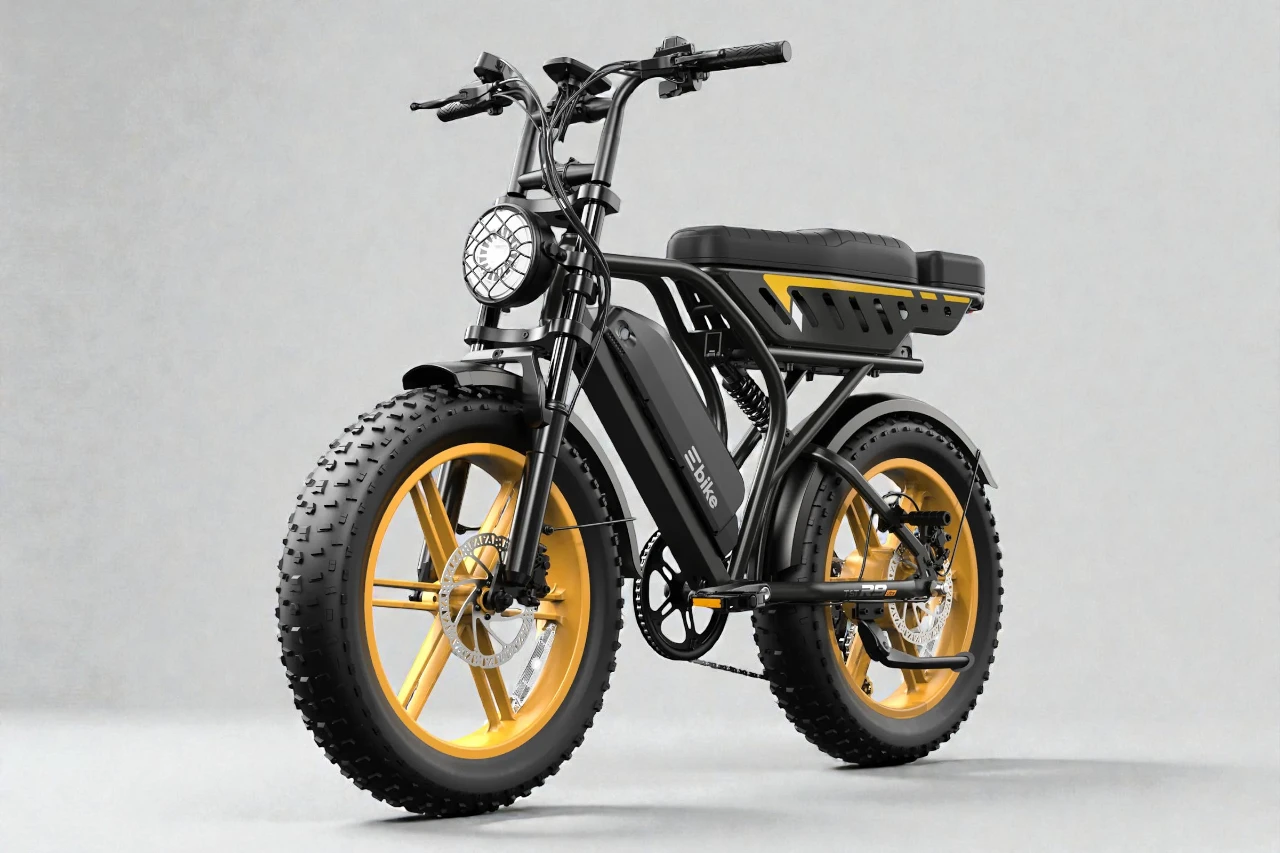
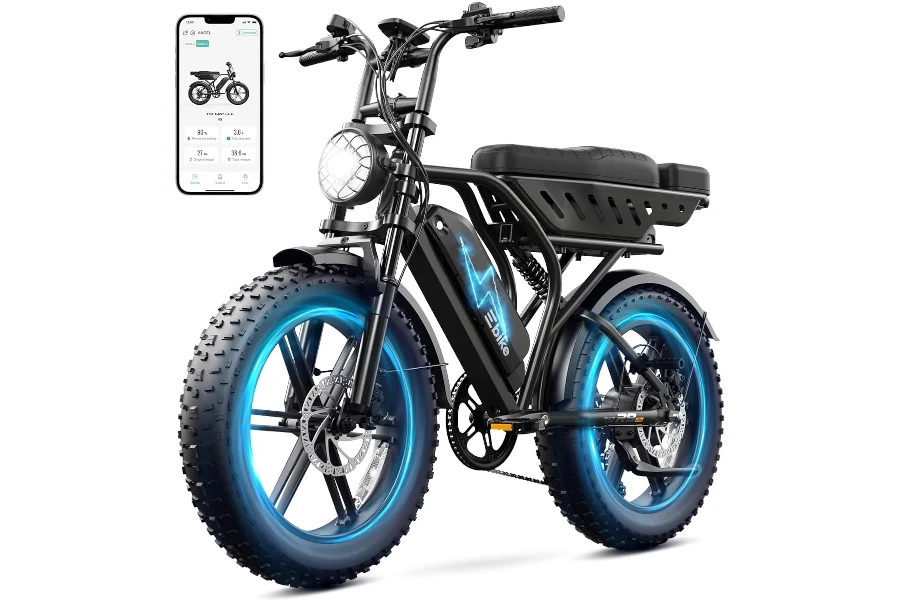
A confidence-inspiring moped-style e-bike for quick commutes and night riding—best if you don’t need to carry it upstairs.
The TST R9 is a moped-style, 20×4 fat-tire e-bike aimed at riders who want quick acceleration, stable cruising, and a more “sit-back” ride than a traditional bicycle-style commuter.
I tested it as a practical daily ride: short commutes, errands, and a few light trail/packed-dirt sections—exactly the kind of riding most people will do with this style of e-bike.
The big promise here is simple: 1500W peak power, up to 30 mph claimed top speed, and a removable 48V 15Ah battery—plus lighting and brake hardware that’s clearly trying to make higher-speed riding feel less sketchy.
One-sentence verdict: The TST R9 is a great choice for riders who want a fast, moped-style commute with strong safety features, but it’s not ideal if you need a light bike, pedal naturally, or carry it upstairs.
Biggest strength: It feels stable and confidence-inspiring at commuter speeds, with lighting/safety touches that actually matter.
Biggest trade-off: The R9’s weight and moped ergonomics reduce practicality (stairs, storage, and true pedal-first riding).
Category: Moped-style fat-tire commuter / light off-road
Motor: 1500W peak (claimed)
Battery & Range: 48V 15Ah removable; range varies heavily (more below)
Top Speed / Class: Up to 30 mph claimed (often not street-legal everywhere)
Weight & Payload: Very heavy (marketing shows ~96.56 lb) with high payload claim (~450 lb)
Best for: Faster commuting, night riding, casual light trails
The R9 is built around a “moped e-bike” formula: smallish 20-inch wheels with 4-inch fat tires, a longer seat, and a frame meant to feel sturdy under you rather than nimble.
That design choice changes the entire ownership experience:
TST positions it as a value-focused performance option—fast enough to feel exciting, but equipped with the basics commuters need (lights, display, brakes, removable battery, and gears).
| Spec | What you should know |
|---|---|
| Motor | 1500W peak claimed |
| Battery | 48V 15Ah removable (UL 2849 claimed) |
| Tires | 20×4 fat tires |
| Drivetrain | 7-speed |
| Brakes | Dual disc brakes (exact system varies by listing) |
| Suspension | Front suspension listed; marketing imagery also shows rear shock |
| Top speed | Up to 30 mph claimed |
| Frame | Carbon steel |
| Notable | Display, bright lighting, rear light/turn signal functions shown in marketing |
Note on configuration: Some pages market an “R9 dual-battery long range” package, while other listings show a single 48V 15Ah battery. Make sure you’re comparing the exact version you’re buying.
If your priority is getting places quickly and safely, the R9’s strengths make sense. I’d recommend it most to riders who:
On real streets, the R9’s best trait is that it doesn’t feel flimsy. It feels like it wants to go straight, stay composed, and keep you in control.
Let me be direct—these are the mismatch cases where buyers get disappointed:
What to buy instead:
The R9’s “1500W peak” claim shows up most in starts and merges. In stop-and-go commuting, it has that satisfying surge that makes intersections and traffic gaps less stressful.
What I noticed in daily riding:
If you’re a cautious rider, you’ll probably want to start with lower assist levels until you’re fully comfortable, because the bike’s personality leans “confident and quick.”
On moderate hills, it holds speed well for a moped-style e-bike. The combination of motor power and fat tires is helpful, but there’s a trade-off:
Practically, that means it’s better at short, punchy hills than grinding up long climbs at high speed without using more battery.
This is where the R9 surprised me—in a good way. At commuting speeds, it feels planted. The fat tires and longer seat position reduce the twitchiness you sometimes get on smaller-wheel bikes.
That said, there are two reality checks:
My sweet spot with this style of bike is usually “quick but not reckless”—fast enough to shorten the commute, slow enough to keep a margin for surprises.
A 48V 15Ah battery is a solid capacity on paper, but range claims are almost always optimistic. Marketing often assumes:
My realistic expectation (180 lb rider):
If you’re buying this bike for range, the smarter mindset is: plan for conservative range, and treat big numbers as best-case.
The moped-style seat and riding posture are the core comfort story here. It feels relaxed, and the bike doesn’t demand an aggressive forward lean.
What helped comfort most in my riding:
Where comfort can fall short:
Low-speed handling is fine, but you feel the bike’s mass. Tight turns and quick U-turns take a little planning.
At speed, stability is the highlight:
This was one of the strongest parts of my experience. The R9’s safety “package” is not just marketing fluff—brakes and visibility matter more when the bike is capable of higher speed, and this bike is clearly designed with that in mind.
What stood out:
My safety note: if you plan to ride faster regularly, double-check brake alignment and lever feel after a few rides and again after the first 10–20 miles. Many value e-bikes ship “close enough,” not perfectly dialed.
The display is straightforward: speed, assist level, and the basic ride info you actually use.
I like that the controls are simple enough that I’m not hunting through menus while riding. With gloves, button feel matters, and this setup is commuter-friendly.
Marketing also shows multiple riding modes (electric / assist / “ordinary cycling”). Real-world takeaway:
Marketing suggests it fits a wide height range (often shown around 4’5″–6’3″). In practice, moped-style bikes can be tricky because fit isn’t just seat height—it’s also reach, knee angle, and how the pedals line up with the seat.
At 5’10”, I felt like the overall size made sense. The bike didn’t feel cramped, and I could get comfortable quickly.
The bike is advertised as mostly pre-assembled (often around “85% pre-installed”). In my experience, that usually translates to:
Plan for a careful first setup rather than rushing it.
With 20×4 tires and disc brakes, wear items are common enough—good news for long-term ownership. The bike’s weight means you should keep up with:
Only rely on what the seller/brand provides in writing for your exact listing. For value e-bikes, support quality can vary by retailer even when the bike name is the same.
At minimum, expect the core basics: the bike and the battery (explicitly listed), plus a charger and printed materials depending on the seller. If you’re buying online, I recommend confirming the box contents on your specific listing before ordering.
If your commute includes stairs, office elevators, or frequent lifting, a lighter commuter is usually the better real-life choice.
Is the TST R9 good for hills?
It handles moderate hills well for commuting, but long climbs at high speed will drain the battery faster.
Is it comfortable for longer rides?
The seated, moped-style posture is comfortable for casual cruising. If you prefer active pedaling, it can feel less ergonomic over time.
Can shorter riders fit it?
Possibly, but shorter riders should focus on stop-and-go confidence and whether they can plant a foot comfortably at stops.
Is the battery removable / easy to charge?
Yes—this is one of the most practical features. Removable batteries are a big quality-of-life win.
How long does charging take?
Marketing often suggests several hours; real time depends on charger output and how empty the battery is. Expect an “overnight” mindset for routine charging.
What maintenance should I expect?
Brake checks (alignment and pad wear), tire pressure/condition, bolt checks, and general inspection are important—especially because it’s a heavy e-bike.
Is 30 mph street legal?
Not everywhere. Many areas cap e-bikes at 20 or 28 mph depending on class. Treat higher speed as off-road/private-road use unless your local rules allow it.
If you want a fast, moped-style ride that feels stable and safer than most value e-bikes at speed, the TST R9 makes a strong case. The brakes/visibility touches and sturdy ride feel are exactly what you want when a bike has real acceleration.
But you need to accept the compromise: it’s heavy, and it rides more like a compact moped than a bicycle. If portability, easy pedaling, or true trail performance matters most, you’ll be happier with a different category of e-bike.
Buy it if: you want a confident, quick commuter with practical safety features and don’t need to carry it often.
Skip it if: you need a lightweight bike, live upstairs, or want a traditional cycling experience.
| Preview | Product | Price | |
|---|---|---|---|

|
TS TST GRP LLC Electric Bike for Adults, 1500W Peak Ebike, 48V 15AH Waterproof Removable Battery… | $629 | View on Amazon |