Real rides. Real notes. No hype.

The FengQS Q8 feels quick off the line and climbs well for the price, but its weight, mechanical brakes, and 6–8 hour charge time shape ownership.
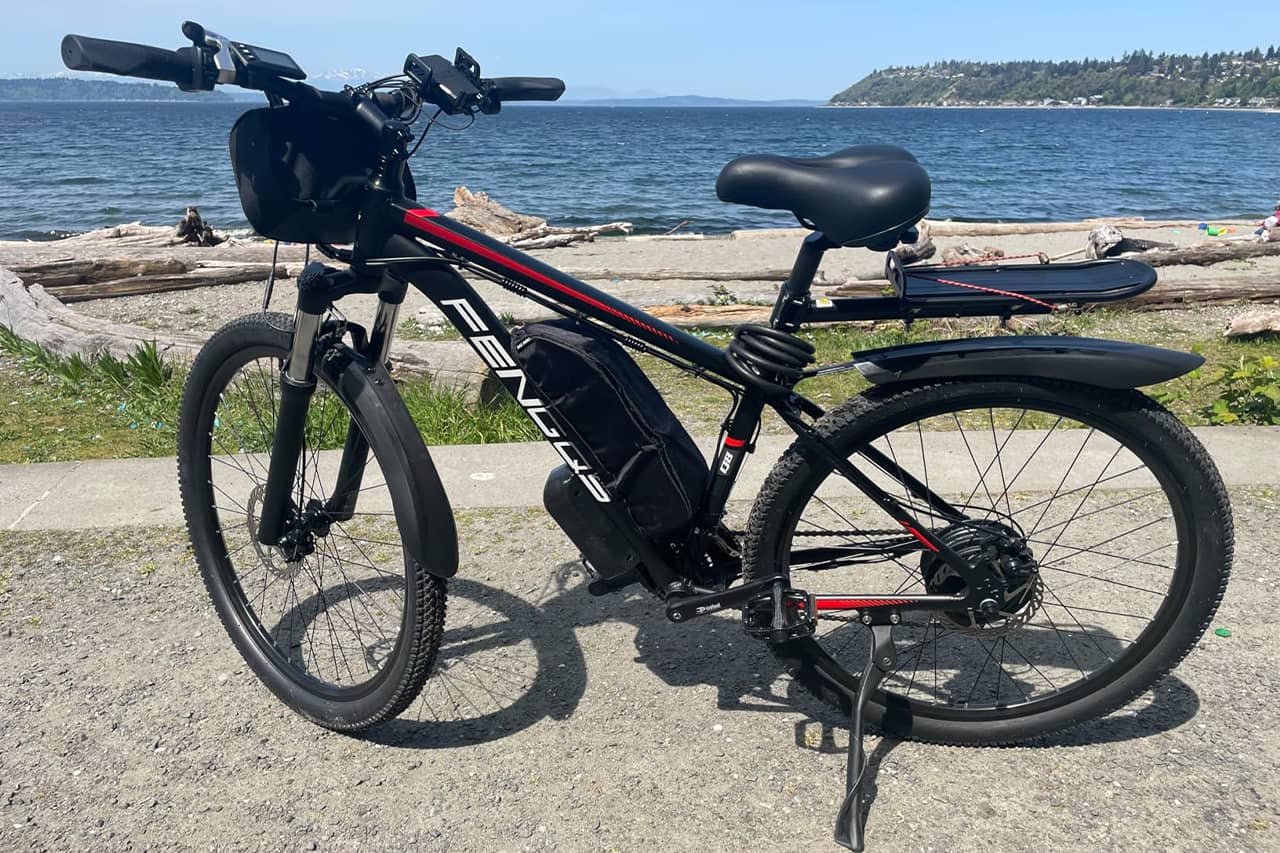
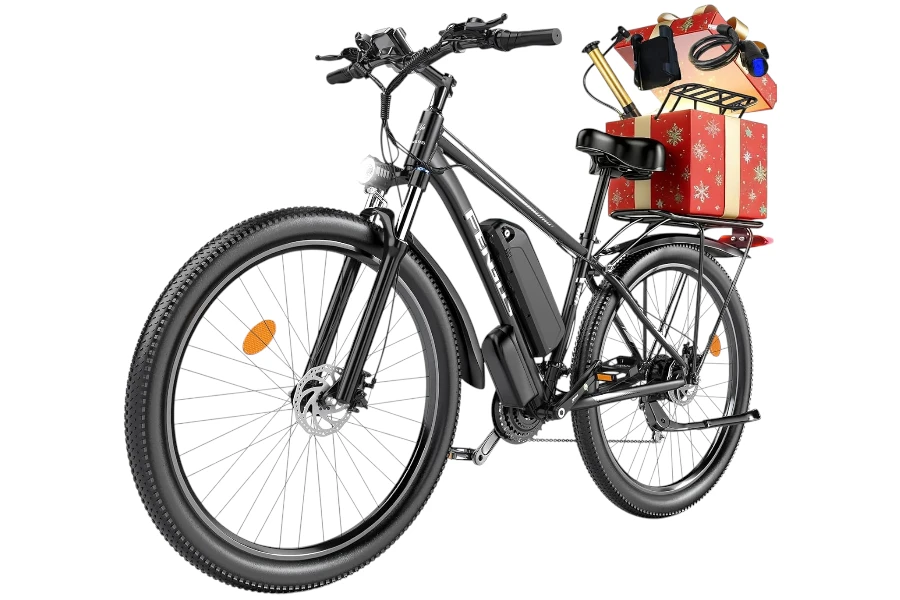
Punchy takeoff and a big 840Wh battery feel strong for the price, but weight, charge time, and mechanical brakes define the trade-offs.
The FengQS Q8 is a strong choice if you want a fast-feeling, high-capacity 48V e-bike for commuting and neighborhood hills, but it’s not a refined “premium control” ride due to its weight, basic mechanical brakes, and long charge time.
Bottom line: Buy it if you prioritize punchy acceleration and a large battery for the money; think twice if you need easy lifting, short charge windows, or confident high-speed braking.
Best for: Riders who want a quick takeoff, solid hill help, and commuter extras (rack, fenders, lights, phone mount) in one package.
3-line decision summary
The FengQS Q8 is built around a big 840Wh battery and a “fast” tune, and the ownership experience is mostly defined by power delivery, weight, and braking capability.
| Field | Value / Notes |
|---|---|
| Motor | 1000W rated / 2000W peak (marketing), tuned for punchy takeoff |
| Battery | 48V 17.5Ah (840Wh) removable battery |
| Claimed range | 35–80+ miles (brand claim) |
| Realistic range (tested style) | ~28–45 miles depending on assist and stops |
| Top speed | “32 mph+” claim; real-world feel supports class-3 pace, but not a lab top-speed test |
| Bike weight | Claimed ~54 lb (not weighed) |
| Payload capacity | 330 lb max recommendation |
| Brakes | Dual mechanical disc brakes (functional, not premium) |
| Tires | 27.5″ x 2.1″ commuter/MX style; balanced efficiency and stability |
| Suspension | Lockable front suspension fork (comfort helper, not MTB-grade) |
| Drivetrain | 21-speed gearing; useful on longer grades, needs tuning as cables bed in |
| Charge time | Commonly ~6–8 hours for a full charge in real use |
| Included extras | Rack, fenders, lights + turn signals, horn, phone mount w/ USB, pump/lock (varies by listing) |
| Typical price seen | ~$799.98 |
The Q8 makes the most sense when you treat it as a “fast commuter with a big battery,” not a lightweight apartment bike or a true mountain bike.
These are the practical limitations that show up in daily ownership, with clear “who / when / workaround.”
I tested the FengQS Q8 as a 5’10”, ~180 lb rider on typical neighborhood streets with rolling hills and rougher pavement sections—more “real commuting routes” than dedicated trail riding.
The Q8 feels tuned to deliver quick low-end pull, and that’s the main reason it feels “faster than expected” for the price.
The takeoff feels punchy and immediate, with a throttle response that wants to move now rather than easing in slowly. In practice, that’s helpful in traffic starts, but it also means beginners should spend time getting comfortable with smooth throttle inputs.
I focused more on controllability than chasing maximum speed, but the bike’s “fast” tune is obvious: it maintains a strong pace without feeling strained. For safety and local law compliance, it’s smarter to treat higher speeds as “situational” rather than the default.
On neighborhood hills, the motor held speed better than I expected in this price class, and the 21-speed drivetrain helped keep cadence comfortable on longer grades. The practical win here is reduced “grind”: you can choose an easier gear and let the motor assist without feeling like you’re fighting the bike.
The bike feels stable and predictable on pavement, with 27.5″ wheels giving it a planted, commuter-friendly feel. The trade-off is that the weight shows up in slow-speed maneuvering and when you have to move it off the bike—this is not a “light and flickable” ride.
The Q8’s battery capacity is a real advantage, but the honest range depends more on speed and riding style than the headline claim.
In my riding, a realistic window was ~28–45 miles (45–72 km). The lower end shows up with heavy throttle use, high PAS levels, frequent stops, headwinds, cold weather, or hilly routes. If you ride more gently and keep speeds moderate, you’ll live closer to the upper end of that range.
The removable battery design is practical for people who charge indoors, but the full-charge time commonly lands around ~6–8 hours, which is long enough that you need a routine (overnight charging or daytime top-ups). This is the type of bike where you don’t want to “wait until empty” before charging.
If you are around 180 lb and ride mixed real-world routes, expect 28–45 miles, not the marketing maximum—especially if you ride fast.
The Q8 is generally comfortable for typical commute-length rides, but long rides will expose the seat and setup choices.
Listings commonly position it for a wide height range (often around 5’3″–6’7″). At 5’10”, the riding position felt beginner-friendly and not cramped. Fit still depends on inseam and personal preference, so saddle height and handlebar angle matter more than the generic range.
The overall posture feels stable and “upright enough” for visibility, and the bike doesn’t feel twitchy. For longer rides, the saddle is the most likely comfort bottleneck—some riders will be fine, others will want a seat upgrade.
The front suspension takes the edge off rough pavement and small bumps, which reduces fatigue on typical city streets. It’s not the kind of fork that turns this into a true technical trail bike, but it does make day-to-day riding smoother.
The Q8 is safe to ride when properly adjusted, but the braking system is where the bike feels most “budget” relative to its speed potential.
Safety note: with a bike that can feel fast, braking distance and rider judgement matter more than the spec sheet. Treat “speed capability” as something you use selectively, not constantly.
The Q8’s build story is typical for a value-focused e-bike: several core parts feel solid, while finishing details depend on assembly and follow-up tightening.
The Q8 is straightforward to assemble, but it rewards a careful setup and a short “week one” check.
The Q8 is a good fit when your priorities match its real strengths, not just the headline claims.
Buy it if you are…
Skip it if you are…
Great fit only if…
If the Q8 is close but not perfect, these alternatives make sense depending on your priorities.
Better for: Riders who want a different wheel-size feel and an aggressive “speed/value” pitch.
Why it wins: Often positioned as a high-speed, long-range value option.
Why you might still pick the Q8: The Q8’s commuter extras and everyday setup may feel more “ready to live with,” depending on which listing you get and how you ride.
Better for: Budget-focused riders who want a simpler, more modest performance profile and lower buy-in.
Why it wins: Typically aims at practical commuting with less emphasis on extreme speed claims.
Why you might still pick the Q8: If you want the bigger battery class and the punchier feel, the Q8’s core concept is stronger.
Better for: Riders who prioritize comfort and stability from fat tires, especially on rough pavement or mixed surfaces.
Why it wins: Fat tires can smooth the ride and add confidence on loose surfaces.
Why you might still pick the Q8: The Q8’s 27.5″ x 2.1″ setup is usually more efficient and can feel less “draggy” for longer pavement commutes.
At around $799.98, the Q8 makes sense if your priority is power feel + battery capacity + included commuter kit, and you accept the weight and braking compromises.
Is the FengQS Q8 actually good on hills for a 180–220 lb rider?
It’s a strong climber for its class because the motor feels punchy and the 21-speed drivetrain helps manage cadence. Heavier riders will still see faster battery drain and should keep expectations realistic.
What’s a realistic range for the Q8?
For a ~180 lb rider on mixed real-world routes, ~28–45 miles is a realistic expectation depending on assist level, speed, and stops.
Is the battery removable and practical to charge indoors?
Yes, it’s designed as a removable pack. Practicality depends on where you store the bike and how convenient it is to carry the battery to your outlet.
How long does a full charge take?
Common real-world full charges take ~6–8 hours, so it works best with overnight charging or planned top-ups.
Do the mechanical disc brakes feel safe?
They can be safe when properly adjusted, but they don’t feel “premium,” and they demand more attention if you ride fast or brake hard often.
Is it comfortable for 60-minute rides?
Generally comfortable in posture and stability, but the saddle may become the weak point for some riders on longer rides.
Does it feel stable above 20 mph?
The bike’s handling is stable on pavement, but stability is only part of safety—braking confidence and rider judgement matter more as speed increases.
Is it suitable for real mountain biking?
It’s better described as a commuter/road-focused e-bike that can handle light gravel and imperfect pavement. The suspension helps comfort, but it’s not a technical trail platform.
What tends to rattle first?
Accessories and hardware (fenders, rack, kickstand, cockpit bolts) are the most common sources. A week-one bolt check usually resolves it.
Should I upgrade anything first?
If you ride fast or in traffic, brakes are the most meaningful upgrade category. If you ride longer distances, the saddle is the most common comfort upgrade.
My final take: The FengQS Q8 delivers punchy power and useful real-world range for the price, but it rides like a value-focused, heavy commuter—not a refined premium e-bike.
Best for: Riders who want quick acceleration, solid hills, and a large 840Wh battery with commuter accessories included.
Biggest downside: Weight plus “adequate-not-premium” mechanical braking becomes the limiting factor if you ride fast or need portability.
Smart buy if price is: Around $800, especially if you’re okay doing basic setup checks and planning charge time.
| Preview | Product | Price | |
|---|---|---|---|

|
2000W Ebike for Adults, 80 Mile 32MPH Electric Mountain Bike, 48V 840WH Aluminum Electric Bicycle… | $699 | View on Amazon |




I agree with your assesment of this electric bike, with one exception…nothing was mentioned about stopping.
The low grade pads and calipers are dangerous at best, I had many occasions where I thought the farm had been purchased.
I switched both disc calipers over to the Shimano Tourney, not top of the line but at least it stops now.
I feel that brakes are worth mentioning as a con in your report and would recommend to anyone buying this bike to change them immediately.
Otherwise, yeah, I’m a 60 year old ex-downhill mountainbiker, the body dosen’t work like it did when I was 25 and screaming downhill at 40mph….this bike allows me to enjoy a lot of that again with half the effort, just scared the living shirt out of me when i tried to stop the first time. You know, get on, grin, press lever and rocket off, was great….then stop sign…stop SIGN…STOP SIGN!
I also left all the accessories off…phone fits in my pocket, mud never hurt anyone and I ride stealth at night, that I can still do.
I give it 4 stars.
Hi David — thank you for taking the time to share this. You’re absolutely right: stopping power is non-negotiable, and it deserves a clear call-out in any e-bike review. Brake performance can vary a lot depending on factory setup, pad compound, caliper alignment, rotor true, and proper pad bed-in, and your experience is a good reminder that some units may ship with underwhelming hardware or tuning. I’m going to add an update to the review to highlight brakes as a potential downside and to recommend a safety check/upgrade for buyers who want stronger, more confident braking.
If you don’t mind sharing, what exact Shimano calipers/pads did you switch to (and rotor size)? That detail could help other readers. Appreciate the honest 4-star take — and glad the bike is letting you enjoy that downhill feeling again (with a lot less effort).