Real rides. Real notes. No hype.

This guide explains which electric bicycles under $500 offer the best balance of motor power, battery range, comfort, and everyday value.
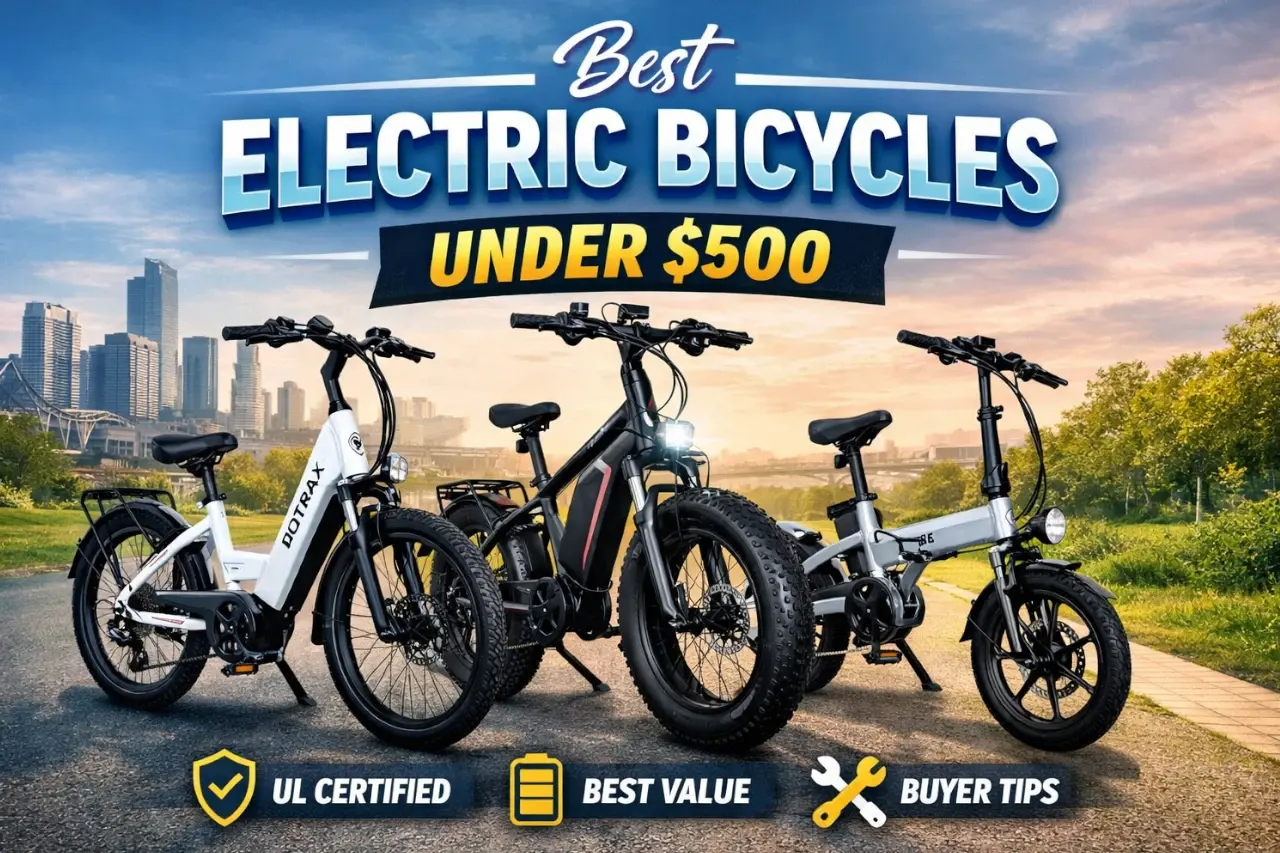
Buying an e-bike under $500 is absolutely possible—but the margin for error is smaller than in the $1,000+ tier. At this price, the “best” bike isn’t the one with the biggest claims; it’s the one that matches your commute, fits your storage reality, and won’t create constant maintenance headaches.
For this roundup, I prioritized practical commuting performance, safety signals (like UL listings when provided), battery convenience, braking basics, and brand support expectations—because under $500, ownership experience matters as much as speed or range claims.
Best overall pick: Gotrax Dolphin — A sensible, commuter-friendly step-thru with an aluminum frame and a more established support ecosystem.
Best value pick: Jasion YC1 — Strong everyday commuter spec set for the money and it’s listed as UL 2849 certified.
Who should buy from this list: Riders who want an affordable first e-bike for commuting, campus, errands, and casual weekend rides—mainly on pavement and light gravel.
Who may want to look elsewhere: Riders with steep daily hills, heavy cargo needs, frequent wet-weather riding, or who must carry the bike upstairs regularly.
| E-bike | Best for | Key strength | Main drawback |
|---|---|---|---|
| Gotrax Dolphin | City commuting + easy mounting | Step-thru comfort + aluminum frame | Smaller battery capacity vs some rivals |
| Jasion YC1 | Budget commuter value | Listed UL 2849 + higher claimed speed | Still a budget build; details vary by seller |
| Funhang EB-S1 | Rough roads + fat-tire stability | Bigger battery (48V 13Ah) + fat tires | Fat tires add weight/drag; not “light commuter” friendly |
| YOLOWAY YM1 | Faster cruising (on paper) | Listed UL 2849 + higher top speed claim | Higher-speed claims can stress budget brakes/components |
| Funhang EB-C2 | Step-thru daily errands | Step-thru + practical commuter setup | Heavier (listed ~62.8 lb) for stairs/racks |
| DTTZH A12 (folding) | Tiny storage + short hops | Folding + high-capacity options listed | Very aggressive speed claims; 14″ handling can feel twitchy |
| Jasion EB5 | Simple commute + lighter handling | Listed 49.6 lb + simple, familiar layout | No UL listing mentioned in your provided info |
| Totem Victor | Riders who want more gears | 21-speed drivetrain | Brand/support clarity varies; still budget brakes |
| RPINT E500 | 20″ fat tire “mini adventure” | Listed UL 2849 battery + 20″ stability | At the $500 ceiling; range/speed depend heavily on use |
| ESKUTE M200 | “Spec-heavy for cheap” shoppers | Very low listed price + NFC unlock | Big claims at a very low price = higher risk; verify carefully |
For most people shopping under $500, the win is a bike that feels easy to live with: comfortable mounting, reasonable speed (20 mph class), decent braking basics, and a brand that’s more likely to have responsive support. The Dolphin’s step-thru layout and aluminum frame are meaningful ownership upgrades at this price.
It’s built around real commuting behavior: start/stop riding, casual cruising, and moderate distances. The smaller battery (listed 280.8Wh) won’t win range contests, but it’s a reasonable trade for a cleaner commuter package.
If your route is longer, windy, or you ride faster, you’ll feel the battery limitation sooner. Also, under-$500 suspension forks tend to be “edge softeners,” not true trail suspension.
| Pros | Cons |
|---|---|
| Step-thru makes daily use easier | Smaller battery vs 48V/13Ah options |
| Aluminum frame (nice at this price) | 20 mph cap may feel slow to some |
| Listed UL 2849 | Range claims depend heavily on PAS level |
Commuters and casual riders who want an approachable, low-drama e-bike for pavement, bike lanes, and neighborhood errands.
If you need longer range, frequent high PAS, or have hilly routes, look for bigger Wh batteries (and ideally better brakes).
At the listed price, the YC1 looks like a strong “first real commuter e-bike” option. It’s stated to have a 360Wh battery, a 750W peak motor, and it’s listed as UL 2849 certified—which is a meaningful signal in budget shopping.
For city riding, the narrower tires and commuter shape usually mean easier handling and less rolling drag than fat tires. The battery is removable (listed), which is a big deal if you live in an apartment.
The higher speed claim (up to 25 mph) puts more demand on braking and build quality. With budget bikes, I’d treat top-speed claims as “possible,” not “effortless every day.”
| Pros | Cons |
|---|---|
| Listed UL 2849 | Higher-speed use stresses budget components |
| Removable battery convenience | Suspension quality typically basic in this tier |
| Commuter-friendly tire width | Verify fit/geometry details before buying |
Budget commuters who want a more bicycle-like feel than fat-tire models—and care about having a stated UL listing.
If you’re heavy, riding steep hills daily, or need confident braking at higher speeds, consider saving for a higher-tier build.
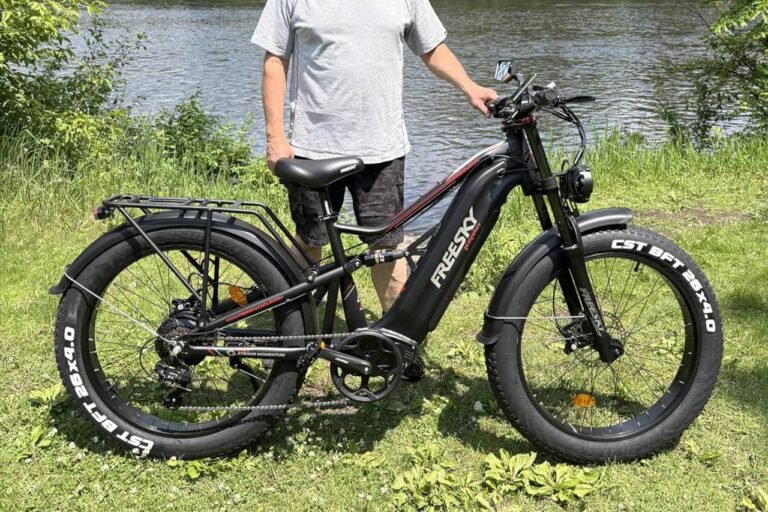
If your roads are broken, your commute includes gravel, or you simply want more stability, a 26″ x 4.0″ fat tire setup can be very forgiving. The EB-S1 also lists a 48V 13Ah battery (larger capacity than many commuter models here) and states UL 2849 / UL 2271 recognition.
The larger battery capacity and fat tires generally translate into a bike that feels less fragile about surface quality—potholes, cracked pavement, and loose surfaces are less stressful.
Fat tires cost you something: weight, drag, and storage hassle. If you carry your bike upstairs or want a quick, nimble commuter, this style can feel like overkill.
| Pros | Cons |
|---|---|
| Bigger battery capacity than many here | Fat tires add drag and bulk |
| More forgiving on rough surfaces | Not ideal for tight indoor storage |
| Listed safety certifications | Budget fork + brakes still limit true trail use |
Riders who want a stable “all-conditions” feel for mixed pavement/gravel and casual off-road.
Apartment stair carriers, small storage situations, and riders who want a light, efficient commuter.
On paper, the YM1 is the “faster cruiser” option (28 mph claim) and it’s listed as UL 2849 certified. That combination is attractive—just remember: speed is only fun if braking and handling keep up.
If you truly need a bit more pace on open paths (and local laws allow it), the YM1 is positioned for that. The listed battery capacity is also competitive.
Budget e-bikes that claim higher speeds can feel under-braked or less composed at speed. If you buy this style, plan to ride conservatively until you know how it stops and tracks.
| Pros | Cons |
|---|---|
| Listed UL 2849 | Higher-speed riding raises safety demands |
| Competitive battery capacity | Verify brake feel and setup carefully |
| Good “open-road” concept | Tire grip and wet braking matter more at speed |
Confident riders on flatter routes who want more speed potential and are diligent about setup and maintenance.
New riders, wet-weather commuters, or anyone who prioritizes maximum stability over speed.
Step-thru frames are underrated—especially for daily errands, stop-and-go riding, and riders who don’t want to swing a leg over a high top tube. The EB-C2 also lists UL certification and a commuter-friendly accessory package (rack, fenders, lights).
This is the kind of bike that fits “real life”: commuting, groceries, casual rides, and less fuss. The included commuter accessories reduce hidden costs.
It’s listed at ~62.8 lb, which is a real problem if you do stairs, lifting onto car racks, or tight storage.
| Pros | Cons |
|---|---|
| Step-thru convenience | Heavy for frequent lifting |
| Practical commuter accessories | Not a “fast sporty” ride |
| Listed UL certification | Budget fork and brakes need good setup |
Errands, commuting, and comfort-first riders.
Anyone who must carry the bike regularly or wants a lighter, more nimble feel.
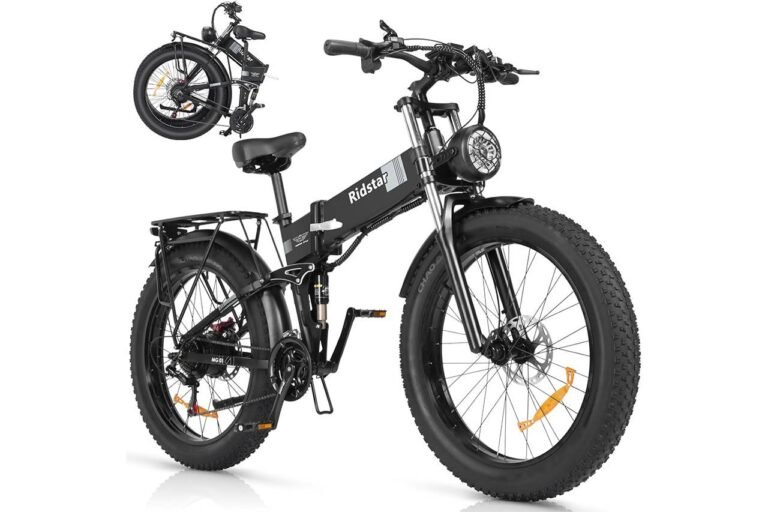
If space is your #1 constraint, a folding bike can be the difference between owning an e-bike and not owning one. The A12 is clearly aimed at “small wheels, small storage, big claims.”
For apartment dwellers and short-hop commuters, folding bikes can be incredibly convenient. Being able to tuck it under a desk or in a trunk matters.
Be cautious with extreme speed and hill claims—especially on 14″ wheels, where handling can feel more sensitive. This category is best used as a compact commuter, not a high-speed machine.
| Pros | Cons |
|---|---|
| Compact storage advantage | Aggressive speed claims deserve caution |
| Folding convenience for urban life | Small wheels can feel twitchy on rough roads |
| Listed certifications | Confirm real-world support and parts availability |
Short-to-medium commutes where storage is tight.
Riders who want high-speed stability, long-distance comfort, or a “normal bike” ride feel.
The EB5 is a straightforward entry commuter: 26″ wheels, front suspension, 7-speed, and a removable battery. It also lists a relatively manageable 49.6 lb weight, which can matter a lot in daily ownership.
This is the “don’t overthink it” choice for riders who want basic commuting help without chasing higher speeds.
Your provided info doesn’t mention UL listing here. Under $500, I treat clear safety signals as a real plus when available.
| Pros | Cons |
|---|---|
| Straightforward commuter setup | No UL listing mentioned in your info |
| Listed ~49.6 lb can be more manageable | Entry-level brakes/suspension expectations |
| Removable battery convenience | Range varies heavily with throttle use |
Budget commuters who want a simple, traditional 26″ e-bike layout.
If you prioritize UL listing, higher speeds, or heavier-duty components, look to other picks here.
A 21-speed drivetrain can help riders fine-tune cadence on varied terrain—especially if you pedal without max assist often.
More gear range can make a budget e-bike feel more adaptable—particularly on rolling terrain.
As with many budget brands, support and long-term parts clarity can be the question mark. Also, mechanical brakes require good setup and periodic adjustment.
| Pros | Cons |
|---|---|
| Wider gearing range | Support/parts clarity varies by seller |
| Familiar 26″ commuter shape | Mechanical brake adjustment is part of ownership |
| Removable battery convenience | Not designed for aggressive off-road |
Riders who care about pedaling efficiency and gear range.
If you want the least maintenance fuss and maximum brand clarity, stick to more established options.
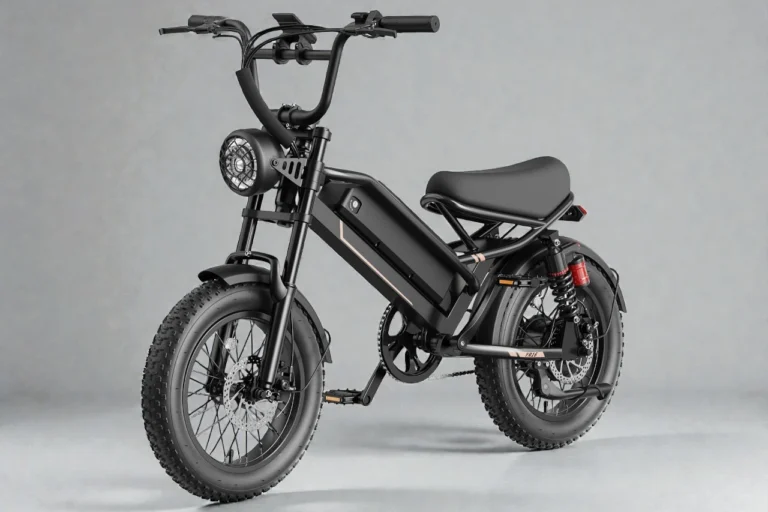
If you want a compact-ish fat tire e-bike and you’re okay spending right up to $500, the E500 has a focused pitch: 20″ fat tires, 48V 15Ah battery, and a listed UL 2849 certification for the battery.
A 15Ah battery is appealing at this budget cap, and 20″ wheels can feel stable at moderate speeds while keeping the bike shorter overall.
This is a “claims-forward” bike. At higher speeds, you’ll want to be extra strict about brake setup, tire pressure, and fastener checks—because budget tolerances matter more.
| Pros | Cons |
|---|---|
| Larger listed battery capacity | At $500, still a budget component mix |
| Compact fat tire concept | Higher-speed use demands careful safety setup |
| Listed UL 2849 battery | Verify real support and replacement parts access |
Riders who want a compact fat-tire feel and prioritize battery size.
If you want calm, low-maintenance commuting—go with the simpler commuter picks.
The listed price is extremely low relative to the claims (1200W peak, 28 mph, NFC unlock, 55 miles PAS). If it’s real and well-supported, it’s a huge value. But under $500, unusually aggressive pricing often means higher uncertainty around long-term ownership.
If you’re comfortable verifying seller support, warranty handling, and parts availability, the features list is compelling for the money.
This is the kind of buy where you should be extra disciplined: inspect assembly, confirm what’s actually included, and plan for possible support friction.
| Pros | Cons |
|---|---|
| Very low listed price | High uncertainty: verify carefully |
| NFC unlock is a nice security touch | Big claims can hide compromises |
| 21-speed drivetrain | Support quality matters more than specs |
Experienced buyers who know how to vet sellers and do basic setup/maintenance checks.
First-time e-bike buyers who want a predictable ownership experience.
If a listing clearly states UL 2849 (whole e-bike) or UL 2271 (battery), that’s a meaningful data point. Not perfect, but better than silence.
Budget mechanical discs can work well if set up correctly. Tire width also changes the whole ride:
A 60+ lb e-bike can be miserable on stairs or racks. If your daily life includes lifting, prioritize lighter builds even if specs look smaller.
28 mph claims are common; stable braking and predictable handling at that speed are less common under $500. If you’re new, a calmer 20 mph commuter can be the smarter buy.
If you want the most balanced, lowest-drama purchase, the Gotrax Dolphin is my best overall pick because it’s built around commuting practicality (step-thru comfort, reasonable speed, listed UL 2849, aluminum frame).
If your priority is value-per-dollar and you want a listed UL signal at a lower price, the Jasion YC1 is the best value pick—especially for everyday commuting and errands.
If you need comfort on rougher surfaces, the Funhang EB-S1 is the fat-tire pick that makes sense—just accept the bulk and weight trade-offs.
| Preview | Product | Price | |
|---|---|---|---|

|
Gotrax 26″ Electric Bike, Max Range 30Miles(Pedal-assist1) & 15.5/20Mph Power by 250/350W, 3 Riding… |
$549
$494 |
View on Amazon |
Are e-bikes under $500 actually worth it?
Yes—if you keep expectations realistic and buy for commuting/errands, not high-speed performance.
How far can I really ride on a budget e-bike?
Range varies most by speed, rider weight, hills, and tire type. Expect big drops if you rely heavily on throttle.
Should I prioritize UL 2849?
If it’s clearly listed in the product info, it’s a strong plus in this price tier.
Is a fat-tire e-bike better for beginners?
It can be—fat tires feel stable and forgiving. The downside is weight and efficiency.
What’s the biggest mistake buyers make under $500?
Buying for the biggest speed/range claim instead of considering braking, weight, and support.
Do I need suspension?
Front suspension helps on broken pavement. Don’t expect “trail suspension” performance at this price.