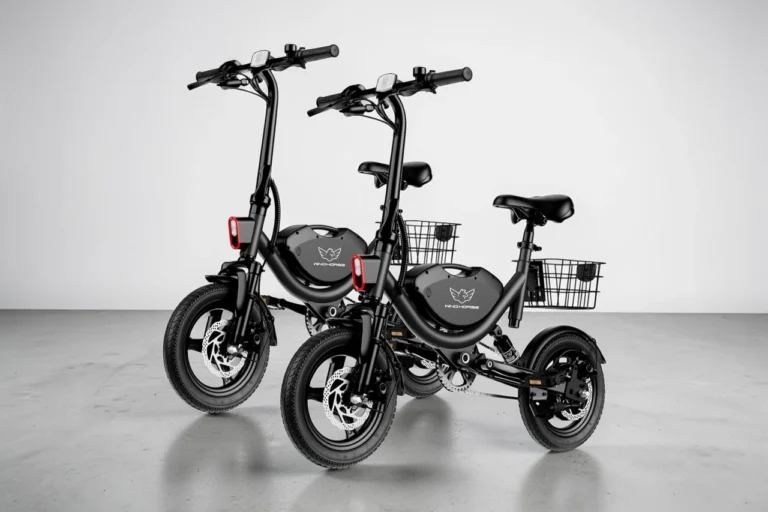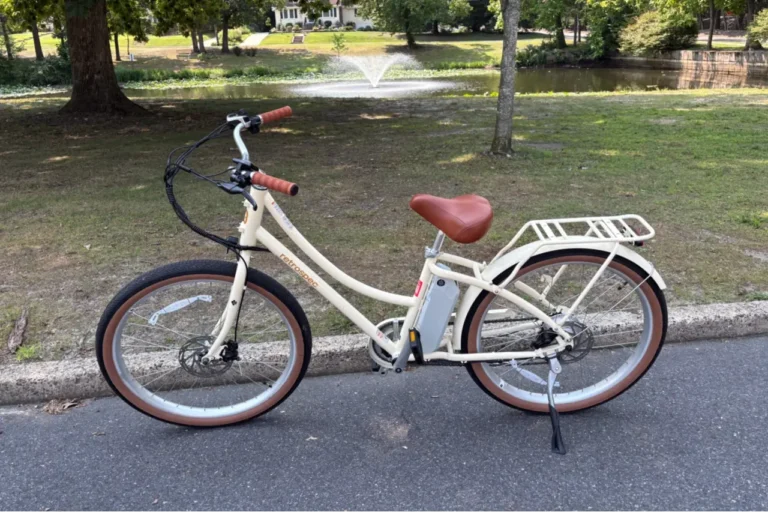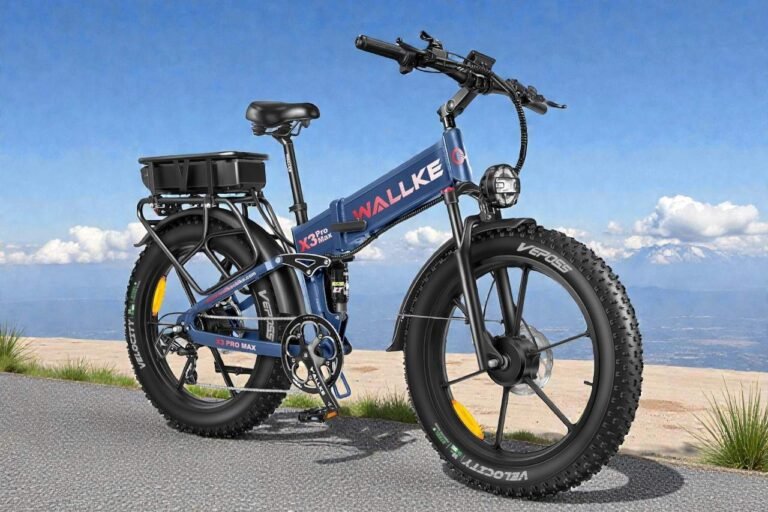
Finding a reliable electric bike under $1,000 is genuinely possible in 2026, but the sub-$1,000 market comes with real trade-offs that every buyer should understand before clicking “add to cart.” At this price, you are balancing motor output, battery range, braking quality, and frame durability against cost, and knowing where each model cuts corners helps you choose the right one for your needs.
At GoEBikeLife, we evaluate budget e-bikes the same way a daily commuter would: by testing real-world range, assessing build quality, weighing assembly ease, and checking certifications like UL2849 that signal a basic level of battery safety. This guide compares six models across those criteria so you can make a confident, informed decision.
A few honest caveats apply to every bike in this category. Advertised range figures assume light rider weight, flat terrain, low assist levels, and ideal temperatures. In practice, expect 30 to 50 percent less range if you are heavier, riding hills, using full throttle, or riding in cold weather. Motor “peak” wattage is not the same as continuous wattage, and braking systems matter enormously at speeds above 20 MPH.
Best for fat-tire off-road riding: TST Electric Bike for Adults
Best for folding commuter use: Gotrax R1 Folding Electric Bike
Best for city commuting range: Cybervelo 26″ Electric Bike
Best for foldable trail riding: Jasion X-Hunter Foldable Ebike
Best for motorcycle-style design: Qlife Spark Electric Dirt Bike
Best for high-power AWD performance: ANDSKY Apex50 Dual Motor Ebike
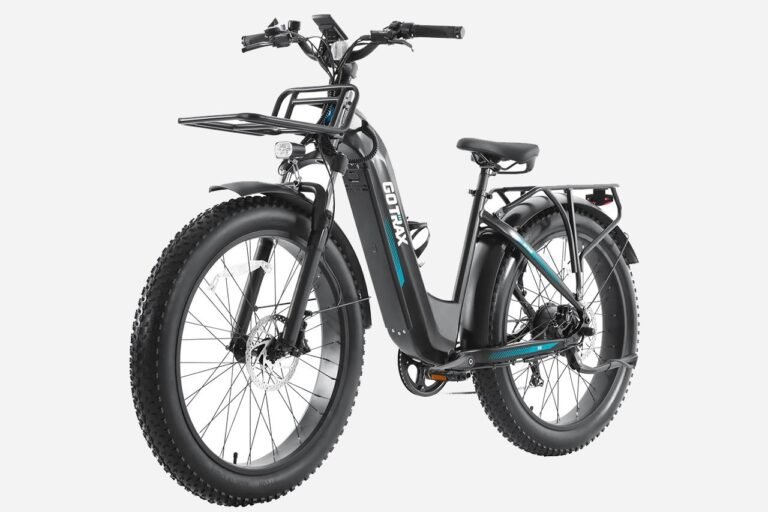
Best for heavier riders needing range and step-thru design: Aipas M1 Pro
Best for teens and younger riders: ESKUTE V100 Electric Dirt Bike
1. TST 1500W Peak Fat Tire Electric Bike

The TST fat tire e-bike is aimed at adults who want a capable off-road or mixed-terrain ride without spending premium prices. Its 20-inch fat tires and full dual suspension make it more comfortable on gravel, dirt paths, and uneven urban streets than most bikes in this range.
Key Specs:
| Spec | Detail |
|---|---|
| Motor | 750W continuous / 1500W peak |
| Battery | 48V 15Ah removable |
| Estimated Range | Up to 40 miles (throttle) / 60 miles (PAS) |
| Tire Size | 20″ x 4″ fat tires |
| Brakes | Mechanical disc |
| Speeds | 7-speed |
| Weight Capacity | 450 lbs |
| Frame | Aluminum |
| Certification | SGS / UL2849 |
The 450-pound weight capacity is notably high for this price category, making it one of the few budget options suited to heavier riders. The removable 48V 15Ah battery charges in 6 to 7 hours, and the battery holds the UL2849 safety certification, which is worth noting for any buyer concerned about lithium battery safety.
Mechanical disc brakes are a step below hydraulic, meaning braking force requires more hand effort at speed. Assembly is 90 percent pre-done, and reviewers generally find the remaining steps manageable. The 180-day warranty is shorter than competitors offering a full year.
Real-world range will likely land closer to 30 to 40 miles for an average-weight rider using mid-level pedal assist on flat pavement. Fat tires increase rolling resistance, which reduces range compared to narrower-tire commuter models.
Verdict: A well-rounded fat-tire option for riders who want off-road capability and a high weight limit at a competitive price. The short warranty and mechanical brakes are the main drawbacks to weigh.
2. Cybervelo 26″ Electric Bike

The Cybervelo is built for riders who prioritize range and smooth city riding over rugged terrain. Its 26-inch wheels and traditional frame geometry feel familiar to anyone coming from a standard bicycle, and the 80-plus mile advertised range is among the highest claims in this price bracket.
Key Specs:
| Spec | Detail |
|---|---|
| Motor | 750W continuous / 1000W peak |
| Battery | 48V (10,400 mAh) |
| Estimated Range | Up to 80+ miles (PAS mode) |
| Tire Size | 26″ x 1.95″ |
| Brakes | Mechanical disc with EABS |
| Speeds | 7-speed |
| Weight Capacity | 350 lbs |
| Frame | High Carbon Steel |
| Suspension | Front fork only |
The EABS (Electronic Anti-lock Braking System) paired with mechanical disc brakes gives this bike a safety edge over single-brake-system competitors. The carbon steel frame is heavier than aluminum but generally durable. Front-only suspension means rear impacts transfer directly to the rider, so it is best suited to smooth pavement.
The 350-pound weight limit is lower than some competitors. The narrower 1.95-inch tires are efficient on paved roads but offer less traction on loose surfaces. One verified reviewer notes the seat could benefit from added height adjustment range for shorter riders.
The 1-year warranty is a genuine advantage over many rivals in this price tier.
Verdict: A strong commuter pick for city and suburban riders who need solid range, a familiar riding feel, and a full-year warranty. Not the right choice for gravel or trail riding.
3. Gotrax R1 Folding Electric Bike


The Gotrax R1 is the compact, foldable option in this group. At 45 pounds, it is the lightest bike we cover here, and its folded dimensions fit in most car trunks and many apartment storage spaces. It is best suited to commuters who combine e-biking with public transit or who need to store the bike indoors.
Key Specs:
| Spec | Detail |
|---|---|
| Motor | 350W continuous / 500W peak |
| Battery | 48V 7.8Ah |
| Estimated Range | Up to 15.5 miles (pure electric) / 25 miles (PAS) |
| Tire Size | 20″ x 2.6″ |
| Brakes | Dual disc |
| Speeds | 5-speed |
| Weight Capacity | 264 lbs |
| Frame | Aluminum |
| Certification | UL2849 |
The UL2849 certification is a meaningful safety signal. The folded size of roughly 37 x 18 x 28 inches is genuinely compact, and multiple reviewers confirm it fits easily in a car trunk. Charging takes about 5.5 hours.
The 500W peak motor and smaller battery mean this is not a long-range or high-speed machine. Range drops noticeably with heavier riders or on hilly terrain. The 264-pound weight capacity is the lowest in this group. Rigid rear suspension also limits comfort on rough roads.
The 180-day warranty covers manufacturer defects and Gotrax offers 365-day parts support plus 24/7 customer service, which is reassuring for first-time e-bike owners.
Verdict: The R1 is the right pick for lightweight commuting, campus travel, and multi-modal trips. For heavier riders or those needing longer range, a different model in this guide will serve better.
4. Jasion X-Hunter Foldable Fat Tire Ebike

The Jasion X-Hunter combines a foldable frame with fat tires and dual suspension, a combination that is rare in the sub-$1,000 category. It targets riders who want trail versatility and storage convenience at the same time.
Key Specs:
| Spec | Detail |
|---|---|
| Motor | 1400W peak brushless |
| Battery | 48V 13Ah removable (624 Wh) |
| Estimated Range | 55 to 70 miles (PAS mode) |
| Tire Size | 20″ x 4.0″ fat tires |
| Brakes | Mechanical disc |
| Speeds | 7-speed |
| Weight | 71 lbs |
| Frame | Aluminum |
| Suspension | Dual (80mm front air fork + rear shock) |
| Certification | UL2849 |
The 80mm front air suspension fork is a genuine upgrade over basic spring forks found on most budget bikes. The rear shock adds meaningful comfort on bumpy trails. Folded dimensions of 33 x 16 x 30 inches allow storage in tight spaces, though at 71 pounds the bike is heavy to lift into a vehicle.
The 1-year warranty is competitive. One reviewer flags battery performance inconsistency, so range results may vary more than on bikes with more user reviews. The advertised 30 MPH top speed has been disputed in at least one user review, with real-world sport-mode speeds reportedly closer to 22 MPH.
Verdict: A capable trail-oriented folder for riders who need compact storage without sacrificing suspension comfort. Weight is the main compromise for transit-based commuters.
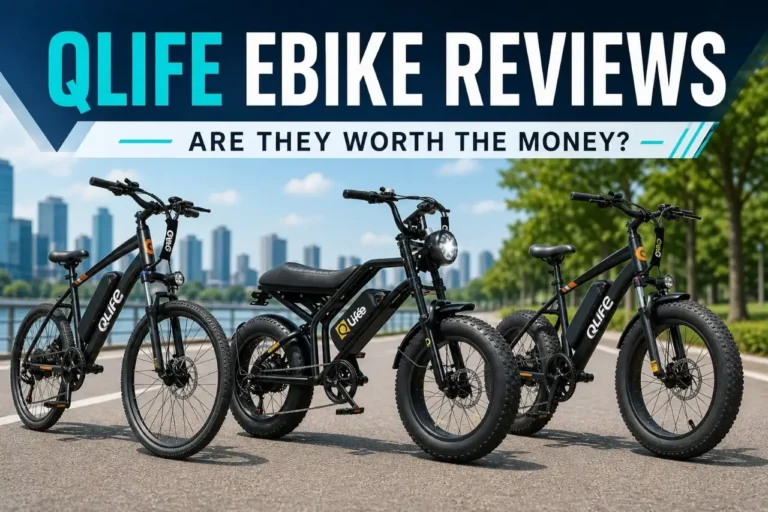
5. Qlife Spark Electric Dirt Bike
The Qlife Spark takes a motorcycle-style approach to e-bike design. It is aimed at riders who want a bold aesthetic combined with genuine off-road performance, including a 1800W peak motor, dual suspension, and a large removable battery.
Key Specs:
| Spec | Detail |
|---|---|
| Motor | 1800W peak brushless |
| Battery | 48V 15.6Ah (UL2849 certified) |
| Estimated Range | Varies by mode and weight |
| Tire Size | 20″ x 4.0″ fat tires |
| Brakes | Motorcycle-grade dual disc |
| Speeds | 7-speed |
| Frame | Carbon Steel |
| Suspension | Full dual suspension |
| Riding Modes | 4 modes |
| Certification | UL2849 |
The motorcycle-grade dual disc brakes and four riding modes stand out in this price range. The center-mounted color LCD display is a premium touch. The 48V 15.6Ah battery is one of the largest in this group and carries UL2849 safety certification.
The carbon steel frame adds weight versus aluminum alternatives. One reviewer mentions a battery failure early in ownership, so quality control may vary between units. The assembly instructions have been criticized as unclear in at least one review, which could frustrate first-time builders.
The 1-year manufacturer warranty provides reasonable coverage.
Verdict: The Qlife Spark rewards riders who prioritize looks, power, and off-road performance. Factor in the heavier frame and potential assembly complexity before purchasing.
6. ANDSKY Apex50 Dual Motor E-Bike

The ANDSKY Apex50 is the most powerful and most specialized bike in this guide. Its dual motor, all-wheel drive system and hydraulic brakes push it to the edge of the sub-$1,000 category and are aimed squarely at off-road and high-performance riders.
Key Specs:
| Spec | Detail |
|---|---|
| Motor | Dual motor / 9000W peak combined |
| Battery | 52V/48V 25Ah removable (1300 Wh) |
| Estimated Range | Up to 110 miles (claimed) |
| Tire Size | 26″ x 4″ fat tires |
| Brakes | Dual-piston hydraulic disc |
| Speeds | 7-speed |
| Frame | Aluminum |
| Suspension | Full (front + mid-mounted rear) |
| Top Speed | 40 to 47 MPH (claimed) |
| Certification | UL2849 |
Hydraulic disc brakes are a significant safety upgrade over the mechanical disc systems found on every other model in this guide. They require less hand effort and provide more consistent stopping power at high speeds. The AWD dual-motor drive adds traction on sand, snow, and steep climbs.
With only 30 ratings at time of writing, the reliability data is thinner than for other bikes here. Several reviewers note that included accessories fit poorly. The claimed 40 to 47 MPH top speed and 110-mile range are extraordinary numbers, and real-world results will depend heavily on terrain, rider weight, and assist settings.
The 1-year warranty is standard, and the included accessory bundle (pump, mirrors, bags, lock) adds practical value.
Verdict: For riders who genuinely need AWD capability, hydraulic brakes, and maximum power in a fat-tire format, the Apex50 is compelling. Buyers seeking a simple daily commuter should consider a less complex option from this list.
7. Aipas M1 Pro Electric Mountain Bike

Best for heavier riders and those who want a step-thru frame with strong motor output and long-range battery.
The Aipas M1 Pro combines a step-thru frame with a 450-pound payload rating, 110Nm of torque, and a 48V 17.5Ah battery. It is one of the more well-rounded options for riders who want both urban and light trail capability.
Key specs:
| Spec | Detail |
|---|---|
| Motor | 1800W peak (750W rated), 110Nm torque |
| Battery | 48V 17.5Ah (840Wh) |
| Estimated Range | Up to 85 miles (claimed) |
| Tire Size | 26″ x 4″ fat tires |
| Brakes | 180mm mechanical disc |
| Speeds | 7-speed |
| Suspension | Dual (lockable front fork) |
A 72-year-old buyer noted the bike eliminated hill-climbing difficulty after years away from cycling. The USB charging port on the controller is a practical commuter bonus. A rear basket is included.
The 85-mile range is achievable only at PAS 1 on flat terrain. Expect 35 to 50 miles in typical mixed use. Multiple reviewers note the bike is heavy, making it harder to lift into vehicles or carry up stairs. Safety certification is not prominently disclosed in the listing.
| Strength | Limitation |
|---|---|
| 450 lb payload and step-thru frame | Heavy, hard to lift |
| 110Nm torque for hills | Range overstated at higher assist |
| Rear basket included | UL certification not clearly listed |
8. ESKUTE V100 Electric Dirt Bike

The ESKUTE V100 uses a smaller 16-inch wheel size, which lowers the standover height and makes it more accessible for younger teens and shorter adults. It has a moped-style frame and 1500W peak motor that gives it real performance despite the compact build.
Best for: Teens, shorter adults, or parents looking for a capable entry-level e-bike for a young rider under close supervision.
The 48V 13Ah battery provides up to 60 miles in PAS mode per the manufacturer, though buyer reports suggest real-world range closer to 20 miles in mid-level assist. The dual suspension system and 16×4.0-inch fat tires handle light trails and urban streets reasonably well.
| Spec | Detail |
|---|---|
| Motor | 1500W peak |
| Battery | 48V / 13Ah |
| Rated Range | Up to 60 miles (PAS) |
| Wheel Size | 16 inches / 4.0″ wide |
| Min Rider Height | 5.1 feet |
| Frame | Carbon steel |
| Brakes | Dual disc |
| Speeds | 7-speed |
Strengths:
- Lower standover height suits shorter riders and teens
- Dual suspension for comfort on mixed surfaces
- Bold design appeals to younger riders
- Competitively priced for the motor output
Limitations:
- Real-world range is significantly lower than manufacturer claims per buyer feedback
- Seat comfort is a noted issue on longer rides
- One buyer reported a rear wheel defect on arrival
- Not suited for adult riders who need a full-size frame
The V100 works well as a gift bike or a first e-bike for a teenager. Adults looking for a primary commuter should consider one of the larger-wheeled options in this guide.
Buying Guide
Choosing an e-bike under $1,000 means making real trade-offs. Knowing which specs matter most for your specific riding situation saves money and frustration.
Motor Power: Continuous vs. Peak
Every brand advertises “peak” wattage, but the continuous wattage is the number that affects everyday performance. A 750W continuous motor outperforms a 350W continuous motor in hill climbing and sustained speed, regardless of what the peak figure says. For flat city commutes, 500W continuous is typically sufficient. For hills or heavier riders, look for 750W or more.
Battery Capacity and Real Range
Battery size is measured in watt-hours (Wh). A 48V 15Ah battery equals 720 Wh, which is more capacity than a 48V 7.8Ah (374 Wh) battery. More watt-hours generally means longer range, all else being equal. Expect real-world range to be 30 to 50 percent below the advertised maximum due to rider weight, wind, terrain, temperature, and assist level.
Brakes
Hydraulic disc brakes offer the best stopping power with the least hand effort. Mechanical disc brakes require more hand force but are easier to self-service. At speeds above 20 MPH, brake quality matters significantly. Only one model in this guide (ANDSKY Apex50) uses hydraulic brakes; the rest use mechanical disc systems.
Suspension
Full (dual) suspension absorbs bumps at both front and rear. Front-only suspension is fine for smooth pavement. Rigid suspension with no shock absorption is appropriate only for very smooth roads at low speeds. If you plan any gravel or trail riding, dual suspension is worth prioritizing.
Folding Design
Folding frames add convenience for transit commuters or those with limited storage. However, folding mechanisms can add weight and require regular maintenance to ensure the latch remains secure. Look for models with a secondary safety lock on the main hinge.
Weight and Portability
Most budget e-bikes weigh between 45 and 75 pounds. If you need to carry your bike up stairs or lift it into a high vehicle, prioritize lighter models like the Gotrax R1.
Heavy fat-tire bikes offer more stability and comfort but are difficult to maneuver without motor assistance. Always check the total weight if you plan on using a car rack, as many standard racks cannot support 70+ pound bikes.
Safety and Certifications
Safety should never be secondary to price. Look for UL2849 certification, which ensures the electrical system and battery have been tested for fire and electrical safety.
This certification is increasingly required by many apartment complexes and transit authorities for indoor storage. Beyond the battery, ensure the bike includes integrated lighting if you plan to ride at dawn, dusk, or night.
Conclusion
The “best” e-bike under $1,000 depends entirely on your primary use case. Commuters should prioritize weight and folding capability, while weekend adventurers should focus on battery capacity and suspension.
Always factor in the cost of a high-quality helmet and a secure lock to protect your investment. While these budget models offer incredible value, regular maintenance is key to ensuring they remain safe and reliable for years to come.
Frequently Asked Questions
What motor power and top speed should you realistically expect in this price range?
Most bikes in this category use motors rated between 750W and 1000W nominally, with peak figures often listed two to four times higher for marketing purposes.
Realistic top speeds for legal Class 2 or Class 3 e-bikes fall between 20 and 28 mph in stock form, though some models can be unlocked higher.
Expect 20 to 28 mph as the practical, safe operating range for daily commuting.
What features matter most, including suspension, brakes, gears, and tire size, when choosing a low-cost e-bike?
For commuting on paved roads, front suspension and mechanical disc brakes are the minimum worth having.
Fat tires (4.0″ width) add stability and cushion on cracked pavement without requiring suspension.
For mixed terrain or gravel, dual suspension becomes more valuable.
A 7-speed drivetrain is sufficient for most riders; 8-speed adds marginal range of gear options.
Are these bikes street-legal in the U.S., and what local rules should you check before buying?
Federal law classifies most e-bikes as Class 1 (pedal assist, 20 mph max), Class 2 (throttle, 20 mph max), or Class 3 (pedal assist, 28 mph max), but individual states and cities set their own rules on where each class can ride.
Several bikes in this group can exceed 28 mph, which may require registration, a license, or a helmet in some states.
Check your state’s department of motor vehicles or department of transportation website for current e-bike classifications before riding on roads, bike paths, or trails.
How fast can an affordable e-bike realistically go, and what limits its top speed?
Most budget e-bikes are legally limited to 20 MPH in Class 2 configuration under U.S. federal law for use on public roads.
Some bikes in this roundup advertise higher speeds in unlocked or off-road modes, but riding above 20 MPH on public streets may violate local laws.
Motor power, rider weight, terrain, and battery charge level all affect real top speed.
What features matter most when choosing an adult e-bike for commuting and errands?
For commuting, prioritize a removable battery for charging at your desk, disc brakes for reliable stopping in wet conditions, a rear rack for cargo, and a UL2849-certified electrical system for safety.
Foldability matters if you combine riding with transit or car storage. Range should be at least double your daily round-trip distance to account for real-world losses.
Are fat tire e-bikes under $1000 good for hills?
Fat tires improve traction and stability but do not improve climbing on their own. Hill performance depends primarily on motor torque and power.
A fat tire bike with a strong motor can climb moderate grades well, but a fat tire bike with a weak motor will struggle regardless of tire width.
GoEBikeLife publishes independent e-bike reviews, comparisons, and practical buying guides. Some links on this page are affiliate links. If you make a purchase through an eligible link, we may earn a commission at no additional cost to you.