A good ride can change your day.

Qlife e-bikes can suit budget riders who want practical features, but buyers should weigh model fit, support, assembly, and durability limits.
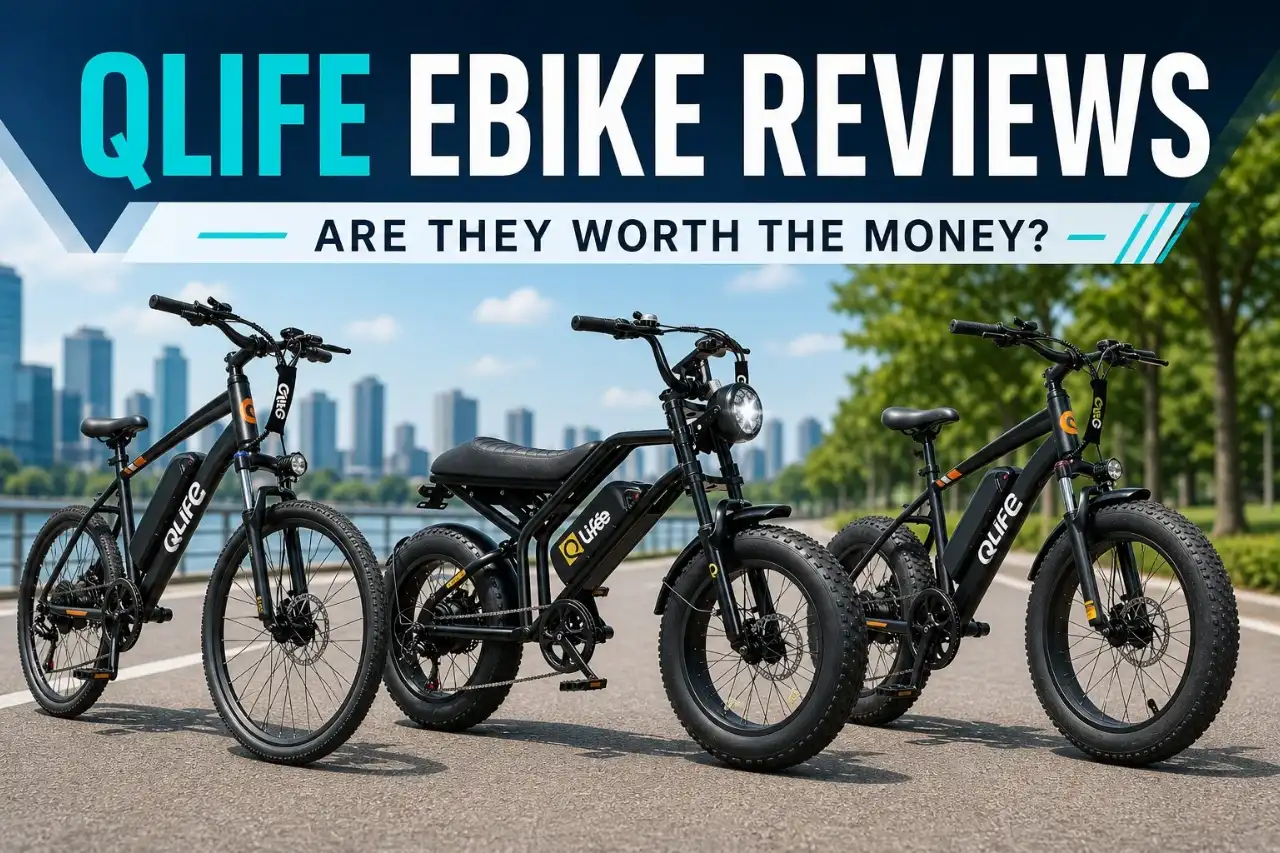
Are Qlife e-bikes worth the money compared with other budget electric bikes on Amazon? In most cases, yes, if the rider wants solid feature lists, decent power, and practical commuting or recreational use without paying for a premium brand.
The short answer is that Qlife e-bikes make the most sense for budget-focused riders who want usable range, simple controls, and a model matched to a specific job, like commuting, light trails, fat-tire riding, or extra stability from a trike. They make less sense for riders who expect polished assembly instructions, strong dealer networks, app integration, or a long track record for durability.
This qlife ebike review compares the current lineup by motor power, battery range, comfort, frame style, storage convenience, ride use case, and the trade-offs that matter before buying.
Best for budget mountain-style riding: Qlife Racer
Best for moped-style power and fat tires: Qlife Spark
Best for fat-tire trail and sand use: Qlife Racer Fat Tire
Best for step-through commuting: Qlife Cityone 2.0
Best for basic commuter value: Qlife Cityone
Best for added stability and cargo errands: Qlife Triker
Qlife e-bikes are worth considering for riders who care more about value than polish. The brand offers a wide spread of use cases, from basic 26-inch commuter bikes to fat-tire models and a folding electric trike.
Their biggest strengths are strong claimed motor output for the money, removable batteries on most models, simple LCD displays, and practical setups for commuting and casual fun. Their biggest trade-offs are mixed listing clarity, lighter support expectations than established bike-shop brands, and some signs that quality control and assembly experience may vary by model.
Qlife covers several common budget e-bike categories instead of focusing on one specialty. That helps shoppers find a bike that fits their route and riding style more easily than with brands that only sell one format.
The lineup breaks down into a few clear groups. The Racer is the lighter mountain-style option. The Spark and Racer Fat Tire lean toward more aggressive fat-tire riding. The Cityone models focus on commuting. The Triker is for riders who want extra stability and cargo convenience.
| Model | Type | Motor and Speed Expectation | Battery and Range Expectation | Tire Style | Folding | Ideal Use | Main Trade-Off |
|---|---|---|---|---|---|---|---|
| Qlife Racer | 26-inch mountain-style e-bike | Mid-level power, suitable for city riding and moderate hills | Smaller battery, better for short to medium rides | 26 x 2.1 | No | Budget commuting, bike paths, light hills | Shorter range than larger-battery models |
| Qlife Spark | Moped-style fat-tire e-bike | Strong acceleration, faster than basic commuter models | Mid-size battery, range depends heavily on speed use | 20 x 4.0 | No | Riders wanting power, style, and rougher terrain ability | Heavier, bulkier, and less bike-like to pedal |
| Qlife Racer Fat Tire | Fat-tire all-terrain e-bike | Strong power for mixed terrain and loose surfaces | Mid-size to larger battery options, better for longer rides | 20 x 4.0 | No | Sand, gravel, snow, mixed recreational use | Fewer reviews and less long-term buyer feedback |
| Qlife Cityone 2.0 | Step-through commuter e-bike | Strong commuter-focused power | Mid-size battery with long claimed PAS range | 26 x 2.1 | No | Easy on-off commuting, comfort-focused riding | Less suited to rough off-road use |
| Qlife Cityone | Standard commuter / mountain-style e-bike | Good entry-level power for roads and bike paths | Smaller battery than newer commuter options | 26 x 2.1 | No | Lower-cost commuting and casual rides | Listing details are less consistent |
| Qlife Triker | Folding electric trike | Lower top speed, more about stability than speed | Mid-size battery, useful for errands and leisure rides | 20-inch trike tires | Yes | Stability, cargo, low-confidence riders | Bulkier handling and lower rider confidence at speed in turns |
Qlife packs a lot into budget-priced bikes. Riders get removable batteries, front suspension on most models, disc brakes, lights, and multi-speed drivetrains across much of the lineup.
Many low-cost brands offer only one or two frames. Qlife has a broader spread, which helps shoppers choose a bike that matches how they actually ride.
Most of these bikes arrive mostly assembled and use simple controls. That matters for buyers moving from a regular bicycle to an e-bike for the first time.
Some model pages mix different motor figures, battery sizes, or speed claims. That matters for buyers who want exact specs before ordering.
These bikes are sold like many Amazon e-bikes, with remote customer service rather than local dealer setup. That can be fine for experienced buyers, and frustrating for riders who want in-person help.
Most use carbon steel frames and basic parts. Riders can expect usable performance, not premium refinement.
At least one model has buyer feedback pointing to weak instructions and a battery issue. That does not prove a brand-wide problem, though it does suggest a careful inspection is smart after delivery.
Qlife’s claimed peak motor figures look strong on paper. Buyers should treat peak watt numbers as short-burst marketing figures, not a full-time output measure.
For real-world use, the important question is simpler: will the bike pull a rider up moderate hills and keep pace in city traffic? The answer is usually yes for the two commuter models, stronger yes for the fat-tire bikes, and a more measured yes for the trike because it is tuned around stability and control instead of speed.
Riders who use heavy throttle, carry cargo, or climb steep hills often will see battery drain rise quickly. Heavier fat-tire bikes also need more power to feel lively.
Qlife offers removable batteries on most of the lineup, which is useful for apartment charging and theft prevention. Claimed ranges are typical seller estimates, often based on lighter assist, flatter terrain, and moderate rider weight.
A practical range rule helps more than a marketing number:
Charging times listed are reasonable for this category. Riders planning daily commuting should focus more on battery size and route length than headline maximum range.
Comfort varies a lot by model. The commuter bikes use narrower 26-inch tires that should roll more easily on pavement and bike paths. The fat-tire bikes trade some efficiency for more grip and a softer feel on rougher surfaces.
Front suspension appears across much of the lineup, while the Spark adds dual suspension for a more cushioned ride. The trike offers a different kind of comfort, less about absorbing bumps and more about helping riders feel planted at low speeds and during stops.
For pavement-first riders, the lighter 26-inch bikes make more sense. For sand, gravel, broken pavement, or neighborhood curb cuts, the fat-tire options have an advantage.
Only the trike is marketed as foldable. That makes it the standout for riders who need storage flexibility, though a folding trike is still not small in practical terms.
The standard bikes should be easier to carry up steps than the fat-tire models, though none are truly lightweight in the way a non-electric bicycle is lightweight. Daily usability comes down to frame shape, battery access, and whether the rider wants a traditional bike feel or a moped-style layout.
Step-through frames help riders with mobility limits, shorter inseams, or stop-and-go city use. Step-over frames often feel a bit sportier and more rigid.
Disc brakes are standard across these bikes, which is what buyers should expect in this category. That is a good baseline.
The Spark stands out with a more complete lighting and signal setup, which may matter for evening riders. The trike adds confidence for riders who dislike balancing at stops. The commuter models focus more on simple, familiar control than advanced safety extras.
No buyer should expect premium hydraulic systems or top-tier components at this price level. Brake setup and adjustment after assembly may be especially important.
![Qlife Ebike Review Are They Worth the Money in [year]](https://m.media-amazon.com/images/I/71ROuoVBFGL.jpg "Qlife Ebike Review Are They Worth the Money in [year]")
A sensible buy for riders who want a low-cost, mountain-style commuter e-bike with a removable battery and a more traditional bicycle feel.
Pros
Cons
| Preview | Product | Price | |
|---|---|---|---|

| Qlife Racer Electric Bike for Adults – 21-Speed Mountain Lightweight Ebike with Peak 1000W… | $299.99 $269.99 | View on Amazon |
Best for: Budget commuters, bike-path riders, and anyone who wants a more normal bicycle shape.
Key strengths: Lower weight for the category, practical gearing, easy-to-read LCD, straightforward daily use.
Main drawbacks: Range is more limited than larger-battery models, and the ride is less cushioned than fat-tire bikes.
Motor and speed expectations are solid for city streets and moderate hills. Battery expectations fit shorter to medium trips, especially if the rider uses pedal assist more than throttle.
The step-over frame and 26 x 2.1 tires make it feel closer to a regular bike than the moped-style options. Riders who want portability, easier pedaling, and less bulk should look here first.
Who should buy it: riders with commutes, neighborhood errands, and occasional light trail use.
Who should skip it: anyone wanting high-speed thrills, sand or snow traction, or long throttle-heavy range.
![Qlife Ebike Review Are They Worth the Money in [year]](https://m.media-amazon.com/images/I/71orO-HIrGL.jpg "Qlife Ebike Review Are They Worth the Money in [year]")
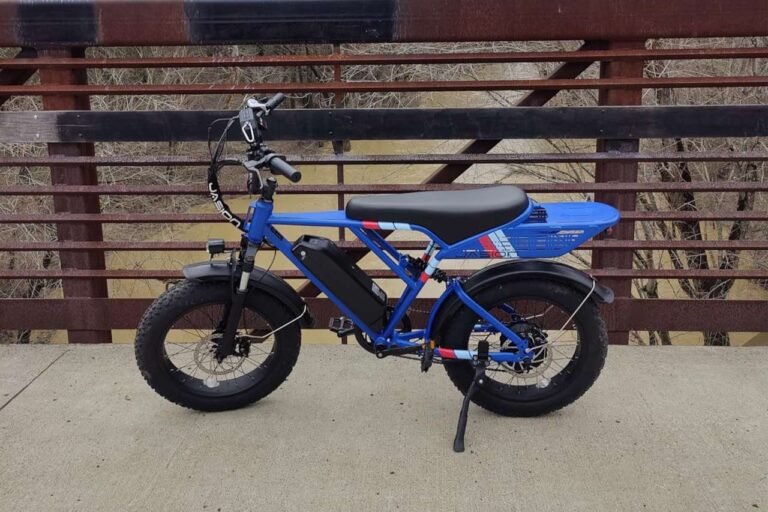
A better fit for riders who want a moped-style e-bike with strong acceleration, fat tires, and more off-road ability than a standard commuter model.
Pros
Cons
| Preview | Product | Price | |
|---|---|---|---|

| Qlife Electric Bike for Adults/Teens Spark-1800W Peak Motor 20″ Fat Tires 20+MPH Electric… | $669.99 | View on Amazon |
Best for: Riders who want power, style, and rough-surface confidence.
Key strengths: Fast acceleration, motorcycle-inspired layout, dual suspension, thick tires.
Main drawbacks: More bulk, less efficient pedaling, and less polished support experience than stronger established brands.
Motor and speed expectations are the most aggressive in the group. That said, real-world speed depends on rider weight, terrain, local settings, and whether the bike is used in unlocked mode.
Its 20 x 4.0 tires and suspension should feel more stable on broken pavement, dirt, grass, and loose ground than the slimmer commuter bikes. It is less practical if the rider needs to carry the bike, pedal long distances unassisted, or fit through tight storage areas.
Who should buy it: riders prioritizing power and fat-tire comfort over portability.
Who should skip it: apartment dwellers, smaller riders, and anyone wanting a light, simple commuter.
![Qlife Ebike Review Are They Worth the Money in [year]](https://m.media-amazon.com/images/I/81NAMjFCGCL.jpg "Qlife Ebike Review Are They Worth the Money in [year]")
A strong value choice for riders who want a more traditional fat-tire e-bike without the heavier moped look of the Spark.
Pros
Cons
| Preview | Product | Price | |
|---|---|---|---|

| Qlife Racer Fat Tire Series Electric Bike for Adults, 20+MPH, 50 Miles Mountain Ebike with… | $499.99 $429.99 | View on Amazon |
Best for: Recreational riders using gravel, sand, snow, park paths, and mixed pavement.
Key strengths: All-terrain tire setup, good claimed speed, removable battery, simpler bike-style geometry.
Main drawbacks: Less buyer history, basic suspension, and lower pedaling refinement than stronger drivetrain setups.
This model sits between a commuter and a mini adventure bike. Its motor and speed claims suggest stronger hill help than the slim-tire bikes, while the 20 x 4.0 tires should make rough surfaces more forgiving.
Battery expectations are better than the smaller commuter-oriented models, especially for pedal-assist riding. Daily usability is still limited by fat-tire bulk, though it should be easier to live with than a moped-style frame.
Who should buy it: riders who want one bike for neighborhood streets, dirt paths, and seasonal loose surfaces.
Who should skip it: riders who only use pavement and would rather save weight.
![Qlife Ebike Review Are They Worth the Money in [year]](https://m.media-amazon.com/images/I/812jBuagu0L.jpg "Qlife Ebike Review Are They Worth the Money in [year]")
The most appealing Qlife commuter for riders who want a step-through frame, easy mounting, and longer claimed range.
Pros
Cons
| Preview | Product | Price | |
|---|---|---|---|

| Qlife Cityone 2.0 Electric Bike for Adults,Up to 65Miles,20+MPH,1200W Peak Motor… | $499.00 | View on Amazon |
Best for: City riders, casual commuters, and adults who value easy on-off access.
Key strengths: Accessible frame, practical geometry, commuter-friendly tires, useful range claims.
Main drawbacks: Not made for hard off-road riding, and support expectations remain budget-brand level.
Motor and speed expectations are strong enough for urban riding and moderate hills. The wider comfort seat and upright posture should suit riders who prefer relaxed commuting over sportier handling.
The 26-inch wheels and 2.1-inch tires are a sensible middle ground for pavement, bike lanes, and park routes. For daily usability, this is one of the easiest Qlife models to recommend.
Who should buy it: riders who want comfort, ease of use, and commuter practicality.
Who should skip it: taller, more aggressive riders looking for a trail-oriented frame or fat tires.
![Qlife Ebike Review Are They Worth the Money in [year]](https://m.media-amazon.com/images/I/71qGpfd6sHL.jpg "Qlife Ebike Review Are They Worth the Money in [year]")
A reasonable entry-level commuter if price matters most, though the newer Cityone 2.0 looks like the cleaner choice for many buyers.
Pros
Cons
| Preview | Product | Price | |
|---|---|---|---|

| Qlife Electric Bike for Adults, 1200W Peak Brushless Motor 28MPH Mountain Ebike with… | $449.99 | View on Amazon |
Best for: Basic commuting and casual rides on a tighter budget.
Key strengths: Familiar frame shape, practical controls, decent claimed power for everyday use.
Main drawbacks: Confusing listing details, older-feeling positioning, and less clear advantage next to newer models.
Its claimed motor output should be enough for city riding, bike paths, and moderate grades. The range appears fine for short commutes, especially with pedal assist.
This bike makes sense if the buyer wants a simple 26-inch e-bike and finds it at a strong discount. If not, many riders will likely be better served by the Cityone 2.0 or Racer, depending on frame preference.
Who should buy it: price-led shoppers who want a no-frills commuter e-bike.
Who should skip it: buyers who want the clearest specs and the most refined option in the lineup.
![Qlife Ebike Review Are They Worth the Money in [year]](https://m.media-amazon.com/images/I/81GtthRZrkL.jpg "Qlife Ebike Review Are They Worth the Money in [year]")
A niche buy that can make sense for riders who want extra stability, a step-through design, and cargo utility more than speed or agile handling.
Pros
Cons
| Preview | Product | Price | |
|---|---|---|---|

| Qlife Triker Electric Bike, Peak 1200W Brushless Motor Folding Trike Ebike, 499Wh… | $599.99 $549.99 | View on Amazon |
Best for: Riders seeking stability, errands, and lower-stress neighborhood travel.
Key strengths: Easy mounting, cargo usefulness, relaxed speed, folding frame.
Main drawbacks: Not quick, not compact in real life, and less confidence-inspiring at speed than a two-wheel bike.
Motor and speed expectations are modest compared with the rest of the range. That is not a flaw for the intended user. This bike is built more for controlled local riding than fast commuting.
Battery expectations look decent for errands and leisure trips. Comfort should be good for riders who value an upright position and a planted feel over nimble steering.
Who should buy it: adults who want more balance support or utility for local rides.
Who should skip it: riders planning fast commutes, tighter turns, or frequent transport in a car.
Choosing the right e-bike in this category is less about chasing the biggest motor number and more about matching the bike to the rider’s real route. A commuter needs different things than a sand-path rider or someone who wants extra stability.
| Bike Style | Best For | Watch Out For |
|---|---|---|
| Standard commuter | Pavement, bike lanes, short daily trips | Less traction on loose ground |
| Fat-tire bike | Gravel, sand, rough pavement, recreational rides | Heavier weight, lower efficiency |
| Moped-style e-bike | Throttle-heavy riding, comfort, style | Harder to pedal like a normal bike |
| Electric trike | Stability, errands, confidence at stops | Wider turning needs, bulkier storage |
Peak watt ratings are useful only up to a point. Buyers should focus on expected use:
Real range is almost always lower than the maximum claim. Riders should think about:
Fat tires and high speed drain batteries faster. Pedal assist stretches range more than throttle.
Slimmer commuter tires roll easier and feel better on pavement. Fat tires add comfort and grip on rough or loose surfaces. Basic front suspension helps with cracks and bumps, though buyers should not expect premium damping at this level.
A step-through frame is easier for many adults to mount and dismount. A step-over frame can feel more secure for sportier riding. Folding frames help with storage, though a folding e-bike is still heavy.
Disc brakes are the minimum standard worth buying in this category. Built-in lights are useful, especially for commuting. After assembly, brake adjustment and bolt checks are important before the first serious ride.
For many Amazon shoppers, yes. Qlife offers enough variety and enough useful features to make the brand a reasonable value play in 2026.
The strongest value is in the commuter and fat-tire models that clearly match a use case. Riders get removable batteries, decent claimed range, common-sense controls, and power levels that should feel strong for the price class.
The value falls off for buyers who need top-tier component quality, local repair support, highly polished manuals, or proven long-term dependability.
A Qlife e-bike will make the most sense for:
Some shoppers should look elsewhere:
Shoppers comparing Qlife with other budget e-bikes should also look at direct-to-consumer commuter bikes, basic hub-motor fat-tire bikes, and entry-level step-through city models from brands with larger owner communities.
What matters most is not the logo. It is whether the bike has the right frame style, battery size, weight, and support expectations for the rider’s routine.
This qlife ebike review points to a clear answer. Qlife e-bikes can be worth the money for budget-conscious riders who want practical features and are willing to accept some rough edges.
The brand is strongest when the buyer picks the right model for a specific use. The Cityone 2.0 stands out for commuting, the Racer is a good lower-cost standard e-bike, the Racer Fat Tire is a sensible all-terrain option, the Spark fits riders who want more power and style, and the Triker serves a smaller group that needs stability and utility.
They are not ideal for riders who expect premium parts, polished support, advanced smart features, or a long reputation for durability. For the right buyer, though, Qlife offers real value in the crowded budget e-bike market.