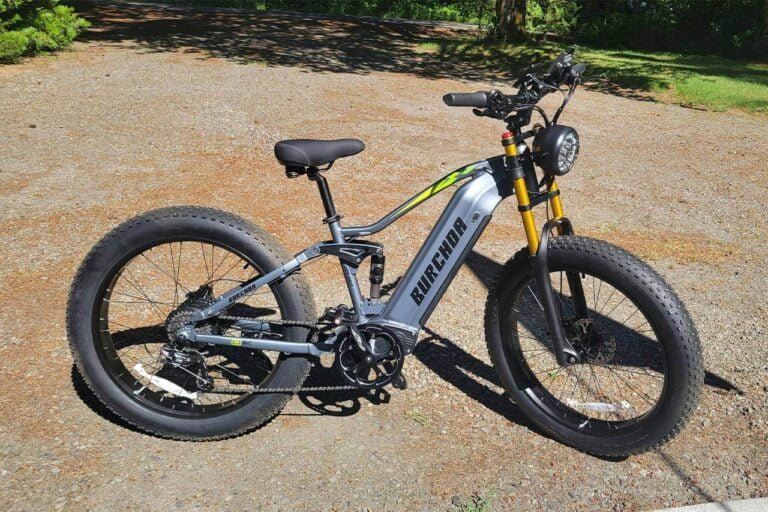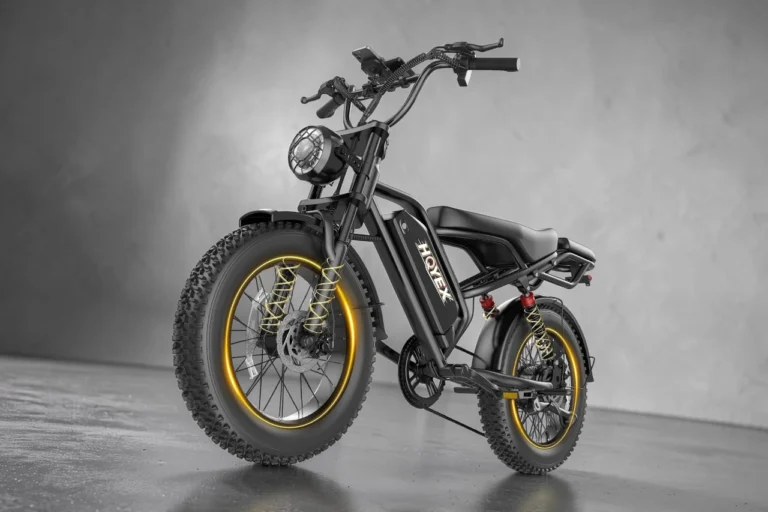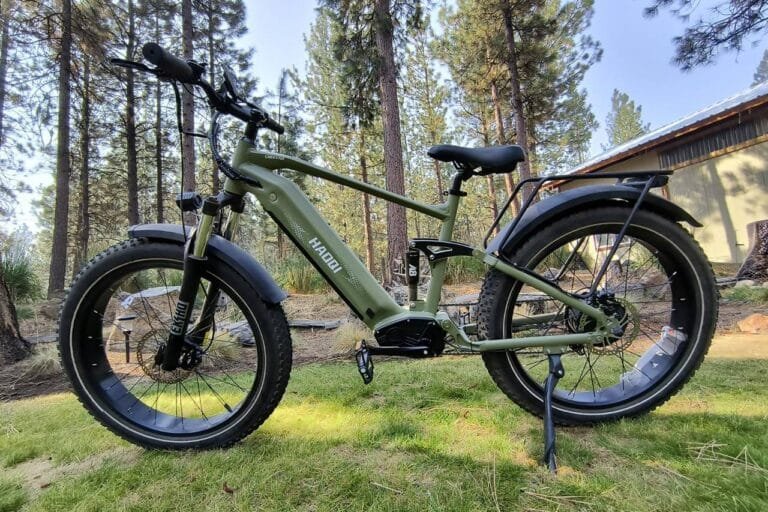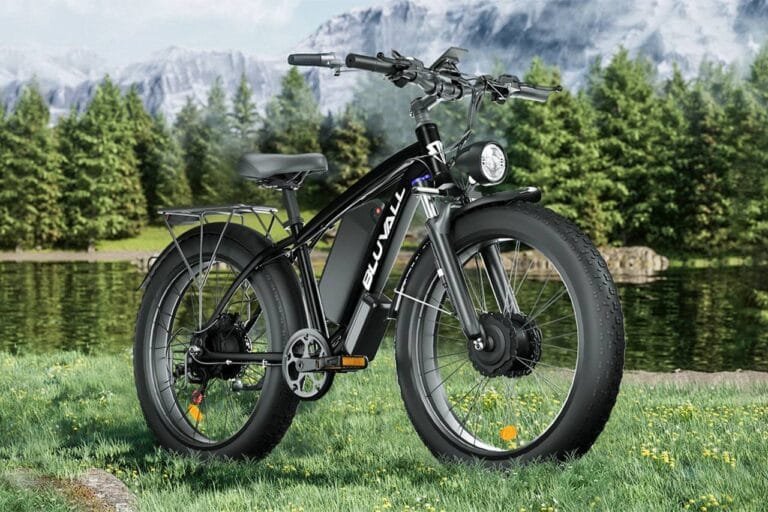
Fat tire e-bikes have moved well past the novelty stage. Today, a budget under $1,000 can get you a capable all-terrain commuter with real motor power, a removable battery, and suspension that handles gravel, sand, snow, and city potholes. The key is knowing which specs actually matter for your riding style and which numbers on the listing are marketing padding rather than real-world performance.
That said, not every sub-$1,000 fat tire e-bike delivers equally. Motor wattage claims (especially “peak” power figures), battery range in pedal-assist mode versus throttle-only mode, brake type, and total bike weight vary widely across this price range. We reviewed the available specs and real customer feedback on each model below to match bikes to specific rider needs: daily commuters, weekend trail explorers, heavier riders who need more carrying capacity, and teens or shorter riders looking for an accessible entry point.
A few things to check before you buy: look for UL 2849 certification (it means the battery and electrical system passed independent safety testing), confirm whether the listed range is in pedal-assist or throttle mode (throttle-only range is usually 30 to 50 percent shorter), and factor in the bike’s weight if you need to carry it up stairs or load it into a vehicle.
Best for budget commuting: TST Electric Bike, 1500W Peak / 48V 15Ah
Best for off-road and heavy riders: PUJH 6000W Dual Motor Fat Tire Ebike
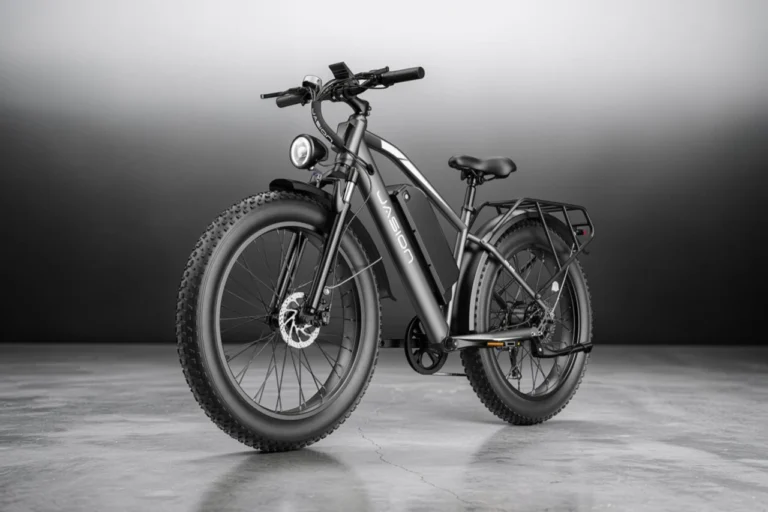
Best for long-range trail riding: Jasion Thunder Fat Tire E-Bike
Best for all-terrain with accessories included: PUCKIPUPPY Boxer Fat Tire E-Bike
Best for safety-certified urban commuting: YVY Adult Electric Bike, 1500W Peak
Best for city riding with built-in cargo: Gotrax R7 Fat Tire E-Bike
Best for teens and lighter commuters: URLIFE 20″ Fat Tire E-Bike
Best for speed and trail performance: Jasion EB5 MAX Electric Mountain Bike
1. TST Electric Bike, 1500W Peak / 48V 15Ah
Best for: Budget commuters and casual all-terrain riders

| Spec | Detail |
|---|---|
| Motor | 750W nominal, 1500W peak |
| Battery | 48V 15Ah (removable, UL 2849 certified) |
| Range | Up to 60 miles (PAS); ~40 miles (throttle) |
| Tires | 20″ x 4.0″ fat, puncture-resistant |
| Suspension | Full (front + rear) |
| Brakes | Mechanical disc |
| Max Load | 450 lbs |
| Speeds | 7-speed |
The TST stands out in this price range for two reasons: a 450 lb load capacity that covers most heavier riders, and UL 2849 battery certification that provides genuine electrical safety assurance. Full suspension on both ends adds ride comfort on broken pavement or light gravel.
The mechanical disc brakes are functional but less responsive than hydraulic brakes at speed. The charger has drawn complaints in a small number of reviews about running hot during use. Customers consistently praise ease of assembly (90% pre-assembled) and value for the price.
GoEBikeLife pick for: Heavier commuters who want full suspension without spending over budget.
2. PUJH 6000W Dual Motor Fat Tire Ebike
Best for: Off-road riders and those who need serious hill-climbing power

| Spec | Detail |
|---|---|
| Motor | Dual motors, 6000W peak combined |
| Battery | 60V 20Ah (1200Wh) |
| Range | 35 to 110 miles (varies by mode) |
| Tires | 26″ x 4.0″ fat |
| Suspension | Full (front fork + rear + seat springs) |
| Brakes | Dual hydraulic disc |
| Max Load | 330 lbs |
| Speeds | 7-speed |
The PUJH packs genuinely impressive power into this segment: dual motors with strong torque, hydraulic disc brakes, and a 7-level suspension system that includes two front forks, one rear shock, and two seat springs. Verified buyers report reaching speeds above 40 mph, though local laws may limit legal speed to 20 to 28 mph depending on your state.
This bike is heavier (85 lbs) than most in this roundup, which affects portability. With a limited review count at this time, long-term reliability data is still building. Assembly quality has been flagged by at least one buyer (handlebar components installed incorrectly from the factory).
GoEBikeLife pick for: Riders who prioritize raw power and off-road capability over portability.
3. Jasion Thunder Fat Tire E-Bike
Best for: Long-range trail riders and heavier adults who need a 400 lb capacity

| Spec | Detail |
|---|---|
| Motor | 1800W peak (base model) |
| Battery | 48V 18Ah (864Wh) |
| Range | Up to 80 miles (PAS) |
| Tires | 26″ x 4.0″ fat |
| Suspension | Front fork |
| Brakes | Dual hydraulic disc |
| Max Load | 400 lbs |
| Speeds | 7-speed Shimano |
The Jasion Thunder brings a Shimano drivetrain, hydraulic disc brakes, and UL certification to a segment where those features are often missing. The 864Wh battery is one of the largest in this price range, supporting realistic long-distance rides. A remote security lock adds anti-theft protection that most budget e-bikes skip entirely.
Front-only suspension means rougher trail riding compared to full-suspension models. A few assembly reviews note missing hardware from the box, though Jasion customer support has been responsive in resolving issues. The Thunder ships in multiple configurations (base, PRO, ST); the listed specs here reflect the base Thunder.
GoEBikeLife pick for: Riders who want the best battery range and Shimano gearing in this price range.
4. PUCKIPUPPY Boxer Fat Tire E-Bike
Best for: All-terrain riders who want a full accessory bundle out of the box

| Spec | Detail |
|---|---|
| Motor | 960W peak brushless |
| Battery | 48V 20Ah (removable) |
| Range | 40 to 80 miles (PAS) |
| Tires | 26″ x 4.0″ fat |
| Suspension | Full (longitudinal hidden suspension) |
| Brakes | Dual hydraulic disc |
| Max Load | Not specified in listing |
| Speeds | 7-speed |
The PUCKIPUPPY Boxer earns one of the highest customer ratings in this roundup. It ships with a notably complete accessory package: rear rack, fenders, rearview mirrors, phone holder, water bottle holder, bike cover, and a lock. Hydraulic disc brakes and full suspension are strong specs at this price point.
The 48V 20Ah battery is a generous size, but actual range will vary with rider weight, assist level, and terrain. One Canadian buyer reported a DOA unit with a severed brake wire, a reminder to inspect all wiring on arrival. Assembly is 85% pre-completed.
GoEBikeLife pick for: Weekend adventurers and hunters who want everything included without buying accessories separately.
5. YVY Adult Electric Bike, 1500W Peak
Best for: Safety-focused commuters who want UL-certified electronics and hydraulic brakes

| Spec | Detail |
|---|---|
| Motor | 1500W peak (3000W peak with upgrades) |
| Battery | 48V 15.6Ah (UL 2271 certified, removable) |
| Range | 30 to 70 miles (PAS) |
| Tires | 20″ x 4.0″ fat |
| Suspension | Full (5-stage system) |
| Brakes | Hydraulic disc |
| Max Load | 330 lbs |
| Speeds | 7-speed |
The YVY combines UL 2849 electrical certification and UL 2271 battery certification with hydraulic brakes, which is a safety-focused pairing that stands out at this price. The bike also includes a built-in horn, a USB charging port, a 7.2″ phone holder, and a storage box, making it a practical daily commuter setup. Buyers note a top speed around 34 mph in favorable conditions.
One buyer reported a battery that stopped charging after a single use, though the seller engaged with the issue. With a relatively smaller review base than some competitors, long-term reliability trends are still developing. Frame is carbon steel rather than aluminum.
GoEBikeLife pick for: Safety-conscious commuters and families looking for certified electronics and hydraulic stopping power.
6. Gotrax R7 Fat Tire E-Bike
Best for: City commuters who want built-in cargo and a clean urban setup


| Spec | Detail |
|---|---|
| Motor | 750W nominal (48V) |
| Battery | 48V 10.4Ah (499Wh, removable, UL 2849) |
| Range | Up to 50 miles (PAS) |
| Tires | 20″ x 4.0″ fat |
| Suspension | Front fork only |
| Brakes | 180mm mechanical disc |
| Max Load | 264 lbs |
| Speeds | 7-speed |
The Gotrax R7 comes with a front basket and frame bag already installed, which is a practical advantage for grocery runs and daily commutes without extra purchases. UL 2849 certification and a 365-day warranty provide reasonable peace of mind. Multiple buyers praise its hill-climbing ability and smooth motor response.
At 264 lbs max load capacity, this is better suited to lighter to average-weight riders. The battery pack (499Wh) is smaller than several competitors here, which limits range on longer rides. One buyer noted difficulty removing the rear wheel for flat tire repair, which is worth knowing before purchasing.
GoEBikeLife pick for: Urban commuters under 264 lbs who prioritize built-in cargo and a well-known brand warranty.
7. URLIFE 20″ Fat Tire E-Bike
Best for: Teens, lighter adults, and riders who want a compact commuter with a large rear rack

| Spec | Detail |
|---|---|
| Motor | 250W nominal (hub drive) |
| Battery | 48V 13Ah (624Wh) |
| Range | Up to 80 miles (claimed, PAS) |
| Tires | 20″ x 3.0″ fat |
| Suspension | Front fork |
| Brakes | Dual disc |
| Max Load | 265 lbs |
| Speeds | 7-speed |
The URLIFE is the slimmest-tire option in this roundup at 3.0 inches wide, which provides a lighter feel on pavement while still handling packed gravel and sand trails. The oversized rear rack is a practical highlight: verified buyers report carrying heavy grocery loads without issue. At 250W nominal motor output, this bike is better suited to flatter terrain and moderate hills.
Range claims of up to 80 miles should be treated cautiously; at least one buyer reported well under 25 miles in real-world use with limited assist. Customer service responses have been mixed. Front suspension only on this model.
GoEBikeLife pick for: Teens and lighter commuters on flatter routes who need a cargo-capable, compact e-bike.
8. Jasion EB5 MAX Electric Mountain Bike
Best for: Speed-focused riders who want trail performance and cruise control

| Spec | Detail |
|---|---|
| Motor | 2000W peak |
| Battery | 48V 15Ah (720Wh, removable, lockable) |
| Range | Up to 65 miles (PAS); ~35 miles (throttle) |
| Tires | 26″ x 4.0″ fat |
| Suspension | Front fork (lockable) |
| Brakes | 180mm dual disc |
| Max Load | Not specified in listing |
| Speeds | 7-speed |
The Jasion EB5 MAX delivers one of the higher peak power ratings in this roundup, along with cruise control and a password-protected display. Fenders and a rear rack come pre-installed. Buyers consistently note solid build quality and strong acceleration, with multiple reviewers reporting assembly in under 30 minutes.
Front suspension only means it is not ideal for very rough singletrack, but it handles mixed terrain and urban riding well. Two buyers reported slow tire leaks from the factory. One buyer experienced a non-charging battery from day one, underscoring the value of inspecting the battery on first arrival. Comes with a 1-year warranty.
GoEBikeLife pick for: Riders who want strong motor output, cruise control, and trail-ready tires in one commuter-friendly package.
Buying Guide
Shopping for a fat tire e-bike under $1,000 means making real trade-offs. Knowing which specs matter for your specific use case saves money and prevents buyer regret.
Motor Power: Nominal vs. Peak
Most bikes in this range list a “peak” watt figure (1500W, 2000W) rather than the continuous, nominal rating. Peak power is only available for short bursts. The continuous rating (often 500W to 750W) better reflects everyday hill performance. For flat commuting, 500W to 750W nominal is sufficient. For steep hills or heavier riders, look for 750W or more continuous output.
Battery Size and Real Range
Battery capacity in Watt-hours (Wh) is the most reliable way to compare range across models. Multiply volts by amp-hours to get Wh (for example, 48V x 15Ah = 720Wh). Larger Wh generally means longer range. Claimed range figures almost always reflect ideal pedal-assist conditions at low speed. Throttle-only range is typically 30 to 50 percent shorter. Factor in your rider weight and terrain type when estimating real range.
Brakes: Hydraulic vs. Mechanical Disc
Hydraulic disc brakes offer more consistent, powerful stopping force, especially at higher speeds or on wet surfaces. Mechanical disc brakes work fine for moderate speeds but require more hand force and more frequent adjustment. If you plan to ride above 20 mph regularly or ride in wet conditions, hydraulic brakes are worth prioritizing.
Suspension: Front Only vs. Full
Front fork suspension handles most urban bumps and gravel adequately. Full suspension (front and rear) provides noticeably more comfort on rougher trails and reduces fatigue on longer rides. Full suspension adds weight and cost, so it is best justified for trail or mixed-terrain use rather than pure road commuting.
Frame Weight and Portability
Most fat tire e-bikes in this range weigh 55 to 85 lbs. If you need to carry the bike upstairs or store it in a vehicle, weight matters significantly. Lighter aluminum frames are easier to handle than heavier carbon steel frames.
UL 2849 Certification
UL 2849 certifies that the complete electrical system (battery, motor, charger, wiring) meets recognized safety standards. It is not a performance guarantee, but it provides meaningful assurance against fire risk. We recommend prioritizing UL 2849 certified models when possible, especially for indoor charging.
Quick Comparison
| Bike | Motor (Peak) | Battery | Range (PAS) | Brakes | Suspension | Max Load |
|---|---|---|---|---|---|---|
| TST 1500W | 1500W | 48V 15Ah / 720Wh | 60 mi | Mechanical disc | Full | 450 lbs |
| PUJH 6000W | 6000W | 60V 20Ah / 1200Wh | 35-110 mi | Hydraulic disc | Full | 330 lbs |
| Jasion Thunder | 1800W | 48V 18Ah / 864Wh | 80 mi | Hydraulic disc | Front | 400 lbs |
| PUCKIPUPPY Boxer | 960W | 48V 20Ah / 960Wh | 40-80 mi | Hydraulic disc | Full | 300 lbs |
| YVY 1500W | 1500W | 48V 15.6Ah / 749Wh | 30-70 mi | Hydraulic disc | Full | 330 lbs |
| Gotrax R7 | 750W | 48V 10.4Ah / 499Wh | 50 mi | Mechanical disc | Front | 264 lbs |
| URLIFE 20″ | 250W | 48V 13Ah / 624Wh | Up to 80 mi* | Disc | Front | 265 lbs |
| Jasion EB5 MAX | 2000W | 48V 15Ah / 720Wh | 65 mi | Disc | Front | 400 lbs |
*Real-world range may differ significantly from claimed figures based on customer reports.
Frequently Asked Questions
Are fat tire e-bikes under $1000 worth buying?
Yes, for most casual riders, commuters, and first-time e-bike owners. This price range now delivers practical motor power (500W to 750W+ continuous), removable batteries, and fat tires capable of handling sand, gravel, and light snow.
The trade-offs are mostly in long-term durability and component quality compared to bikes costing $1,500 or more.
What motor size is best for a budget fat tire e-bike?
For flat to moderate terrain, a 500W to 750W continuous motor is sufficient.
For steep hills, heavier riders (over 220 lbs), or off-road trails, look for a 750W or higher continuous rating rather than relying on peak power numbers.
Peak wattage is a burst figure and should not be used as the primary comparison metric.
Are fat tire e-bikes good for commuting?
Fat tire e-bikes commute well on routes with varied pavement, gravel paths, or light off-road sections.
The wider tires absorb road imperfections and provide stability on wet surfaces.
The main trade-off is added weight and slightly more rolling resistance on smooth asphalt compared to narrower tire commuter bikes.
Can a fat tire e-bike under $1000 ride on sand or snow?
Yes. The 4.0-inch fat tires standard on most models in this roundup are specifically designed for low-traction surfaces like beach sand, packed snow, and gravel.
Lower tire pressure (typically 8 to 15 PSI) increases the contact patch for better grip. Performance on very deep or loose sand depends on motor torque and rider technique.
What should I avoid when buying a cheap fat tire e-bike?
Avoid models with no safety certifications (especially no UL 2849), unrealistically large range claims without Wh specifications to back them up, and sellers with no clear warranty or customer support contact.
Also be cautious of very heavy bikes (over 75 lbs) if portability matters to you, and verify that return and warranty policies are clearly stated before purchasing.
GoEBikeLife publishes independent e-bike reviews, comparisons, and practical buying guides. Some links on this page are affiliate links. If you make a purchase through an eligible link, we may earn a commission at no additional cost to you.