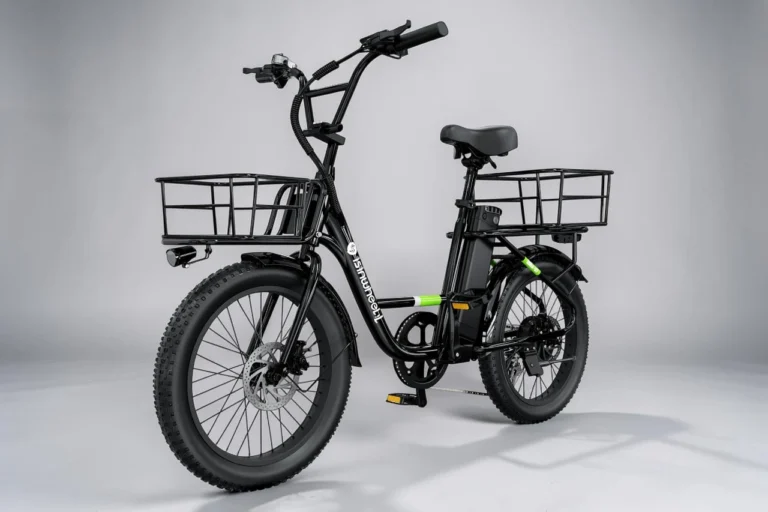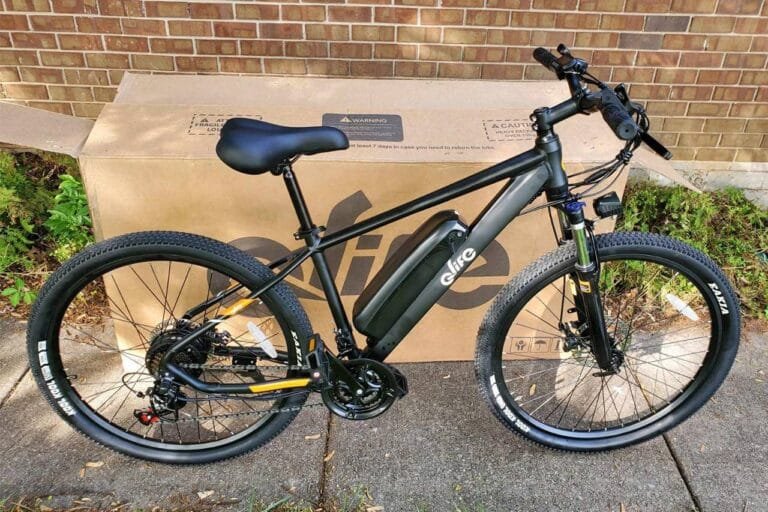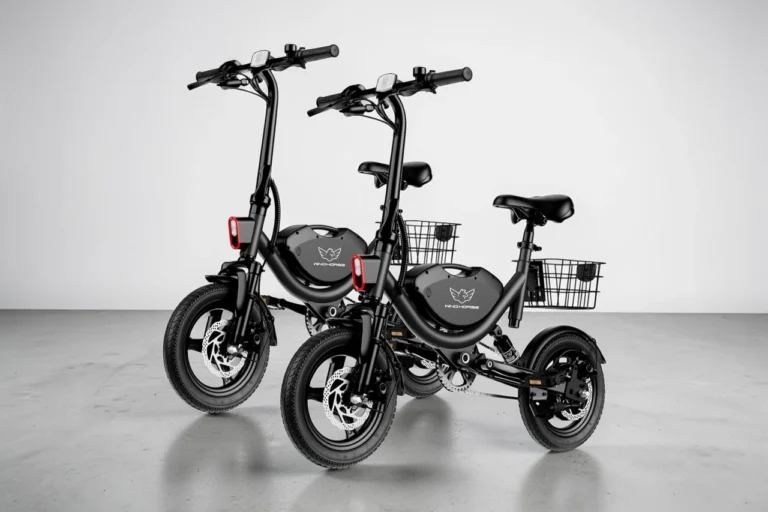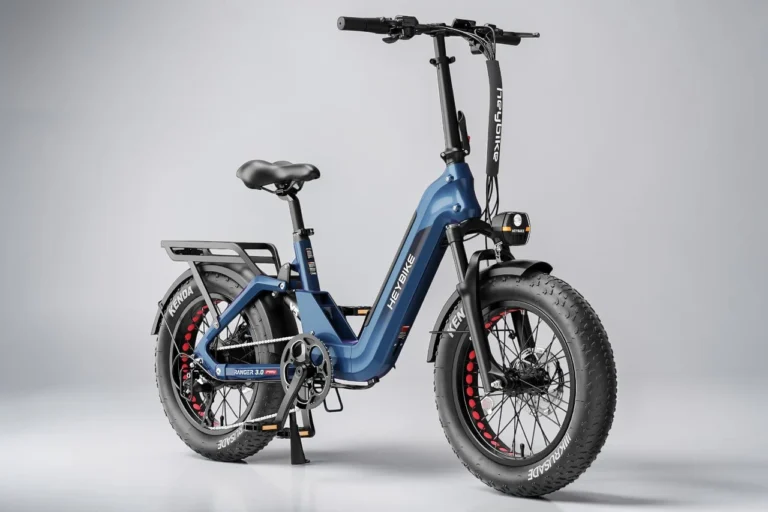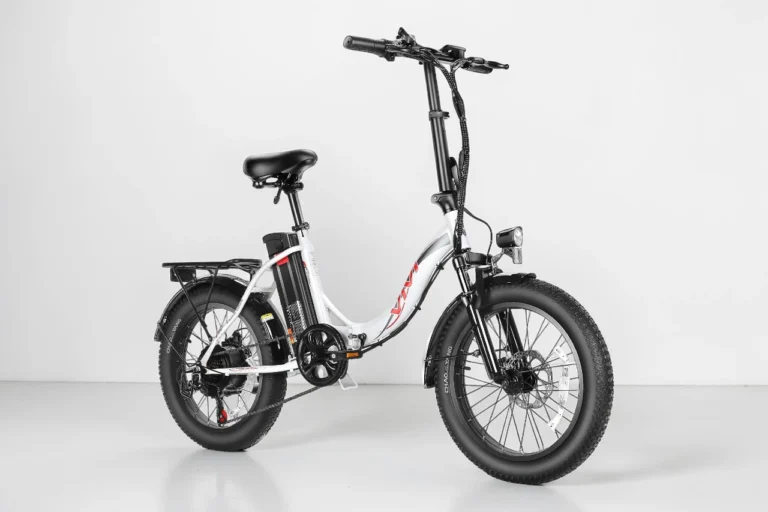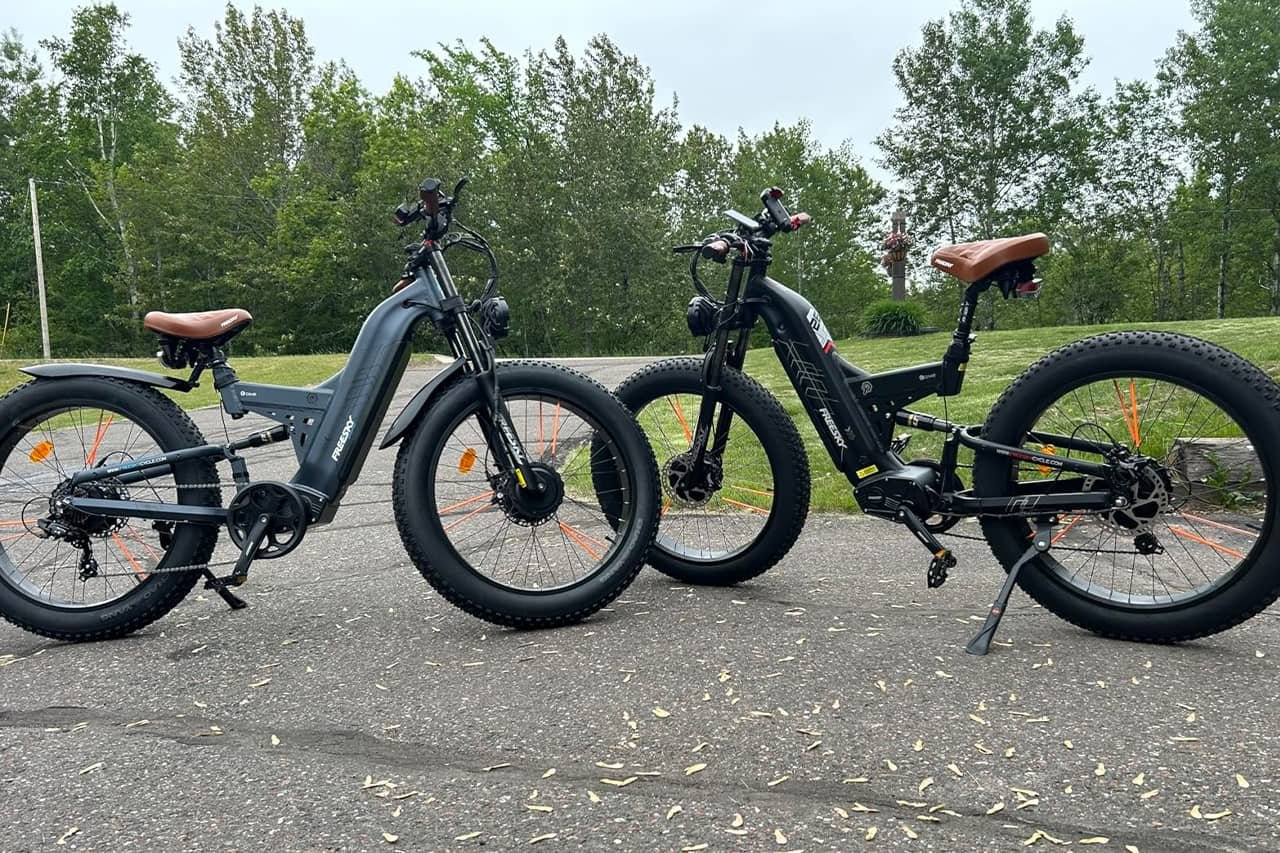
The five FREESKY models differ mainly in motor layout, battery capacity, range, weight, frame design, and intended use. The Swift Horse Ultra X-6E suits long all-terrain rides, while the Warrior Ultra M-530 adds AWD power. The Rocky Pro A-320 favors accessible commuting, the Alaska Pro M-520 emphasizes battery capacity, and the Cheetah MT-380 uses a moped-style frame.
For our FREESKY electric bike reviews, we compared current published specifications, features, practical advantages, and limitations. GoEBikeLife focuses on matching each bike to real transportation and recreation needs without treating seller maximums as everyday results. Our comparison shows which FREESKY model fits commuting, steep hills, trails, cargo, and extended trips while accounting for weight, handling, charging, and local e-bike laws. This guide will help us choose the appropriate model for our riding needs.
Best for balanced all-terrain range: FREESKY Swift Horse Ultra X-6E
Best for steep hills and AWD traction: FREESKY Warrior Ultra M-530
Best for step-through commuting: FREESKY Rocky Pro A-320
Best for maximum battery capacity on a bicycle frame: FREESKY Alaska Pro M-520
Best for moped-style seating and extended recreation: FREESKY Cheetah MT-380
FREESKY Swift Horse Ultra X-6E

The Swift Horse Ultra X-6E is our balanced choice for riders seeking strong hill performance, a large battery, and full suspension without the added complexity of AWD.
| Key specification | Published detail |
|---|---|
| Motor | Bafang rear hub, advertised as 4,000 W |
| Torque and speed | Up to 150 Nm and 38-plus mph |
| Battery | 48 V, 35 Ah, 1,680 Wh, removable LG-cell pack |
| Advertised range | Up to 140 miles with pedal assist |
| Wheels and suspension | 26-by-4-inch tires, hydraulic fork, rear air shock |
| Drivetrain and brakes | 7-speed rear drivetrain, disc brakes |
| Payload | Up to 400 pounds |
The listing presents 4,000 W as the motor figure but does not clearly separate rated continuous power from peak output. That distinction affects heat, climbing performance, and legal classification. Its quoted 150 Nm should provide forceful starts and strong climbing, though slope, rider weight, and battery charge will shape results.
A 1,680 Wh battery is large for a bicycle-style e-bike. The 140-mile claim represents favorable pedal-assist conditions. Higher assist, throttle use, cold weather, soft tires, cargo, wind, and steep terrain will cut range, sometimes sharply.
Full suspension and wide tires should reduce harsh impacts on gravel and broken pavement. The rear air shock also offers more tuning than a basic coil spring. The listing identifies disc brakes but does not specify hydraulic operation, rotor size, or piston count for this exact ASIN.
The published product information does not give bike weight or a rider-height range. We should treat it as a large, heavy machine because of its 26-inch fat tires, long frame, suspension hardware, and 35 Ah battery. Transport requires a rack rated for the bike’s full weight and fat-tire width; battery removal helps only if the rack maker permits it.
Pros
- Large removable battery with LG cells
- Single-motor layout reduces AWD maintenance
- Rear air suspension and hydraulic front fork
- High 400-pound payload claim
Cons
- Rated and peak motor figures are unclear
- Published maximum range needs ideal conditions
- Weight and rider-fit measurements are missing
- Advertised speed exceeds common Class 3 limits
We recommend the X-6E for long commutes, rolling trails, gravel roads, and riders who value range over portability. Inexperienced riders and anyone needing frequent stair or car-rack transport should skip it.
FREESKY Warrior Ultra M-530

The Warrior Ultra M-530 is the strongest choice here for experienced riders who need dual-motor traction on steep, loose, or uneven ground.
| Key specification | Published detail |
|---|---|
| Motors | Dual hub motors, 2,000 W listed wattage, 6,000 W advertised peak |
| Torque and speed | Up to 260 Nm and 45 mph |
| Battery | 60 V, 30 Ah, 1,800 Wh, removable LG-cell pack |
| Advertised range | 60 to 120 miles |
| Tires and suspension | 26-by-4-inch tires, hydraulic fork, rear shock |
| Drivetrain and brakes | 7-speed, hydraulic disc brakes |
| Payload and charge time | 400 pounds; about 8 to 10 hours |
The Amazon specification field lists 2,000 W, while seller text advertises 6,000 W peak from the two motors. We read those as continuous or nominal versus brief maximum figures, though the listing does not explain the test method. Rear-only and dual-motor modes let us save energy or add front-wheel pull.
Its 60 V electrical system supports stronger power delivery than the 48 V models. Dual-motor operation also drains the 1,800 Wh battery faster. The upper 120-mile estimate depends on low assistance and favorable riding; sustained high speeds, AWD use, climbs, wind, cargo, and low temperatures move range toward the lower end or below it.
Hydraulic brakes are appropriate for this speed and mass. Full suspension and fat tires improve grip and impact control, while the double-triangle step-over frame favors stiffness. Integrated turn signals, brake lighting, an 800-lumen headlight, and NFC access add useful equipment.
FREESKY lists UL 2849 certification for the electrical system and UL 2271 certification for the battery through TÜV SÜD. The listing omits total bike weight and rider-height guidance. A heavy-duty hitch rack with enough wheel-tray width and per-bike capacity is the practical transport solution.
Pros
- Selectable rear-wheel or AWD operation
- Strong published torque figure
- Hydraulic brakes and full suspension
- TÜV SÜD certifications listed for the system and battery
Cons
- High power increases tire, brake, and drivetrain wear
- Long 8-to-10-hour charging estimate
- Large step-over frame limits accessibility
- Its advertised speed sits outside normal Class 1, 2, and 3 rules
This model fits hunting access, rough private land, loose trails where motorized bikes are permitted, and demanding hills. We would skip it for apartment storage, casual bike paths, or a first high-powered e-bike.
FREESKY Rocky Pro A-320

The Rocky Pro A-320 is our preferred FREESKY model for shorter riders, stop-and-go commuting, and anyone who wants smoother pedal assistance from a torque sensor.
| Key specification | Published detail |
|---|---|
| Motor | Rear hub, 2,500 W advertised peak |
| Speed and climbing claim | Up to 33 mph; 30-degree incline |
| Battery | 48 V, 25 Ah, 1,200 Wh, Samsung cells |
| Advertised range | Up to 105 miles |
| Frame and tires | Step-through; 20-by-4-inch tires |
| Drivetrain | 8-speed Shimano, torque sensor |
| Fit and payload | 5 feet 1 inch to 5 feet 11 inches; 400 pounds |
A torque sensor measures pedaling force and adjusts assistance to match it. That gives the Rocky Pro a more natural response than the cadence-based systems commonly fitted to high-power hub bikes. The listing publishes a 2,500 W peak figure but does not state rated continuous output.
The 1,200 Wh battery is smaller than the packs on the other four models. Its advertised 105-mile maximum relies on light pedal assistance. Throttle use, frequent starts, hills, rider mass, cargo, wind, temperature, and tire pressure will reduce that figure.
A hydraulic front fork, dual rear shocks, 20-inch fat tires, and a broad saddle support comfort on rough city streets and park paths. The smaller wheels should feel easier to manage at low speed, though wide tires still require deliberate steering. Disc brakes are listed, but their actuation type and hardware details are not published for this ASIN.
The low step-through frame is easier to mount than the taller mountain frames. FREESKY gives a useful height range and a 400-pound maximum load, yet total bike weight remains unpublished. Its compact wheels shorten the storage footprint, while the battery and full suspension still make lifting a concern.
Pros
- Torque sensor gives measured pedal response
- Accessible step-through frame
- Eight-speed Shimano drivetrain
- UL 2849 and UL 2271 certifications listed through TÜV SÜD
Cons
- Smallest battery in the group
- Rated motor output is not stated
- Published charging time and bike weight are unclear
- 33 mph exceeds standard Class 3 assisted speed
The Rocky Pro suits commuting, errands, paved paths where local rules allow it, and light recreational trails. Taller riders, aggressive off-road riders, and buyers focused on maximum range should choose another model.
FREESKY Alaska Pro M-520

The Alaska Pro M-520 is the right match for riders who prioritize battery capacity and long-distance use while keeping a single-motor drivetrain.
| Key specification | Published detail |
|---|---|
| Motor | Rear hub, 4,500 W advertised peak |
| Torque and speed | Up to 160 Nm and 40-plus mph |
| Battery | Dual-battery 48 V, 45 Ah system; 2,160 Wh listed |
| Advertised range | Listing claims up to 160 to 200 miles |
| Tires and suspension | 26-inch fat tires, full hydraulic suspension |
| Brakes | Four-piston hydraulic discs |
| Drivetrain | 7-speed rear system |
The listing identifies 4,500 W as peak output and does not publish a clear continuous rating. Its 160 Nm claim places it above the Swift Horse on paper, while a single rear motor avoids the added front motor and wiring used by the Warrior.
Battery information needs close attention. A 48 V, 45 Ah system equals 2,160 Wh, which matches Amazon’s specification field. Seller text also refers to 2,000 Wh and gives both 160-mile and 200-mile maximum claims. We view those figures as assisted-range ceilings under favorable conditions, not a trip-planning guarantee.
Dual batteries allow us to spread use across two packs and remove them for charging or transport. High assistance, sustained speed, throttle use, steep ground, cold weather, wind, load, and low tire pressure reduce mileage. Charging two large packs also takes planning, though the listing does not publish a clear full-charge time.
Four-piston hydraulic brakes suit the bike’s claimed speed. Full suspension and 26-inch fat tires favor rough roads and trails, but they add bulk and maintenance points. The listing does not provide total weight, payload, or rider-height limits for this ASIN.
A dual-battery frame is difficult to lift and needs a high-capacity hitch rack with fat-tire trays. We should verify rack load limits using the assembled weight supplied by FREESKY before transport.
Pros
- Largest bicycle-frame battery system in this group
- Single rear motor keeps the powertrain less complex than AWD
- Four-piston hydraulic brakes
- Full suspension for rough surfaces
Cons
- Conflicting advertised range and energy figures
- No clear rated motor output
- Weight, fit range, and payload are unpublished
- Two batteries increase cost, charging work, and replacement expense
We recommend the Alaska Pro for long rural trips, extended recreation, and riders who have secure ground-level storage. Buyers seeking easy transport or a nimble commuter should skip it.
FREESKY Cheetah MT-380

The Cheetah MT-380 is the specialized pick for riders who want a moped-style seat, dual-motor drive, and a very large battery for recreational travel.
| Key specification | Published detail |
|---|---|
| Motors | Dual hub motors; 2,000 W listed wattage and 4,000 W advertised peak |
| Torque and speed | Up to 240 Nm and 40 mph |
| Battery | 48 V, 60 Ah; 2,880 Wh by voltage and capacity |
| Advertised range | More than 200 miles |
| Tires and suspension | 20-by-4-inch tires, full suspension |
| Brakes | Four-piston hydraulic discs |
| Payload and drivetrain | 400 pounds; 7 speeds |
The listing’s power wording is unclear. Amazon gives a 2,000 W wattage figure, while the title and seller text describe a 4,000 W dual-motor system. We interpret 4,000 W as combined peak output, subject to confirmation from FREESKY.
Its 48 V, 60 Ah battery calculates to 2,880 Wh. Seller text also calls it 2,800 Wh. This is the largest battery in the comparison, yet the 200-mile claim still depends on low assistance and favorable conditions. Dual-motor use, throttle riding, passenger or cargo load, hills, wind, cold, and fast travel draw energy much faster.
The long bench seat includes passenger foot pegs, and the published payload is 400 pounds. Carrying a passenger remains subject to local law, total load, helmet requirements, and whether the route permits moped-style e-bikes. Four-piston hydraulic brakes and full suspension support control under heavier loads.
Small 20-inch fat tires lower the bike’s stance and improve low-speed stability. The long seat prevents normal saddle-height adjustment, so fit depends on leg length and riding position. FREESKY does not publish total weight or a rider-height range for this ASIN.
Pros
- Largest stated battery capacity of the five
- Dual motors with high claimed torque
- Long seat and integrated passenger pegs
- Hydraulic brakes, lighting, and full suspension
Cons
- Heavy, long moped-style design limits transport
- Motor ratings and battery-energy wording conflict
- Passenger use faces added legal and safety rules
- Nine published reviews provide limited long-term context
This bike suits private-property recreation, camping areas that permit motorized cycles, and longer two-seat use within its load rating. We would skip it for stairs, narrow indoor storage, standard hanging racks, or ordinary bicycle paths.
Buying Guide
Our best FREESKY electric bike choice should match the frame, motor system, battery size, and legal limits to the trips we plan to make most.
| Model | Motor layout | Battery | Advertised maximum | Main use |
|---|---|---|---|---|
| Swift Horse Ultra X-6E | Single rear hub; 4,000 W listed | 48 V 35 Ah, 1,680 Wh | 38-plus mph, 140 miles | Balanced all-terrain range |
| Warrior Ultra M-530 | Dual hub; 2,000 W listed, 6,000 W peak claim | 60 V 30 Ah, 1,800 Wh | 45 mph, 120 miles | AWD climbing and loose ground |
| Rocky Pro A-320 | Single rear hub; 2,500 W peak claim | 48 V 25 Ah, 1,200 Wh | 33 mph, 105 miles | Step-through commuting |
| Alaska Pro M-520 | Single rear hub; 4,500 W peak claim | 48 V 45 Ah, 2,160 Wh | 40-plus mph, 160 to 200 miles | Long-distance battery capacity |
| Cheetah MT-380 | Dual hub; 2,000 W listed, 4,000 W peak claim | 48 V 60 Ah, 2,880 Wh | 40 mph, 200-plus miles | Moped-style recreation |
Rated and peak power: Rated output describes power a motor is designed to provide continuously. Peak output is a short maximum under selected conditions. FREESKY’s listings do not use these terms consistently, so wattage alone should not decide our FREESKY bike comparison.
Range: Advertised maximum range is a best-case estimate. Rider weight, hills, assist level, throttle use, wind, temperature, tire pressure, speed, and cargo all affect energy use. For essential trips, we should plan a reserve and avoid building a route around the highest seller estimate.
Motor choice: A single rear motor is easier to maintain and usually uses less energy. Dual motors provide extra traction and climbing force, with greater battery drain, tire wear, wiring complexity, and low-speed acceleration. AWD makes the most sense when our route includes steep or loose ground.
Frame and fit: The Rocky Pro’s step-through frame and published 5-foot-1-inch minimum height give it the clearest fit guidance. The other listings omit detailed rider dimensions. We should compare stand-over height, reach, saddle position, and handlebar adjustment before ordering a large step-over bike.
Brakes and suspension: Hydraulic brakes are a priority for heavy bikes with high advertised speeds. The Warrior, Alaska, and Cheetah list hydraulic braking, while the Swift Horse and Rocky listings give less brake detail. Suspension improves comfort, though forks, shocks, pivots, and brake systems require inspection and service.
Storage and transport: None of these models should be treated as a lightweight folding commuter. Large batteries and fat tires require floor space, a suitable lock, and a rack with enough weight capacity. Hitch-mounted tray racks are the safest starting point; we should confirm wheelbase, tire width, and assembled weight with the manufacturer.
Legal classification: Standard US Class 1 and Class 2 e-bikes stop motor assistance at 20 mph. Class 3 assistance is limited to 28 mph. Every model here advertises performance above those limits in some configuration, so local law may treat it as an off-road vehicle, moped, or motor-driven cycle. Rules also differ across streets, trails, public land, and hunting areas.
FREESKY sells these bikes through its Amazon storefront and brand channels. For authorized sales and support, we should use the seller information on the current listing and confirm who handles parts, warranty claims, and technical service. Amazon availability, included accessories, and configurations change, so the ASIN must match the model reviewed here.
For a practical final choice, we favor the Rocky Pro for accessible commuting, the Swift Horse Ultra for balanced range, and the Warrior Ultra for demanding AWD use. The Alaska Pro serves long-distance riders who accept its bulk, while the Cheetah fits buyers specifically seeking a long moped-style seat and very large battery.
Frequently Asked Questions
Are FREESKY electric bikes good for commuting, trails, and all-terrain riding?
FREESKY offers capable models for commuting and recreational trails when the bike matches the route and local rules. We favor the Rocky Pro for urban access, the Swift Horse Ultra for mixed surfaces, and the Warrior Ultra for steep or loose terrain where high-powered motorized bikes are permitted.
Which FREESKY e-bike is best for riders who want high speed and long range?
The Warrior Ultra offers the highest advertised speed at 45 mph, while the Cheetah has the largest battery at 48 V and 60 Ah. For a bicycle-style frame with extensive battery capacity, we would choose the Alaska Pro and treat its 160-to-200-mile figures as favorable-condition estimates.
How does the FREESKY 4000W model compare with the dual-motor 6000W AWD e-bike?
The Swift Horse Ultra uses one rear Bafang hub motor and a 1,680 Wh battery, giving it a less complex drivetrain. The Warrior Ultra adds dual-motor AWD, a 60 V 1,800 Wh battery, and much higher claimed torque, with added weight, energy use, and maintenance.
Who makes FREESKY electric bikes, and where can buyers find authorized dealers?
FREESKY is the manufacturer named on these Amazon listings and sells through online brand channels and marketplace sellers. We should verify that the Amazon seller is authorized, confirm the exact ASIN, and ask who provides warranty parts and service before placing an order.
What should buyers consider before choosing a FREESKY fat-tire electric bike?
We should compare motor configuration, battery watt-hours, rider fit, brake type, storage, and rack capacity. Local e-bike laws deserve equal attention because the advertised speeds of all five models exceed the common 28 mph Class 3 assistance limit.
GoEBikeLife publishes independent e-bike reviews, comparisons, and practical buying guides. Some links on this page are affiliate links. If you make a purchase through an eligible link, we may earn a commission at no additional cost to you.