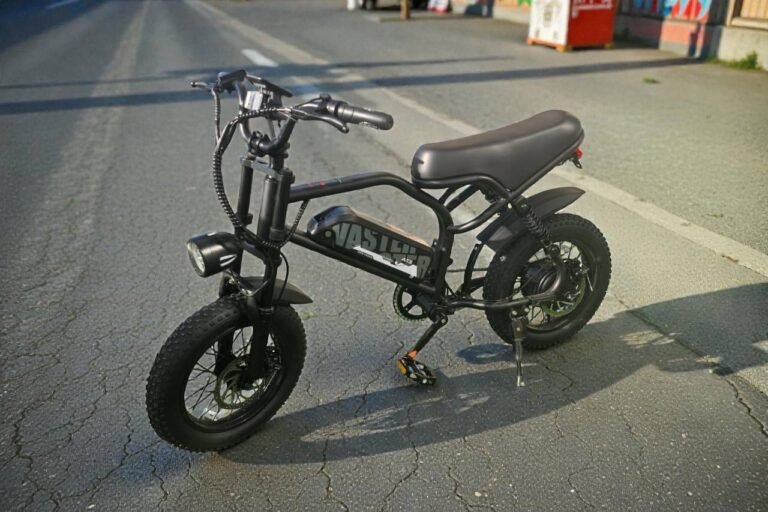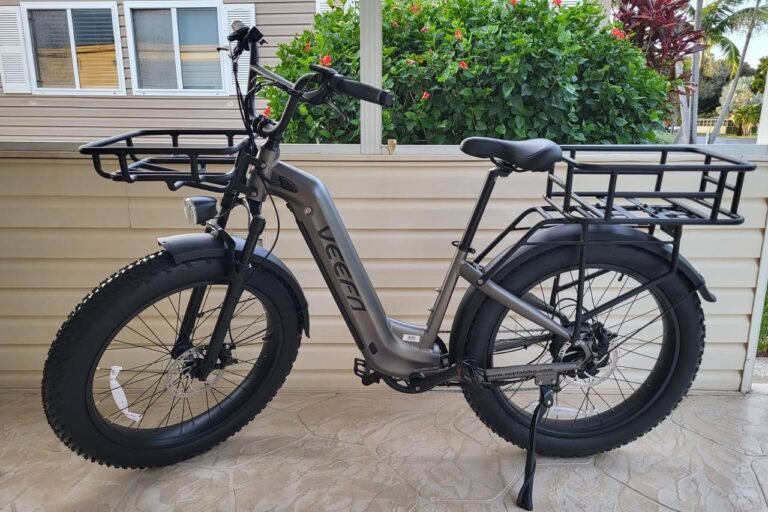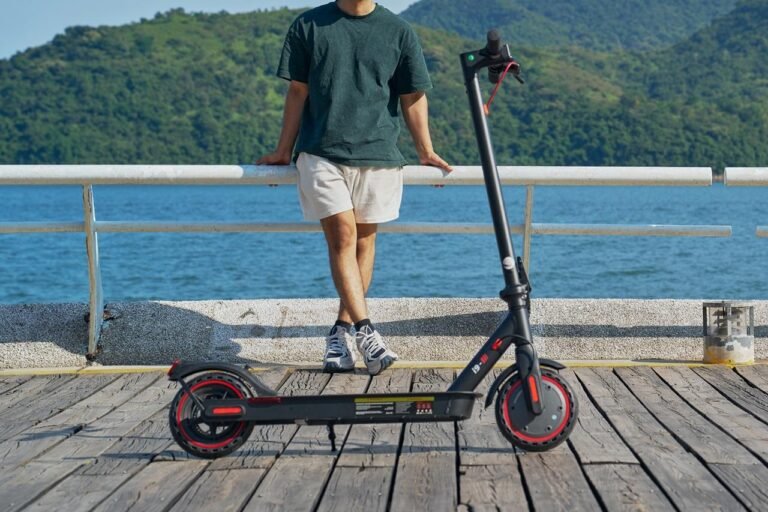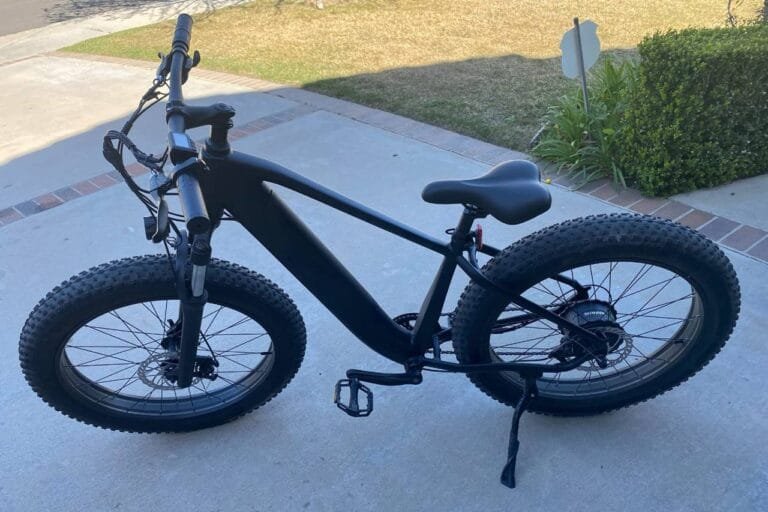
Riders shopping for a fast, long-range e-bike usually want one of two things: enough speed to keep up with traffic or cut commute time, or enough range to stop worrying about where the next charge is coming from. Few bikes do both at their stated maximum at the same time, and that’s worth knowing before you buy.
A long-range e-bike typically relies on a larger battery, measured in watt-hours (Wh), which is the battery’s voltage multiplied by its amp-hour rating. A bike with a 48V 30Ah battery, for example, holds about 1,440Wh of energy. More watt-hours generally means more miles, but how far you actually go depends on your weight, the terrain, wind, tire pressure, and how much you rely on the throttle versus pedaling. Top speed is a separate spec entirely, driven by motor power and voltage, and riding at or near that top speed will drain a battery much faster than cruising at a moderate assist level.
GoEBikeLife’s research into current listings shows the FREESKY Alaska Pro stands out for riders who want both high speed and long range in one package, thanks to its dual-battery 2,000Wh system and 40mph pedal-assist top end. Riders who prioritize range above all else may prefer a bike with a simpler motor and a bigger battery, while commuters chasing speed in city traffic might favor a lighter, single-battery setup. The six bikes below cover a range of combinations, with honest notes on what their numbers likely mean in daily use.
Best for combined speed and range: FREESKY Alaska Pro
Best for delivery-style daily mileage: ANIIOKI AQ177 Pro Max
Best for cargo hauling with range: PHILIAM ET9 Dual Battery
Best for budget-conscious commuters: EUYBIKE Dual Battery Cargo Ebike
Best for retro styling with dual batteries: Tamobyke T73Max
Best for lighter, agile off-road rides: ESKUTE M300F
1. FREESKY Alaska Pro
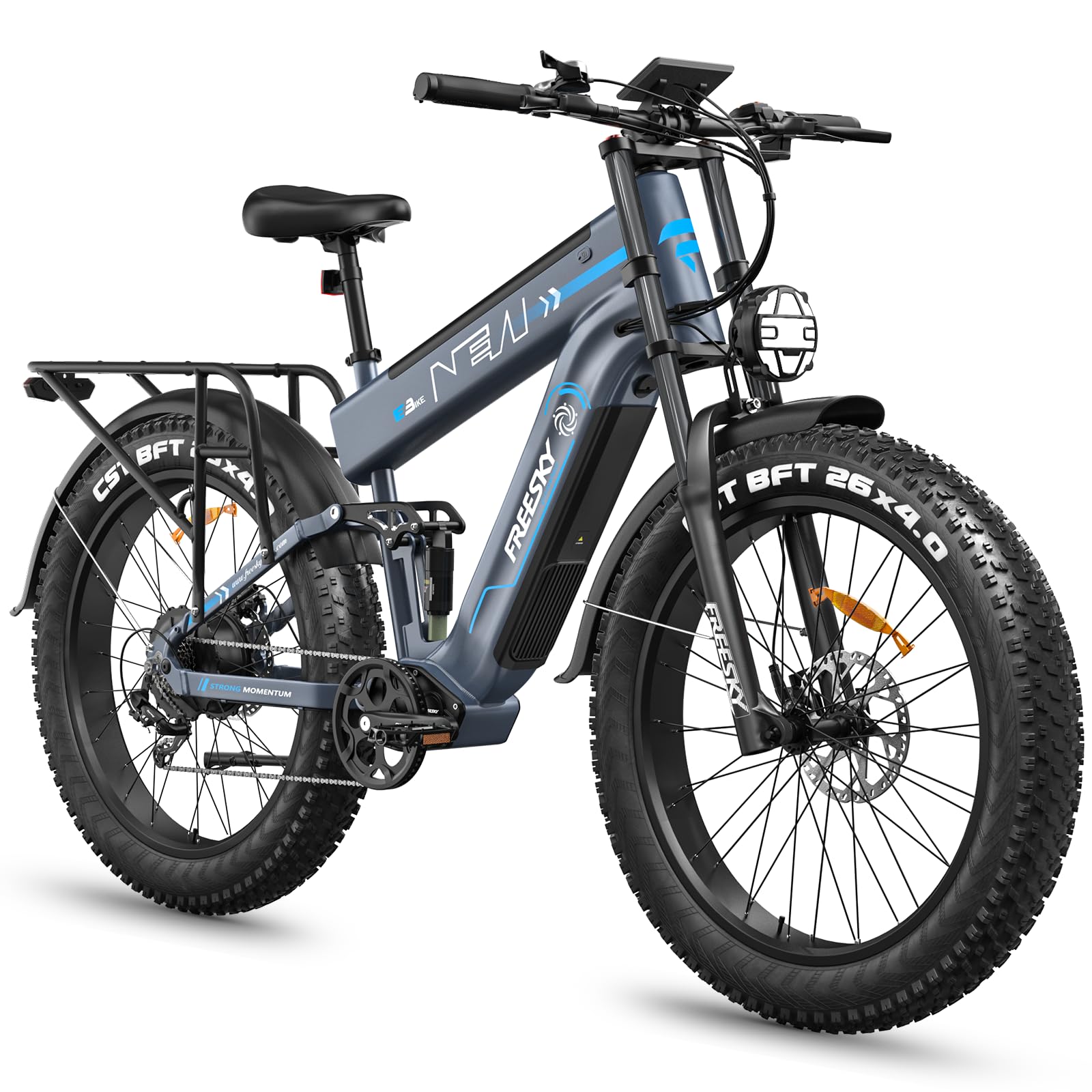
This bike suits riders who want a single e-bike that can handle fast commuting and occasional off-road power without buying two machines.
Pros
- Dual 48V 45Ah LG-cell batteries totaling roughly 2,000Wh of capacity
- 4,500W peak motor with 170Nm torque and dual 4-piston hydraulic brakes
- Ships 85% assembled with a 24-month warranty on major components
Cons
- 92-pound weight makes it hard to lift onto a car rack
- Factory mode caps at 20mph; higher speeds require manual off-road mode not street legal
- Stated 200-mile range reflects low-assist riding, not sustained high speed
| Preview | Product | Price | |
|---|---|---|---|

| FREESKY 4000W Dual Battery 48V 45AH Electric Bike 200 Miles | 40MPH, 26″ Fat Tire Mountain… | $1,599.00 | View on Amazon |
The listed 200-mile range and 40mph top speed describe different riding styles, not the same ride. Running near 40mph in pedal-assist will draw down the dual batteries far faster than the 200-mile figure suggests. For commuting at legal Class 2 speeds with occasional trail use, the power reserve and hydraulic brakes stand out as practical strengths.
2. ANIIOKI AQ177 Pro Max
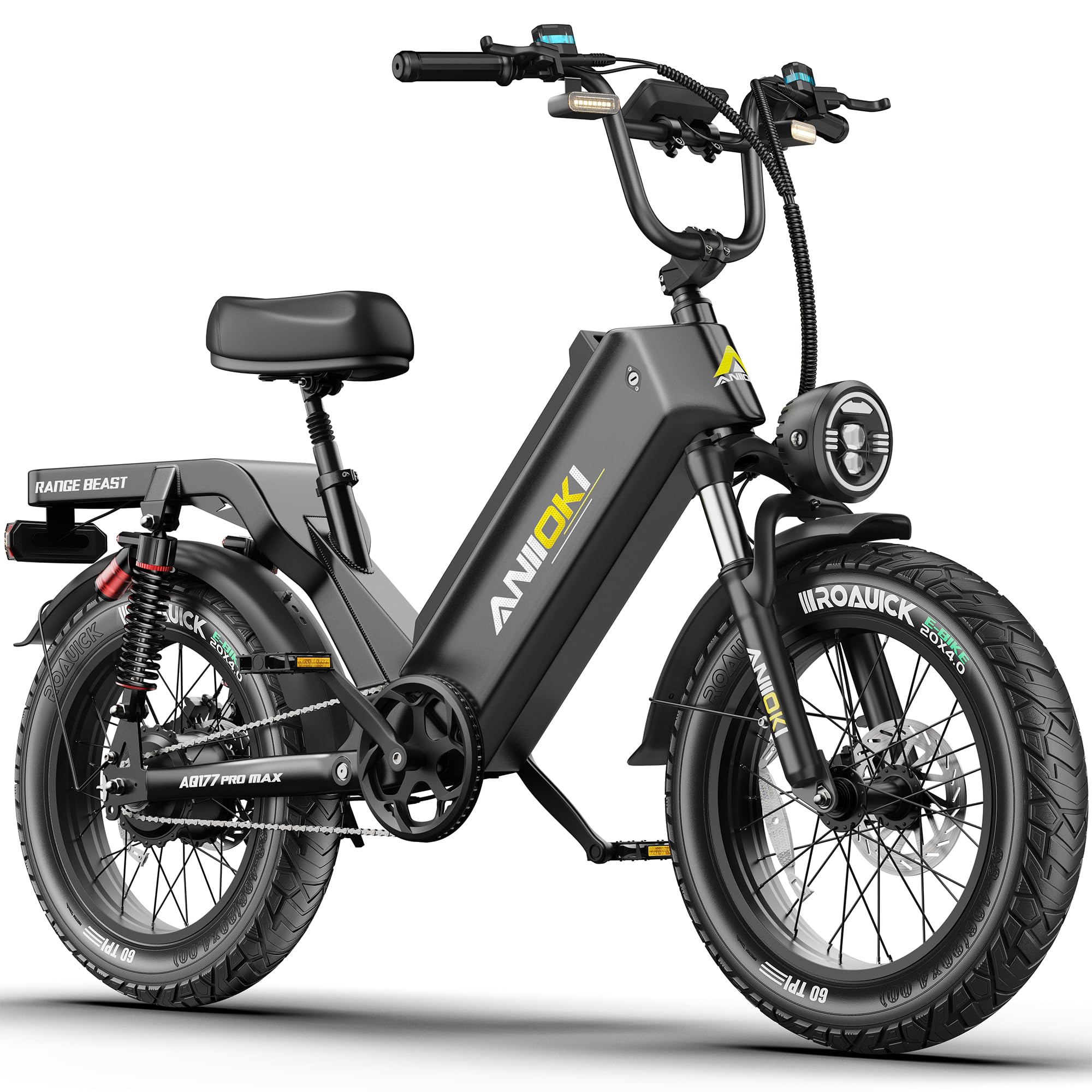
This bike fits riders who need all-day mileage for delivery work or long commutes without fussing over multiple assist settings.
Pros
- Large 48V 60Ah battery rated for 100 to 200 miles per charge
- 750W motor (1,200W peak) with 100Nm torque for loaded riding
- Simple 3-speed assist system with minimal learning curve
Cons
- Top speed caps at 30mph, lower than several competitors here
- Single motor with only one gear speed limits terrain versatility
- 1-year warranty is shorter than some dual-battery competitors
| Preview | Product | Price | |
|---|---|---|---|

| ANIIOKI eBikes for Adults, 200+ Miles Long Range Electric Bike, 28 MPH High Speed… | $998.00 | View on Amazon |
The 100 to 200-mile range band is wide because real results depend heavily on assist level and rider weight. Riders doing steady, moderate-speed delivery routes are more likely to land toward the higher end than those running full throttle. The fat tires and dual suspension add comfort for multi-hour shifts.
3. PHILIAM ET9 Dual Battery
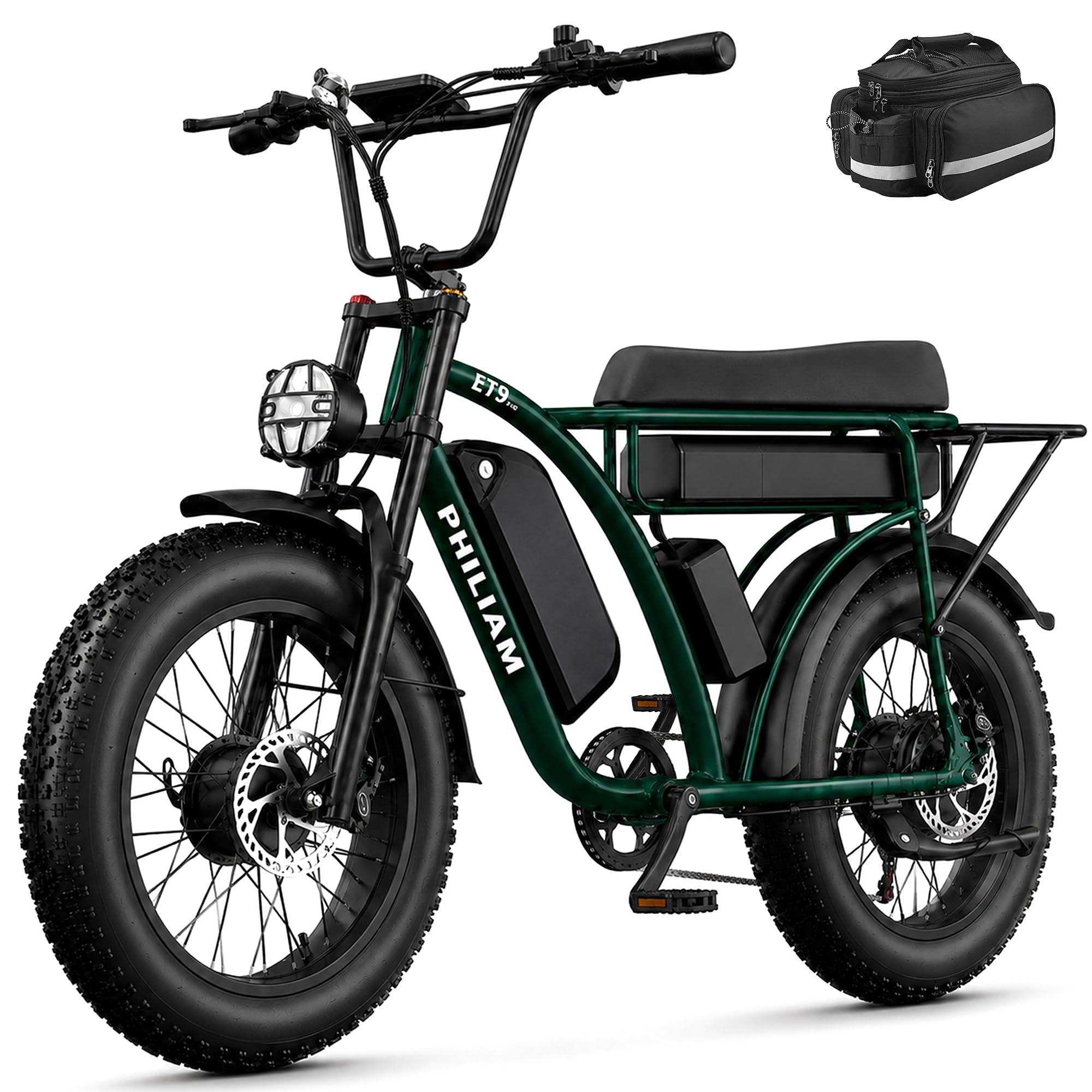
This bike works well for riders who need to haul gear or a passenger while still covering long distances.
Pros
- 52V 50Ah dual battery system rated for 80-100 miles electric-only
- Peak 3,000W dual motor setup (1,500W x2) with 120Nm torque
- Reinforced cargo rack, removable basket, and extended double seat
Cons
- 31mph top speed trails the FREESKY and Tamobyke on this list
- 200-mile range figure applies only with heavy pedal-assist use
- Some owner reviews mention shipping-related cosmetic issues
| Preview | Product | Price | |
|---|---|---|---|

| PHILIAM Dual Battery Electric Bike for Adults, 52V50AH Long Range Cargo Ebike Up to… | $1,049.99 | View on Amazon |
The 80-100 mile pure-electric estimate is a more realistic planning number than the 200-mile pedal-assist maximum. Riders who pedal consistently and keep speeds moderate will stretch range further than throttle-only riders. The cargo-focused build makes this a practical choice for errands and two-person rides rather than pure speed runs.
4. EUYBIKE Dual Battery Cargo Ebike
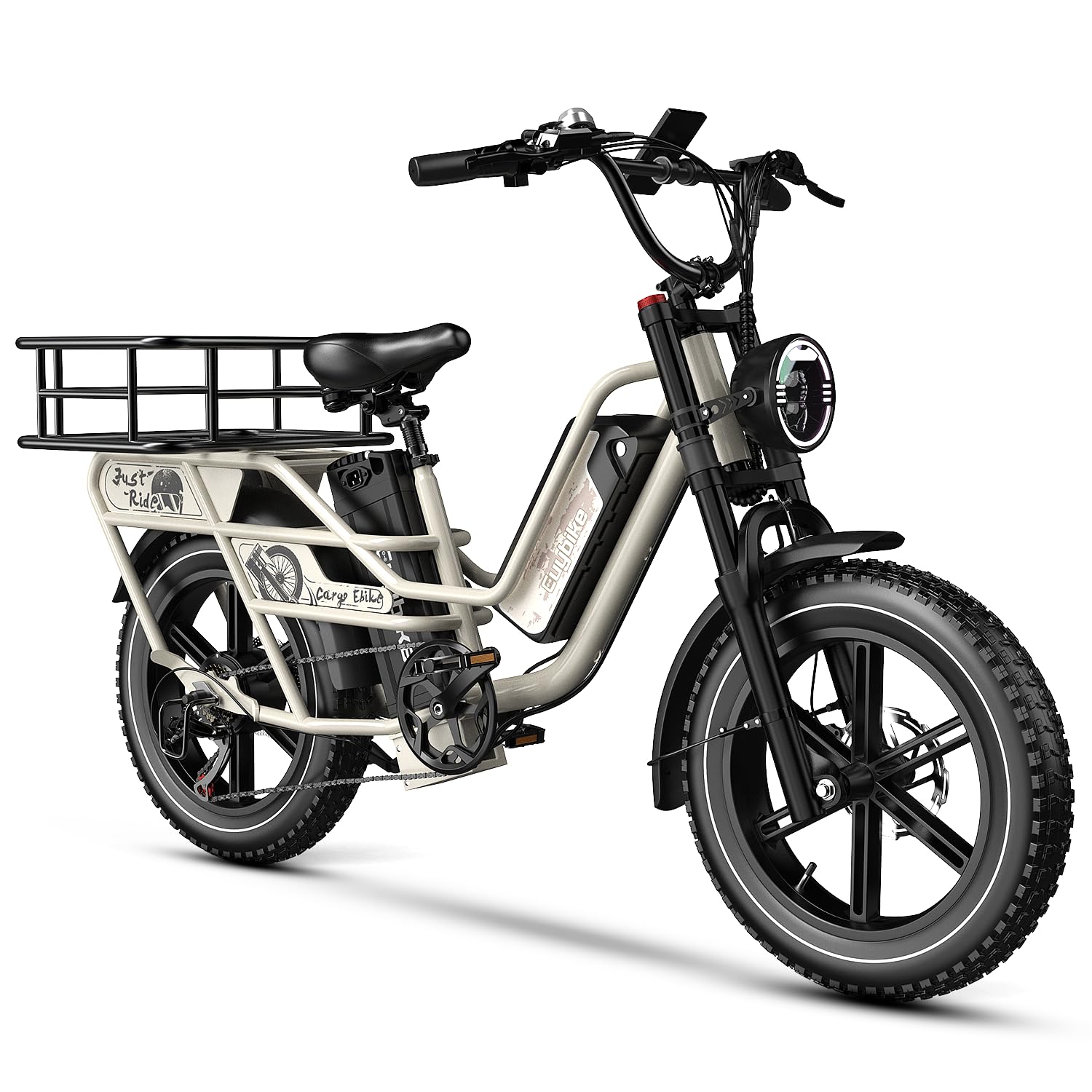
This bike makes sense for budget-minded commuters who want dual-battery range without the higher price of more powerful motors.
Pros
- Removable 48V dual batteries totaling 2,880Wh of capacity
- Front and rear hydraulic disc brakes for consistent stopping power
- Rear basket included for grocery runs and light cargo
Cons
- 750W motor (1,450W peak) is modest next to other dual-battery bikes here
- Several owners report real-world speeds below the listed speedometer reading
- At 105 pounds, it’s heavy to maneuver without power assist
| Preview | Product | Price | |
|---|---|---|---|

| EUYBIKE Dual Battery Electric Bike for Adults, 160 Miles Long Range Electric Bicycle with… |
$1,399.99
$1,099.99 | View on Amazon |
Owner feedback suggests the bike’s actual road speed runs lower than its onboard display shows, a reminder that speedometers on lower-cost e-bikes aren’t always calibrated precisely. The 160-mile range claim depends on steady pedal-assist riding rather than throttle use. For flat commutes and grocery trips, the price-to-range ratio is a reasonable trade-off.
5. Tamobyke T73Max
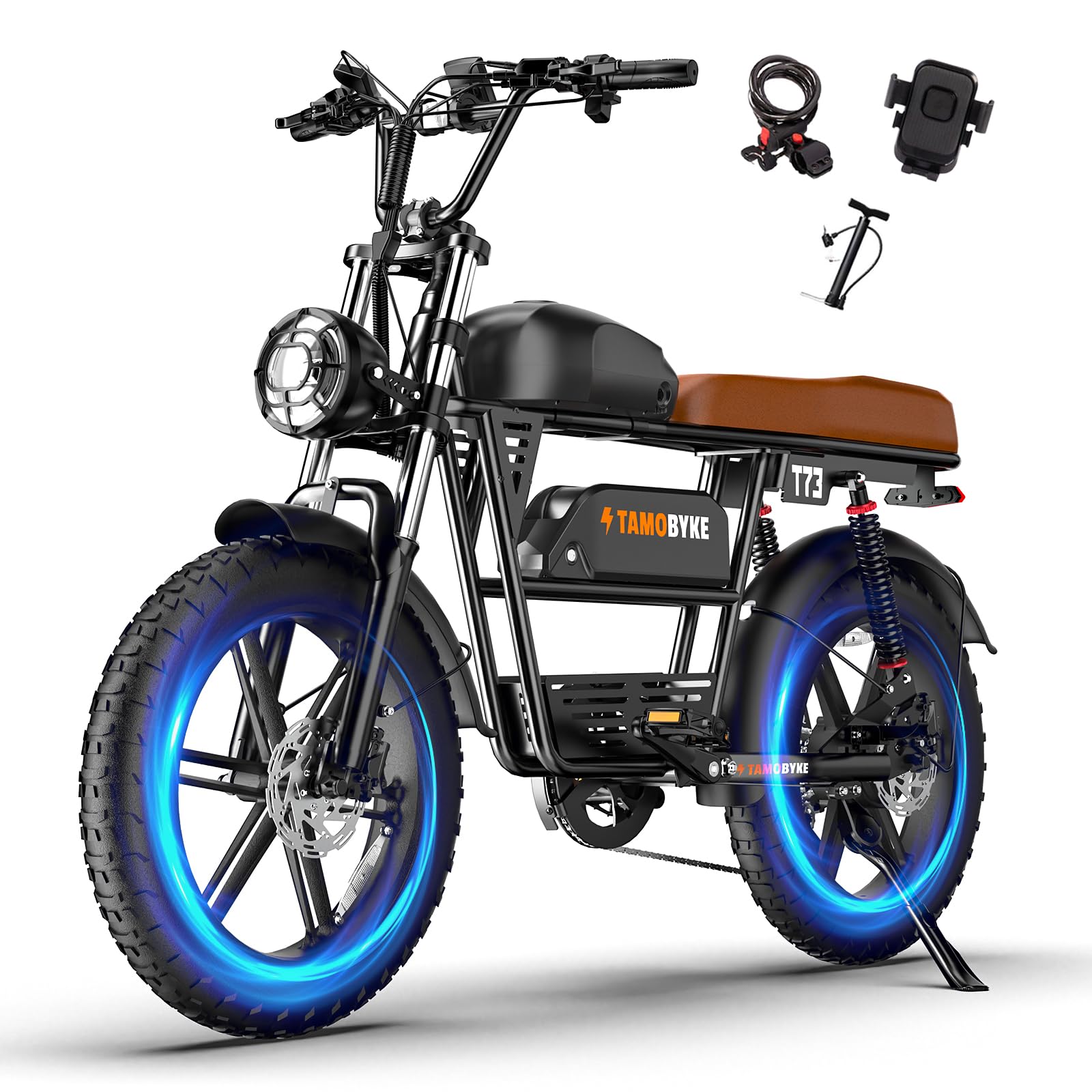
This bike appeals to riders who want retro styling along with dual-battery range and a quick top speed.
Pros
- Dual 48V batteries (20.8Ah and 15.6Ah) for roughly 1,747Wh combined
- 33mph top speed with 35-degree hill-climbing claimed in pedal-assist
- Six-layer suspension setup for comfort on rough terrain
Cons
- Smaller secondary battery means less total capacity than some rivals here
- 120-mile range figure reflects pedal-assist, not throttle-only riding
- Limited review history makes long-term reliability hard to judge
| Preview | Product | Price | |
|---|---|---|---|

| Tamobyke T73Max Dual Battery Electric Bike for Adults | 48V 41.6AH Battery Electric… | $799.00 | View on Amazon |
The 80-mile electric-only estimate is a sturdier number to plan around than the 120-mile combined figure, since reaching the higher number depends on consistent pedaling. The quilted saddle and low-step frame add comfort and easier mounting, which matters on longer rides where speed and range both come into play.
6. ESKUTE M300F
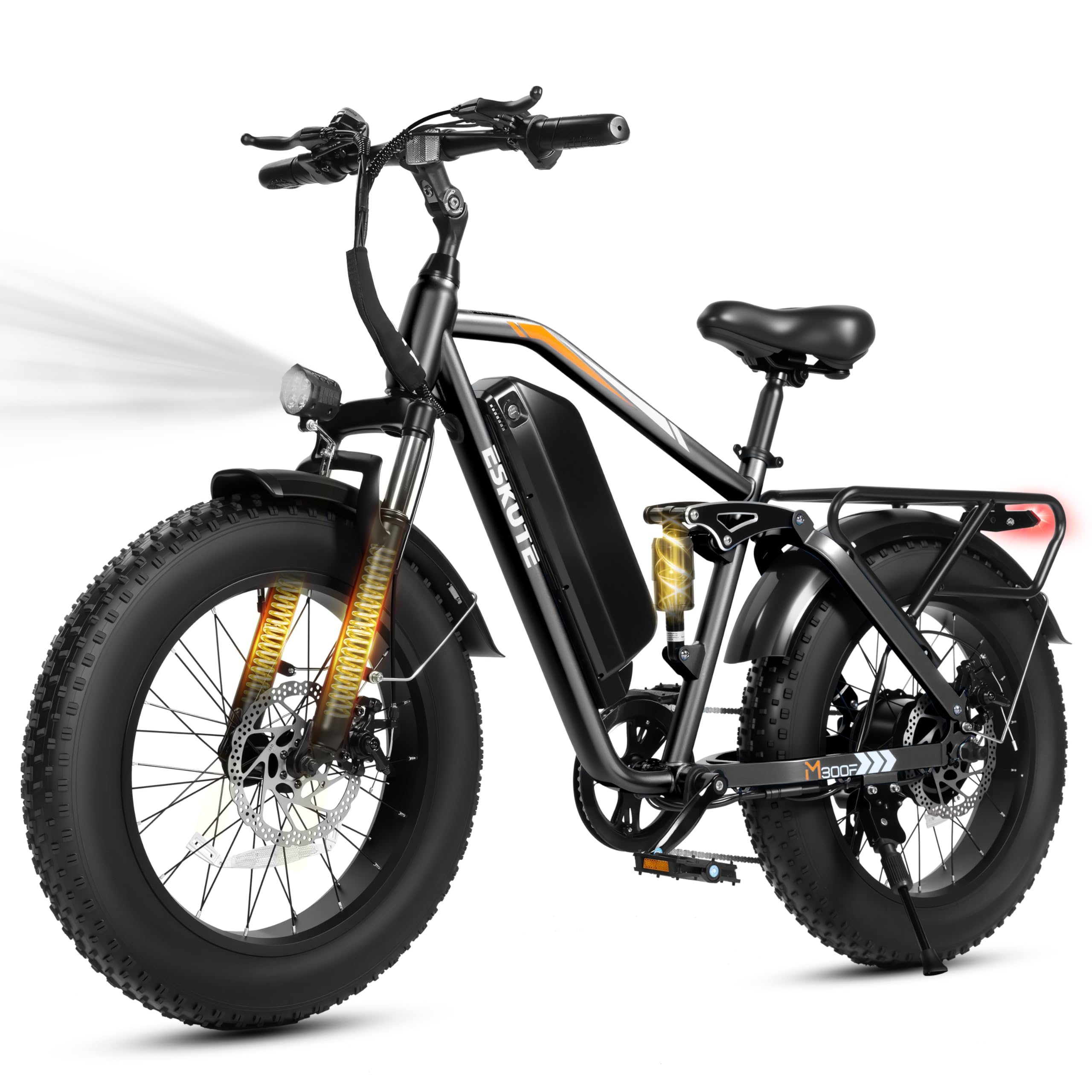
This bike suits riders who want a single-battery mountain-style e-bike without the bulk of a dual-battery frame.
Pros
- 52V 20.8Ah battery rated for up to 80 miles in pedal-assist mode
- Full front and rear suspension for off-road comfort
- Lighter single-battery design compared to dual-battery bikes on this list
Cons
- 1,200W peak motor is the smallest peak rating in this roundup
- No stated throttle-only range figure for comparison
- 12-month warranty is shorter than FREESKY’s extended coverage
| Preview | Product | Price | |
|---|---|---|---|

| ESKUTE M300F Electric Bike for Adults, 52V 20.8Ah Long Range Battery, 33MPH Fast Ebike… | $649.95 | View on Amazon |
The listing describes a 20+ mph top speed claim alongside marketing language suggesting faster performance, so riders should treat the lower figure as the more dependable baseline. The 80-mile range applies to pedal-assist riding, which typically outlasts throttle-heavy use. For riders prioritizing suspension comfort over outright power, this is the lightest option here.
Buying Guide
Separate Speed Claims From Range Claims
Top speed and maximum range are tested under different conditions and rarely happen on the same ride. A bike advertised with both a high top speed and a long range will not likely hit both numbers simultaneously; riding fast drains the battery quickly, while conserving battery for maximum range means slower, steadier speeds.
Understand Watt-Hours Before Comparing Batteries
Battery capacity is measured in watt-hours (Wh), calculated by multiplying voltage (V) by amp-hours (Ah). A 48V 20Ah battery holds 960Wh, while a 52V 30Ah battery holds 1,560Wh. Larger watt-hour numbers generally support longer range, but motor efficiency and rider weight also shape the final result.
Know the Difference Between Peak and Rated Motor Power
Motors list two numbers: rated (continuous) power and peak power. Rated power reflects what the motor can sustain for extended periods, while peak power is a short burst used for hill climbs or quick acceleration. A bike listing a high peak wattage may run on a much lower continuous rating day to day.
| Spec | What It Tells You | Watch For |
|---|---|---|
| Rated motor power | Sustained output for normal riding | Lower number than peak; more relevant for daily use |
| Peak motor power | Maximum short burst output | Not sustainable for long climbs or long distances |
| Battery watt-hours (Wh) | Total energy storage | Higher Wh generally means more range, not guaranteed |
| Top speed | Maximum speed under ideal conditions | Usually requires throttle or max pedal-assist on flat ground |
Match Tires and Suspension to Your Routes
Fat tires (20×4″ or wider) add stability on gravel, sand, or snow but increase rolling resistance, which can reduce both speed and range slightly. Front suspension smooths out bumps on moderate trails, while full front-and-rear suspension benefits riders tackling rougher terrain regularly.
Factor In Rider Weight and Terrain
Manufacturer range and speed figures are usually based on a rider of average weight on flat pavement. Heavier riders, steep hills, headwinds, and cold temperatures all reduce both achievable speed and range, sometimes substantially.
Check Brakes and Certification
Hydraulic disc brakes offer shorter stopping distances than mechanical disc brakes, which matters more as top speed increases. Look for UL certification (such as UL2849 for the electrical system or UL2271 for the battery) as a sign the bike has passed independent safety testing.
Frequently Asked Questions
Which e-bike offers the best balance of top speed and long range?
The FREESKY Alaska Pro combines a 40mph pedal-assist top speed with a 2,000Wh dual-battery system rated up to 200 miles, giving it the widest spread between speed and range in this roundup. Reaching both figures on the same ride isn’t realistic, since higher speeds use more battery power per mile.
Which long-range electric bike is best for adults?
The ANIIOKI AQ177 Pro Max targets riders who need consistent daily mileage, with a 48V 60Ah battery rated for 100 to 200 miles depending on assist level. Its simple 3-speed assist system makes it approachable for riders who want range without complicated settings.
Which electric bike has the best range for long rides?
The EUYBIKE Dual Battery Cargo Ebike offers the largest combined battery capacity in this roundup at 2,880Wh, with a stated range up to 160 miles. Actual mileage depends on how much the rider pedals versus relying on throttle power.
What is the best fast, long-range e-bike for the money?
The Tamobyke T73Max pairs a 33mph top speed with dual batteries totaling roughly 1,747Wh, offering a competitive mix of speed and range relative to its features. Riders should weigh its shorter review history against bikes with more established track records.
Can a high-speed e-bike achieve its advertised range at top speed?
No, riding at or near top speed draws significantly more power than cruising at moderate pedal-assist levels, which shortens the distance a battery lasts. Advertised maximum range figures are typically achieved at lower speeds or with heavier reliance on pedaling rather than throttle.
What should I look for when buying a fast, long-range e-bike?
Compare rated motor power (not just peak power), total battery watt-hours, and hydraulic brake specs, since these affect daily performance more than headline numbers. Also factor in your own weight, typical terrain, and whether you’ll ride mostly on throttle or pedal-assist, since all three change real-world results.
GoEBikeLife publishes independent e-bike reviews, comparisons, and practical buying guides. Some links on this page are affiliate links. If you make a purchase through an eligible link, we may earn a commission at no additional cost to you.