A little joy belongs in every day.

The Gotrax R7 is a comfort-first utility e-bike with a torquey city feel and realistic 25–45 mile range, but it’s heavy and not ideal for steep hills.
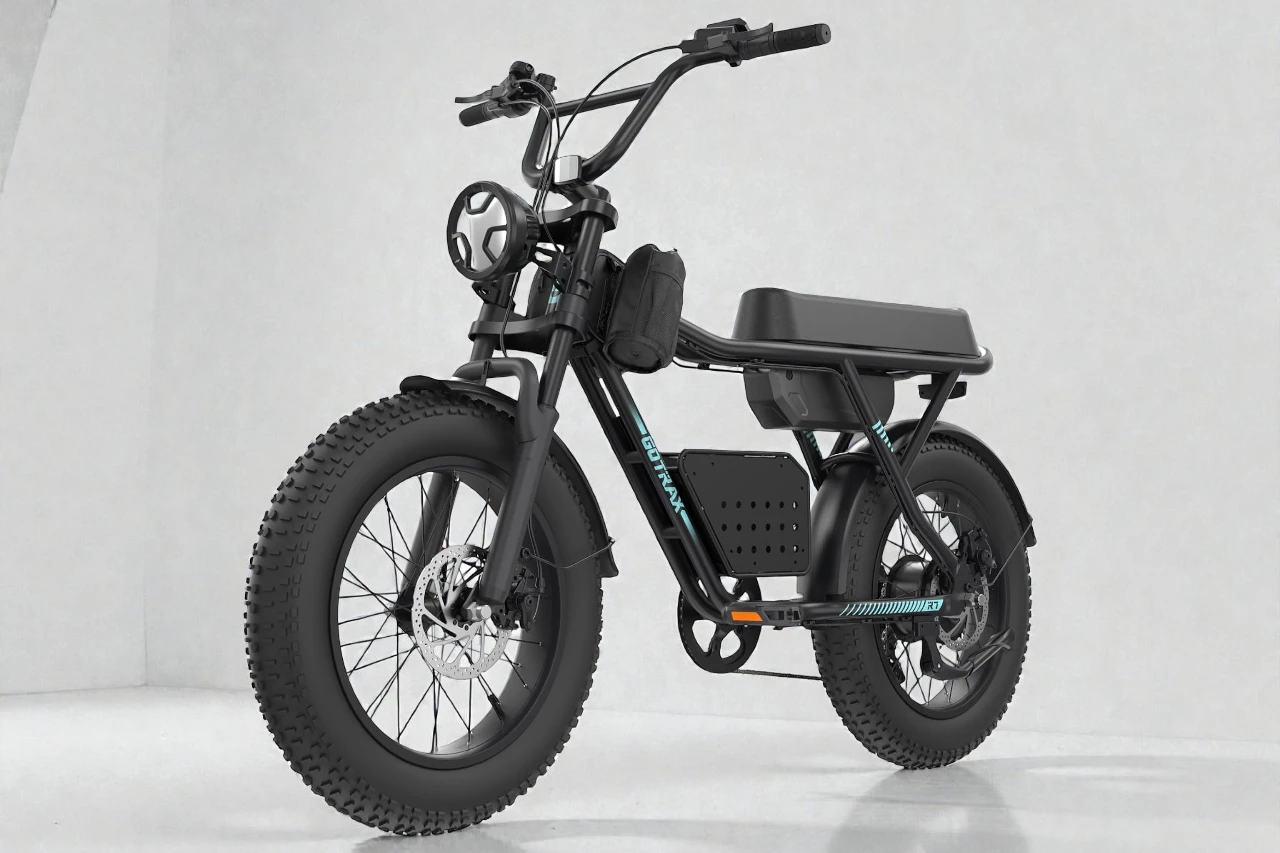
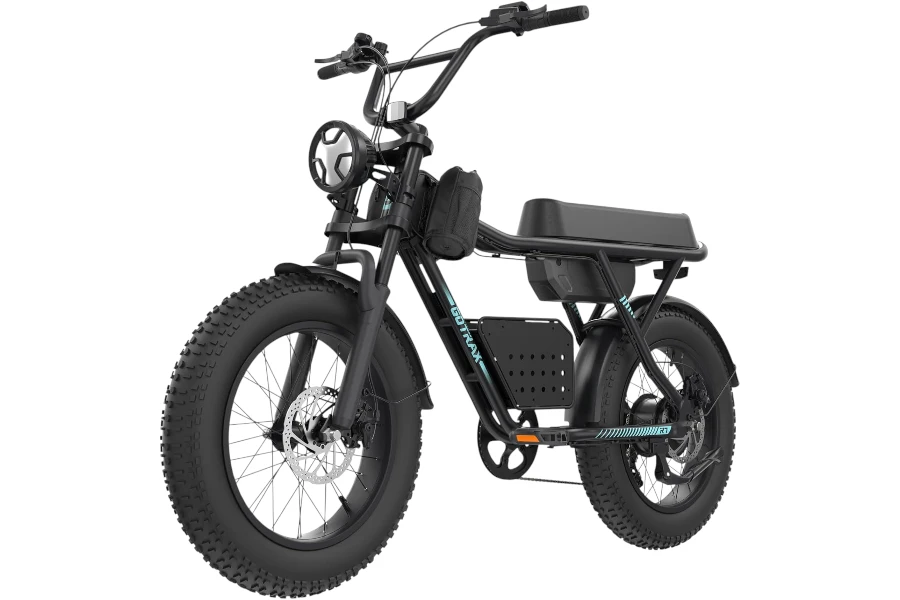
Comfort-first utility fat-tire ride with a torquey city feel, but the heavy, bulky format limits who it fits.
Bottom line: The Gotrax R7 is a strong choice for comfort-first commuting and errands on mixed city surfaces, but it’s a poor fit if you need to lift or carry your e-bike regularly.
Best for: Riders who want a stable, cushy “utility fat-tire” ride with a basket and simple controls for daily trips.
3-line decision summary


| Field | Value / Notes |
|---|---|
| Motor | 48V 750W-class brushless hub motor (claimed) |
| Battery | 48V 10.4Ah removable battery (claimed); key lock mentioned |
| Claimed range | Up to ~45 miles (some listings mention up to ~50 in ideal conditions) |
| Realistic range (my expectation) | 25–35 mi (faster riding / more throttle) • 35–45 mi (lower PAS + steady pedaling on flatter roads) |
| Brand test bands | PAS 1: 45 mi • PAS 5: 20 mi • Throttle: 23 mi (brand notes show test load around 176 lb) |
| Top speed | Up to 25 mph (claimed) |
| Bike weight | ~81.6 lb (published graphic) |
| Payload capacity | 264 lb (claimed) |
| Tires | 20″ x 4.0″ fat tires (claimed) |
| Brakes | 180 mm disc brakes (claimed) |
| Suspension | Front suspension fork (claimed) |
| Drivetrain | 7-speed + 5 PAS levels (claimed) |
| Safety certification | UL 2849 mentioned (verify label on the bike/battery when it arrives) |
| Ownership note | Comfort + utility accessories stand out; weight/bulk is the main trade-off |
Score snapshot
Rider: 5’10”, ~180 lb.
Use intent: Practical city riding and errand-style trips—exactly the kind of riding this model is built around.
Assist usage: Mostly PAS 4–5 when I wanted quick pace and easy starts; lower PAS when cruising.
What I did not instrument-test: I did not log GPS-verified top speed or a lab-style range drain to cutoff for this draft, so range is written as a realistic expectation based on my usage notes and the published PAS/throttle range bands.
It feels torquey and confident off the line for city use, but it’s not a rocket ship.
In stop-and-go riding, I got a solid “push” when starting from intersections—especially in PAS 4–5. The bike doesn’t feel twitchy in a scary way, but it does feel like a utility machine: it wants to roll forward with purpose.
The key point: This is the kind of assist that makes errands easy—merging into bike lanes, getting moving with a backpack, and restarting after traffic lights.
It feels happiest cruising like a fast commuter, but pushing the upper limit is less about “sport” and more about stability and braking.
The R7’s advertised top speed is in the 25 mph range, but real-world comfort depends heavily on surface quality and how much you trust the brake feel. With fat tires and an upright, comfort-first posture, it’s more natural as a confident cruiser than a high-speed precision tool.
Moderate hills are fine with PAS + gears, but steep climbs are not a throttle-only party.
On moderate hills, I could manage the climb without drama by using assist plus the lower gears. On steeper grades, speed drops noticeably if you try to stay throttle-only, which is typical for this class when load and grade increase.
The practical takeaway: If you live in a hilly area, plan to pedal on climbs. The 7-speed drivetrain matters here because it lets you keep cadence reasonable instead of forcing the motor to do everything.
It feels stable and forgiving on rough pavement, but it’s not nimble like a lighter commuter.
Fat tires naturally calm the ride and reduce the “sharpness” of cracks and broken asphalt. The trade-off is that quick direction changes and tight maneuvering feel more “steer the bike” than “flick the bike.”
If your routes include tight hallways, narrow storage spots, or frequent stair landings, this handling reality becomes an ownership issue—not a performance issue.
From my notes, a practical expectation looks like this:
The brand’s own PAS-band chart also implies the same pattern: higher assist = lower range, with a throttle-only figure around the low-20-mile zone under a roughly 176 lb test load.
A removable, lockable battery is convenient, but battery handling matters on a bike this heavy.
Removable batteries are most valuable when you can’t bring the whole bike near an outlet. If you plan to park in a garage and charge in place, removal matters less. If you live in an apartment, the removable battery helps—but the bike’s weight still makes daily handling the bigger issue.
If you weigh around 180 lb and ride like a normal person (not a brochure), plan around 25–45 miles depending on assist level and speed.
This model is positioned for mid-height adult riders, and it feels that way in practice.
A published fit graphic suggests a recommended height window around 5’2″–6’2″. That’s plausible for the upright “mini-moto/utility” geometry, but shorter riders should still pay attention to how confidently they can stop-and-start and place a foot down.
Comfort is the standout, but it trades away sporty pedaling feel.
I’d describe the R7 as a “comfort-first utility” e-bike. The oversized padded saddle is not subtle—it’s built to make casual rides and errand trips feel easy. Combined with 20×4 tires, it smooths out harsh pavement in a way many budget bikes simply can’t.
The trade-off is that it doesn’t encourage an efficient, bicycle-like pedaling style. It’s more of a relaxed seated cruise than a fitness-friendly commuter.
A front fork plus fat tires reduces vibration, but it does not turn this into a trail bike.
Front suspension helps tame the sharp hits. Fat tires handle the smaller stuff constantly. Together, they create a “forgiving” ride—especially useful on city streets that never got the memo about road maintenance.
But if your idea of “off-road” includes repeated chunk, speed, or aggressive descents, this setup is not the same as a true trail e-bike.
The brakes work predictably for commuting, but expect some tuning and a firmer lever pull compared with premium setups.
The R7 is listed with 180 mm disc brakes, which is appropriate on paper for a heavier fat-tire e-bike. In my riding notes, braking feel landed in the “fine but not premium” category—reliable for everyday stops, but not the kind of bite that makes you forget about stopping distance.
Also: small brake rub or squeal can happen early until everything is aligned. That’s not unusual, but it’s worth calling out because it impacts confidence.
Safety note: If UL 2849 certification is important to you, verify the certification markings on the bike/battery you receive.
This feels more “utility-ready” than many budget fat-tire bikes, but the small parts can be the weak link.
The pleasant surprise here is practicality: basket, bag, and fenders aren’t just filler—they change how you use the bike. When an e-bike arrives already set up for real errands, it gets ridden more.
The predictable downside: utility accessories are also where rattles start. Any basket mount, fender bracket, or bag strap can buzz on rough pavement if it isn’t re-tightened after the first rides.
35 minutes. Most of it came about 90% pre-assembled, and the remaining steps were straightforward: handlebar/front wheel/pedals/basket, then a final bolt check.
Expect normal wear items plus the usual “budget e-bike” settling period.
Brake adjustment and minor hardware tightening are common early. If you want a bike that never asks for a wrench, that usually means paying for higher-end assembly and components.
Better for: Riders who prioritize a more suspension-focused ride and higher-speed potential.
Why it can win: Full suspension designs can feel smoother on rougher terrain.
Why you might still pick the R7: The R7’s utility setup and comfort-first practicality can be the better daily errand tool.
Better for: Riders who want more battery capacity and more speed-focused performance.
Why it can win: Bigger battery specs can support longer rides and more aggressive riding styles.
Why you might still pick the R7: If your real priority is comfort + errands + simplicity, the R7’s “usable daily setup” may matter more than peak numbers.
It makes the most sense when priced like a practical commuter, not like a premium “electric motorcycle.”
Is the Gotrax R7 good for hills?
It handles moderate hills well with pedal assist and low gears, but steep climbs will slow down if you try to rely on throttle-only.
What range should a 180 lb rider expect?
A realistic expectation is roughly 25–35 miles with faster riding or heavier throttle use, and 35–45 miles with lower PAS and steady pedaling on flatter routes.
Does it feel stable above 20 mph?
The fat tires add stability, but higher-speed confidence also depends on brake tuning and surface quality. It feels more like a stable cruiser than a precision performance bike.
Is it comfortable for 45–60 minute rides?
Yes—comfort is one of its strongest traits. The oversized saddle and fat tires reduce fatigue from rough pavement compared with many budget commuters.
How hard is assembly?
It’s straightforward and mostly pre-assembled. My assembly took 35 minutes, mainly finishing the handlebar, front wheel, pedals, basket, and a final bolt check.
Are the brakes “good enough”?
They’re predictable for everyday commuting, but don’t expect premium bite. Heavier e-bikes often benefit from early brake adjustment and a proper bed-in.
Is it apartment-friendly?
The removable battery helps charging, but the bike’s weight and bulk make it a poor fit if you need to carry it or store it in tight indoor spaces.
What tends to loosen first?
Utility add-ons—basket, fenders, and mounts—are the most common sources of small rattles until everything is re-tightened after the first rides.
My final take: The Gotrax R7 is a comfortable, practical utility e-bike for real errands, but the heavy, bulky format limits who it fits.
Best for: City riders who want cushy comfort and included utility accessories for daily trips.
Biggest downside: Weight and “not-throttle-only” hill performance will frustrate apartment dwellers and steep-hill riders.
Smart buy if price is: Around the provided list-price range—especially if you have easy storage and value comfort over sport.
| Preview | Product | Price | |
|---|---|---|---|

| Gotrax R7 20″ Electric Bike for Adult, 750W Peak Motor, 45 Miles Range |
$899.99
$764.97 | View on Amazon |