Real rides. Real notes. No hype.

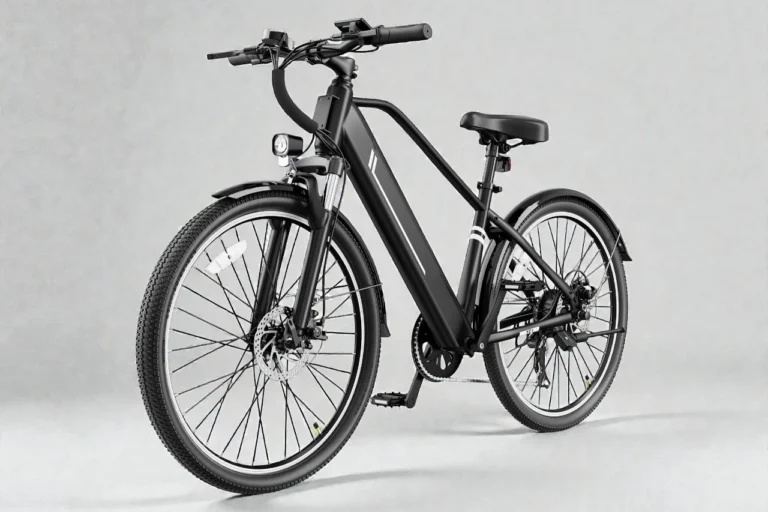
ZDZA ZA02 is a comfort-first step-thru commuter ebike. Assembly is quick, but brake alignment may be needed. Power is steady, not punchy.
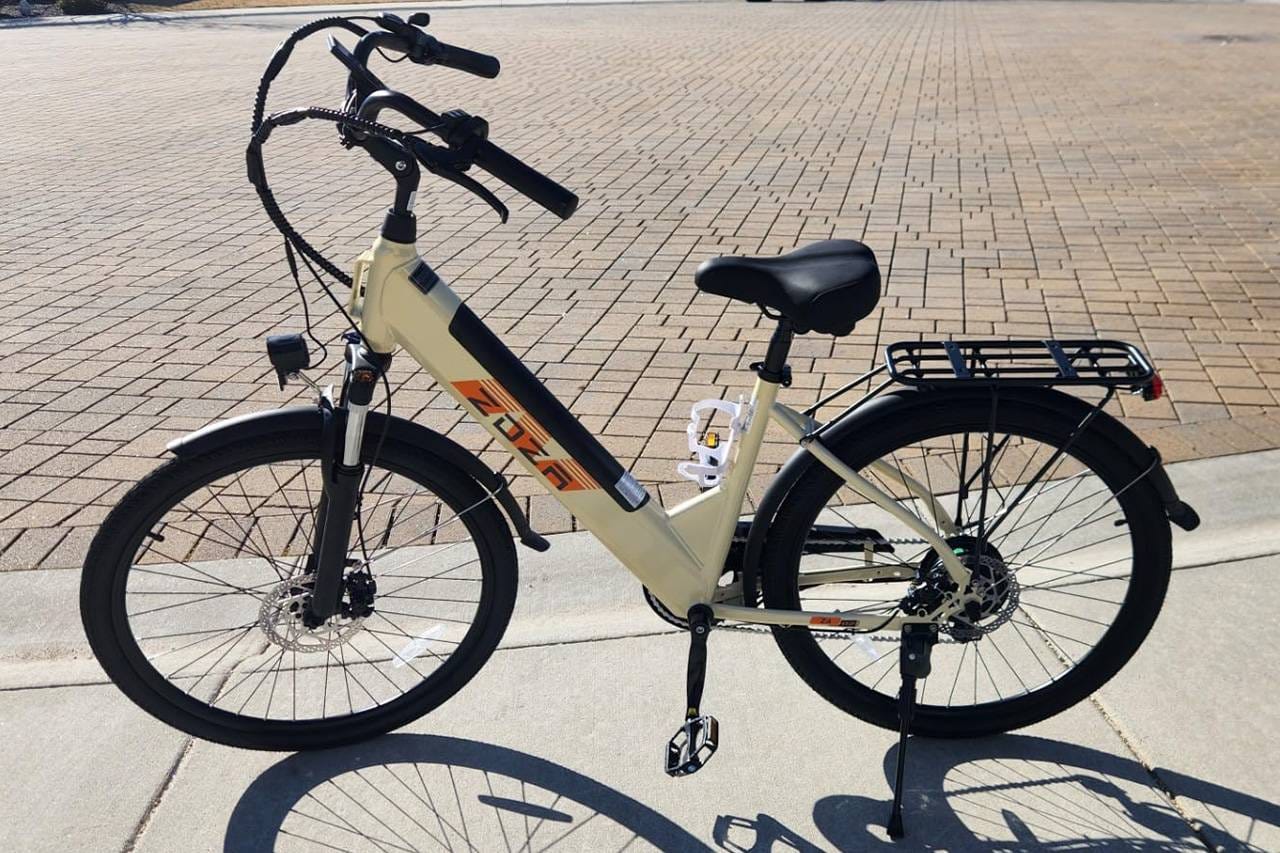
When I unboxed the ZDZA ZA02, my expectation was pretty simple: a budget-friendly, comfort-first commuter ebike that can handle everyday riding without feeling flimsy or sketchy. After putting it together, dialing in the fit, and riding it the way most people will—commuting, some hills, and a bit of light path/trail use—I’d describe the ZA02 as a practical step-thru cruiser with a few meaningful caveats.
I’m 5’10” and about 180 lb, and my riding during testing was roughly 60% commuting/errands, 25% hills, 15% mixed paths. Conditions were mostly dry, with a couple rides in cooler air (enough to notice how a bike like this can feel different when the battery and tires aren’t at their happiest).
If you’re shopping in this price range, the ZA02 can absolutely make sense—but only if you go in with the right expectations about power, setup, and the reality behind range claims.
I’d recommend the ZDZA ZA02 for riders who want:
I’m more hesitant to recommend it for riders who want:
Assembly was straightforward. From box to first ride took me about 30 minutes, mostly because it’s largely pre-assembled. I mainly had to finish the cockpit/seat setup and do the usual safety checks: bolts, tire pressure, brake lever feel, and shifting.
Out of the box, I had disc rub up front. The rotor/caliper needed re-centering, and until I fixed it, it added rolling resistance and made the bike feel “draggy.” After I aligned the caliper properly, the bike rolled and braked the way it should—but it’s something I’d expect a lot of buyers to run into on budget ebikes.
If there’s one thing that stood out to me as a genuine strength, it’s how the ZA02 handles comfort and usability.
The step-thru design is not just “nice to have”—it changes how often you’ll actually use the bike. I could hop on and off quickly for errands, stoplights, and quick trips without doing that awkward swing-over move (especially when wearing everyday clothes). For commuting and utility riding, this matters more than people think.
The adjustable stem/handlebar setup made it easier for me to dial in a more upright, relaxed position. On a comfort-first commuter, I want my shoulders and wrists to feel neutral, and I was able to get pretty close to that.
I also noticed the grips/hand position felt oriented toward comfort rather than aggressive riding. On longer city rides, that translates to less hand fatigue—assuming the bike is adjusted correctly for your reach.
The seat is positioned as shock-absorbing and comfort-focused. For me, it felt “commuter comfy,” meaning it’s fine for everyday distances without immediately making me want to swap it. I wouldn’t call it a premium saddle, but it matches the bike’s purpose.
The ZA02 is marketed around a “1000W peak” claim and a 20 mph top speed. In real riding, my impression is that the bike’s power delivery is best described as steady and usable, not thrilling.
On flat pavement, it holds typical commuting speeds comfortably. I could cruise at a practical pace without feeling like I was constantly fighting the bike. The throttle works, and the pedal assist does its job.
But the “peak watt” marketing sets a mental expectation of a strong surge. I didn’t consistently feel that surge. When I wanted quick acceleration—like merging across an intersection or jumping ahead at a light—the response was more calm than explosive.
On moderate hills, I could make good progress by downshifting and letting pedal assist help. On steeper grades, I had to contribute real effort, and speed dropped. That’s not automatically a dealbreaker—many commuter ebikes behave like this—but it matters if you’re buying the ZA02 specifically because “1000W peak” sounds like steep hills will be easy.
My bottom line: the ZA02 climbs okay if you ride it like a bike (shift + pedal), not like a mini-moped.
I care less about theoretical wattage and more about whether the assist feels predictable and whether the throttle is something I’d actually use.
The ZA02 is happiest in its commuter role: steady cadence, moderate assist, and sensible gearing. I found it most natural when I treated it like a traditional bike that simply makes riding easier.
I’d call the throttle usable, not punchy. It’s handy for rolling starts and for smoothing out stop-and-go traffic, but it didn’t consistently give me that strong, immediate shove some riders expect from high-peak-power marketing.
The ZA02 uses dual disc brakes (marketed as 160mm). After I fixed the front caliper alignment, braking felt predictable and secure.
That said, I want to be very clear: initial setup matters. With rotor rub, braking can feel inconsistent and the bike can feel slower than it should because you’re effectively riding with the brakes slightly on. Once adjusted, it was much better—and for a commuter, that predictability is what I care about.
With 26″ puncture-resistant tires and a front suspension fork, the ZA02 rides like a “city cruiser” first.
It’s not an aggressive trail bike. I rode it on light paths and mild mixed surfaces and it behaved fine, but it’s not something I’d choose for technical trails or fast, rough riding where you need higher-end suspension and sharper handling.
The ZA02’s marketing range claims vary depending on mode (pedal assist vs throttle). In my real-world mindset, I treat range like this:
Because I experienced brake rub out of the box, it reinforced how sensitive real range can be to setup. Even a small mechanical issue can shave meaningful distance off your ride.
My practical advice: if your commute absolutely requires long range with no margin for error, plan conservatively and assume the marketing figure is a ceiling, not a guarantee.
One of the reasons this bike feels genuinely “useful” is the commuter-ready setup:
If your use case is grocery runs, commuting, or general transportation, the ZA02’s design choices are pointed in the right direction.
I don’t think this bike is “bad,” but I do think there are several drawbacks that could be dealbreakers depending on who you are. I’m listing these the way I evaluate bikes for myself: who it affects, when it shows up, and why it matters.
Who it affects: Anyone who isn’t comfortable doing basic brake alignment (or who wants a perfect out-of-box ride).
When it shows up: Immediately—first roll out of the box, first test ride, or after shipping/handling knocks things slightly off.
Why it matters: Brake rub creates rolling resistance, reduces range, and can make braking feel inconsistent until fixed. In my case, the solution was straightforward (re-centering the caliper), but not everyone wants their first ebike experience to start with mechanical troubleshooting.
Who it affects: Riders expecting a strong surge, quick acceleration, or a more moped-like feel.
When it shows up: Starts, merging into traffic, and steeper hills—any moment you want immediate power.
Why it matters: If you buy based on the headline peak power, you might expect a punchier response. In real riding, I found it more “commuter steady” than “high-power exciting.” That gap between expectation and reality is where disappointment happens.
Who it affects: Riders in hilly areas, heavier riders, or anyone who wants hills to feel effortless.
When it shows up: Longer climbs and steeper grades—especially if you try to rely heavily on throttle without downshifting.
Why it matters: A commuter ebike should make hills easier, and the ZA02 does help, but it’s not a magic carpet on steep terrain. If your daily route includes sustained steep hills, you should expect slower climbing speeds and real rider input.
Who it affects: Long-distance commuters and riders who need a reliable margin of range every day.
When it shows up: High-speed riding, frequent throttle use, hills, cold weather, heavier loads, or mechanical drag (like brake rub).
Why it matters: Range anxiety is real. If you plan your commute around the maximum claim, you’re setting yourself up for stressful rides. I’d rather plan for less and be pleasantly surprised than plan for best-case and end up pedaling a heavy ebike home.
Who it affects: Buyers who compare products closely and want clear, consistent information before spending money.
When it shows up: Before purchase—when you notice differences in how features are described (for example, how battery design/claims are presented across listing text and graphics).
Why it matters: Confidence matters with budget ebikes. When specs feel inconsistent, I pay more attention to warranty clarity, parts availability, and how easy it will be to get help if something goes wrong.
Once I adjusted the cockpit for an upright posture, the ZA02 felt genuinely practical. The step-thru frame is the kind of feature that makes you ride more often because it removes friction from everyday use.
The combination of spec inconsistencies and the underwhelming “peak power” feel made me cautious. I don’t mind a commuter that’s tuned for smoothness—but I do mind marketing that can lead buyers to expect something it doesn’t consistently deliver.
I’d buy this bike (or recommend it to a friend) if the goal is:
I’d pass if the goal is:
After riding the ZDZA ZA02 the way a typical owner will, I see it as a solid budget commuter concept with a few real-world compromises. When it’s adjusted correctly, it’s comfortable, stable, and genuinely useful for errands and commuting. The step-thru frame and upright fit are the highlights.
But I wouldn’t buy it purely because of the headline “1000W peak” promise. In my experience, the ride feel is more practical than powerful, and the early brake alignment issue reminded me that this is still a budget ebike that may require a bit of hands-on setup to feel its best.
If you want a comfortable city cruiser that can help on moderate hills and make commuting easier, the ZA02 can be a good value—just go in with realistic expectations, do a careful setup, and treat range claims as best-case rather than guaranteed.
| Preview | Product | Price | |
|---|---|---|---|

|
ZDZA Electric Bike for Adults, 1000W Peak Motor, 60 Miles 22Mph Electric Bike, 26″ Commuter E Bikes… |
$559
$469 |
View on Amazon |