Real rides. Real notes. No hype.

The Yoloway YC1 blends a sleek hidden battery design with commuter basics. Here’s the honest verdict, range expectations, and who should skip it.
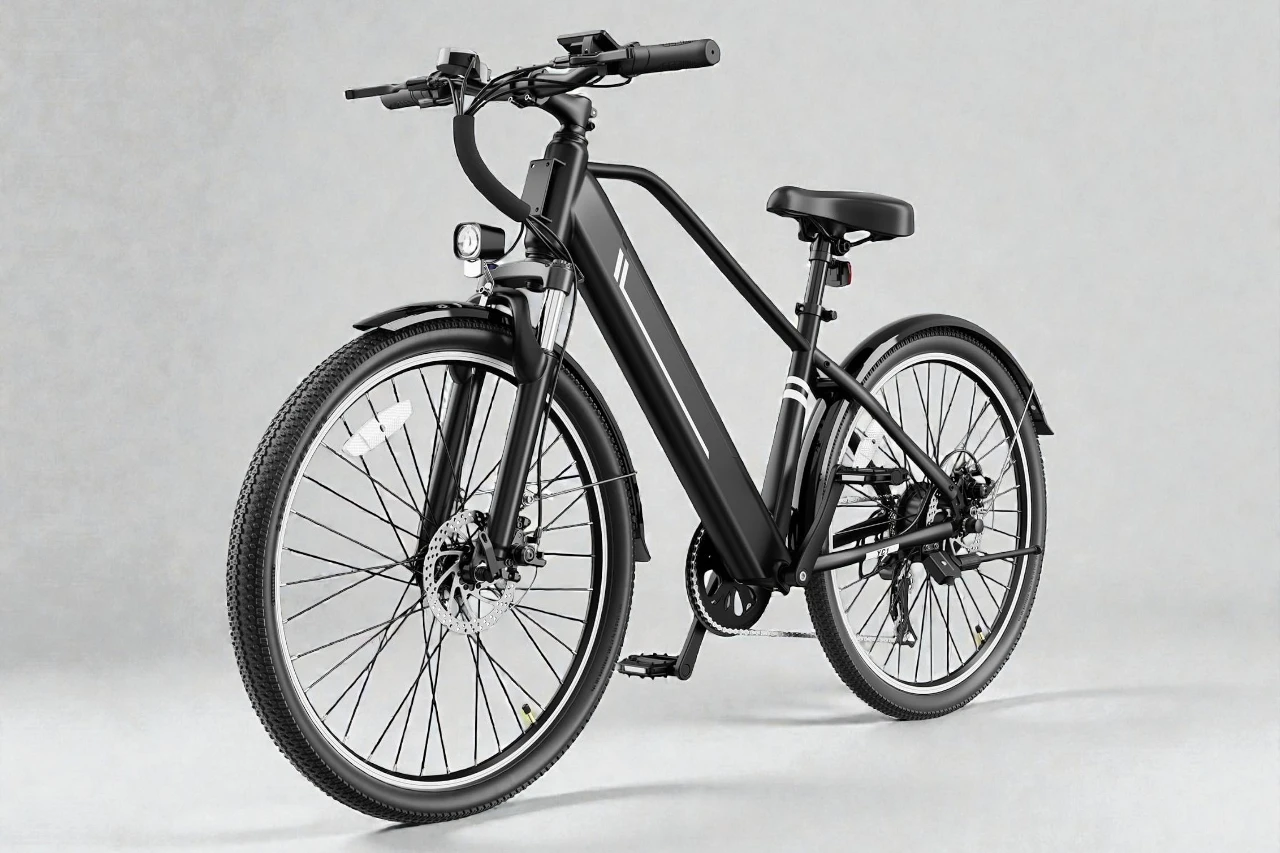
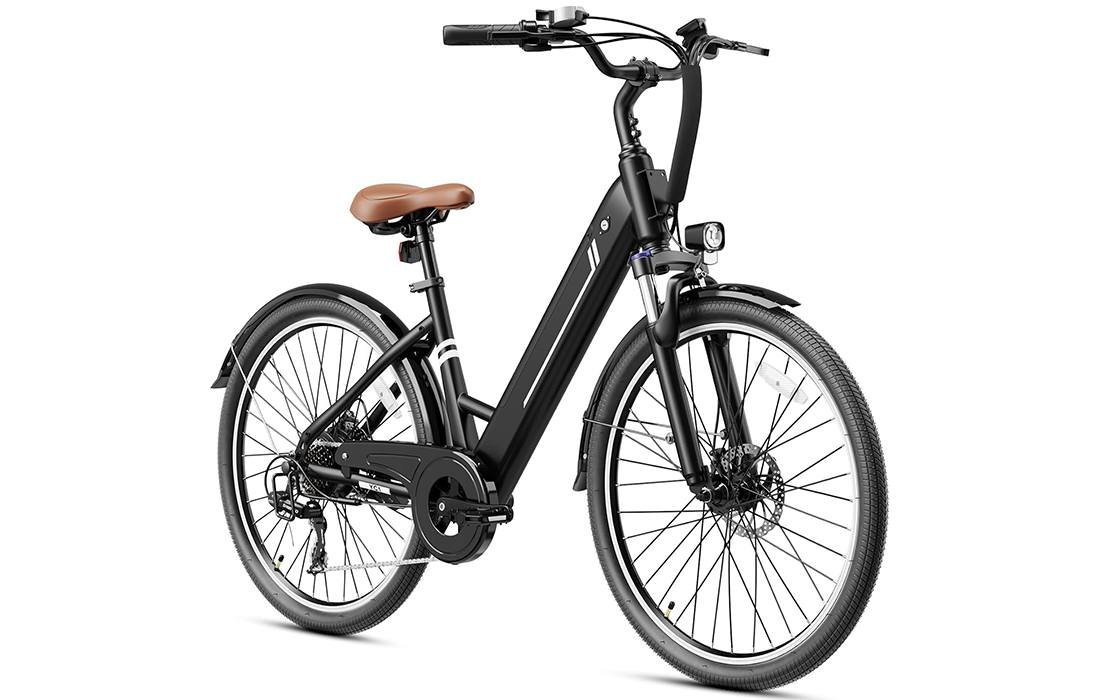
Sleek hidden-battery design and stable commuter manners, but mechanical brakes and a modest 375Wh pack set real limits for speed and hills.
Rider: 5′10″ / ~180 lb. Best fit for: flat-to-moderate routes, errands, and casual weekend rides.
The Yoloway YC1 is a budget-focused 26″ commuter-style e-bike built around a sleek step-through frame and a hidden, removable battery—the kind of design you usually see on pricier city bikes.
It’s clearly aimed at riders who want an easy daily ride to work, campus, or errands—mostly pavement, some park paths, and the occasional light gravel shortcut—without the “big battery brick” look.
Based on the provided riding notes and the bike’s feature set, the YC1’s main promise is simple: modern styling, straightforward power, and practical basics (fenders, lights) at an entry-level price.
One-sentence verdict: The Yoloway YC1 is a strong choice for budget commuters who want a clean, modern step-through e-bike, but it’s not ideal for steep-hill riders or anyone who demands hydraulic-brake stopping power.
Best for:
Not ideal for:
Biggest strength: Premium-looking frame + removable internal battery at a budget price.
Biggest trade-off: Mechanical disc brakes and a heavier, value-bike build mean more hands-on adjustment and less “set-and-forget” confidence.
(Scored for the budget commuter category—value and real-world usability first.)
Rider: 5′10″, ~180 lb, commuter-style riding posture preference.
Terrain focus: Pavement, neighborhood streets, bike lanes, and a little hardpack/light gravel.
Use case: Stop-and-go intersections, short hills, and steady cruising.
Assist usage: Mostly pedal assist for efficiency; throttle used for starts and short bursts.
Conditions: Typical fair-weather riding; no instrumented lab testing.
Important note: I’m not treating the “40+ mile” claim as guaranteed—range varies heavily with speed, hills, wind, tire pressure, and how much throttle you use.
The YC1 is trying to solve a very specific problem: many entry-level e-bikes look bulky because the battery is obvious. Yoloway went the opposite direction with an integrated battery look that keeps the frame clean, while still letting you remove the battery to charge indoors.
It’s also built like a practical commuter: 26″ x 2.0″ tires, a front suspension fork, 7-speed drivetrain, lights, and fenders—the core items most people actually use.
Where it stays “budget” is also clear: mechanical disc brakes (not hydraulic), a relatively modest 375Wh battery, and the kind of overall weight you typically see with value-focused frames.
| Spec | What it is |
|---|---|
| Motor | Hub motor, 1000W peak |
| Battery | 36V 10Ah (375Wh), removable |
| Charge time | 5–6 hours |
| Claimed range | 40+ miles in PAS |
| Top speed | Up to 25 mph |
| Drivetrain | Shimano 7-speed |
| Tires | 26″ x 2.0″ |
| Suspension | Front suspension fork |
| Brakes | Front + rear mechanical disc brakes |
| Lights/visibility | Headlight + reflectors/reflective elements |
| Certification | UL 2849 |
| Extras | Phone holder included |
If your goal is a simple, good-looking commuter that can handle typical streets, bike paths, and mild hills—and you don’t want to spend “brand-name commuter e-bike” money—the YC1 makes sense.
It’s especially appealing for:
Be picky here—this is how you prevent returns.
The YC1’s first impression is its clean frame design—the hidden battery styling genuinely makes it look more premium than typical under-$500 commuters. Mounting is easy thanks to the step-through layout, and the overall posture feels commuter-friendly rather than aggressive.
The first trade-off you notice quickly: the bike feels like a value commuter in weight and component feel—solid and stable, but not “featherlight” or sporty.
Starts (stop-and-go realism):
Hills (short climbs vs sustained grades):
Cruising (where it feels happiest):
Beyond assist (over the limit / motor off):
For a commuter, what matters is whether the bike feels stable and predictable—especially around 18–24 mph where many riders spend their time. The 26″ wheels and commuter geometry generally help stability, and the 2.0″ tires give a nice middle ground: not too slow, not too skinny.
Two buyer notes:
This is a 375Wh battery. That’s enough for real commuting—but it’s not a monster pack, so your speed discipline matters.
Conservative (slower speeds, steady PAS, flatter routes): ~25–40 miles
Typical (mixed riding, moderate assist, some stops): ~18–30 miles
Aggressive (higher speed, hills, heavy throttle use): ~12–20 miles
Top 3 range killers on this bike: higher speed, hills, frequent throttle starts.
Translate to life: For a 6–8 mile round-trip commute, many riders can reasonably expect 2–4 commute days per charge, depending on assist level and terrain.
Comfort is a blend of posture, contact points, and vibration control. The YC1’s commuter stance and step-through layout help a lot for casual riding. The front suspension is most useful for potholes, sidewalk seams, and rough patches, not true off-road.
Practical tip: with 26″ x 2.0″ tires, you can often improve comfort more than you expect by fine-tuning tire pressure (without going so low you risk pinch flats).
The YC1 uses mechanical disc brakes, which can be totally workable—but they’re not as effortless as hydraulics.
What to expect in practice:
On the safety side, it’s a big positive that the bike is stated to be UL 2849 certified, and the visibility package (headlight + reflectors) is commuter-appropriate—though serious night riders often upgrade lighting output.
The listing emphasizes multiple riding modes (pedal assist, throttle riding, pedal-only). That’s exactly what most commuters want: pedal assist for efficiency, throttle for quick starts.
One thing I’d verify before buying: sensor type (torque vs cadence). If it’s cadence-based (common at this price), expect assist to feel more “step-like” rather than naturally proportional to your effort.
The marketing image suggests a recommended rider height range around 5’1″–6’6″, which is broad. In reality, fit comes down to:
For shorter riders: step-through helps a lot, but confirm standover and minimum saddle height.
For taller riders: check maximum seatpost extension and bar reach—budget bikes sometimes feel short in the cockpit.
User experience notes indicate the bike is easy to assemble, which fits the category. Still, budget e-bikes benefit from a careful setup.
Good news: 26″ tires and a 7-speed drivetrain are generally easy to maintain and replace. The main “hands-on” part is brakes—mechanical systems are simpler, but they ask for more frequent adjustment.
Based on the provided details and images:
(If a rear rack is important to you, confirm it—this model appears more “fender-focused” than cargo-focused.)
Compared to lighter 700c commuter e-bikes: the YC1 wins on step-through ease and “premium-looking” battery integration, but it loses on portability and sometimes on efficient cruising feel.
Compared to mid-drive commuters: the YC1 is far cheaper and simpler, but mid-drives usually climb better at low speed and feel more natural on hills.
Compared to $800–$1,200 torque-sensor commuters: the YC1 can still be excellent value, but you’re giving up smoother assist feel and often better braking.
Is the Yoloway YC1 good for hills?
For mild-to-moderate hills, yes—especially if you use the 7-speed properly. For steep daily climbs, I’d look at higher-torque options.
Is it comfortable for longer rides?
Comfort is good for commuting and casual rides. For longer outings, tire pressure tuning and saddle comfort matter a lot.
Can shorter riders fit it?
Step-through helps, but confirm minimum saddle height and reach. The claimed height range is broad, so fit-checking matters.
Is the battery removable and easy to charge indoors?
Yes—this is one of the YC1’s biggest practical advantages.
How long does charging take?
The listing claims about 5–6 hours.
What maintenance should I expect most often?
Brake cable adjustments, tire pressure checks, and basic drivetrain tuning after the first few rides.
Is it safe / does it have verified certifications?
The listing states UL 2849 certification—still, always follow safe charging/storage practices.
What’s the first upgrade you’d make?
If you ride fast or in traffic: better brake pads and a brighter front light are common early upgrades.
Buy it if: You want a stylish, practical commuter e-bike with a removable hidden battery at a budget price.
Skip it if: You need serious hill performance, hydraulic braking, or you’ll be carrying the bike up stairs regularly.
Best use case: Flat-to-moderate commuting, errands, and relaxed weekend rides.
Main compromise: Mechanical brake maintenance and realistic range limits from a 375Wh battery—especially at higher speeds.
Personal judgment: If my goal was low-cost daily transportation with a clean look, I’d strongly consider it—as long as my route isn’t steep and I’m okay doing basic brake adjustments.
| Preview | Product | Price | |
|---|---|---|---|

|
1000W Peak Electric Bike for Adults, E Bike Up to 40+ Miles, Commuter Ebike 25MPH Top Speed, 360Wh… | View on Amazon |