Real rides. Real notes. No hype.

Velowave e-bikes compared and ranked. See which model fits your riding style, from torque-sensing comfort to value fat-tire utility and compact storage.

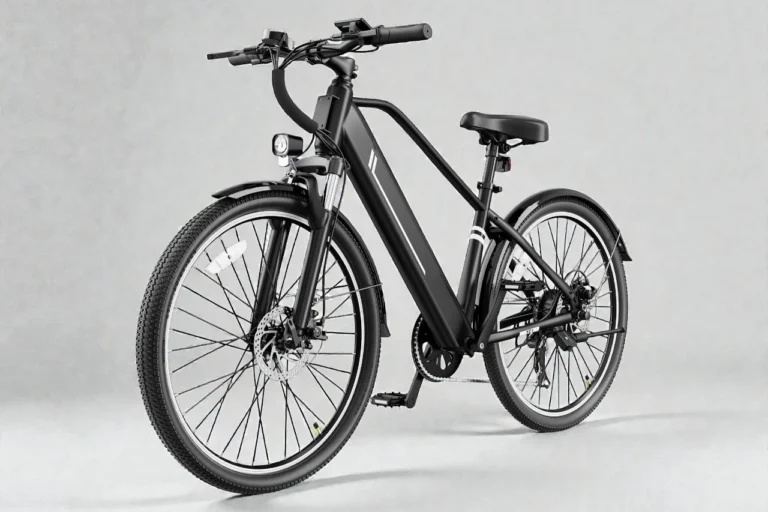
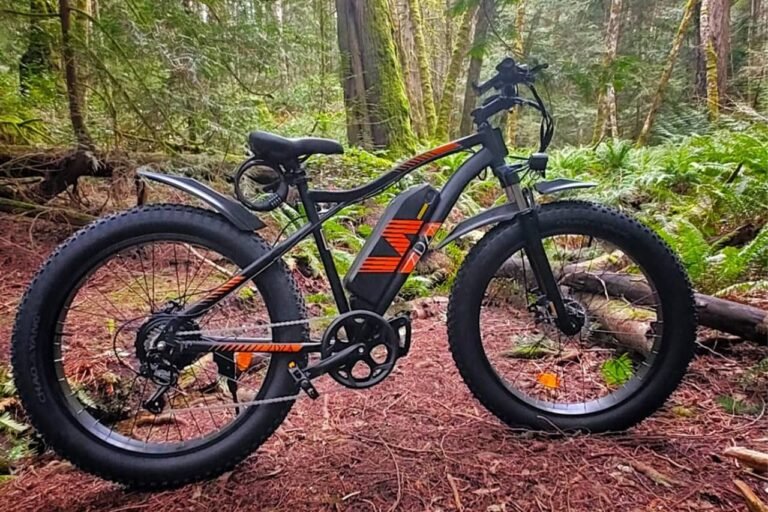
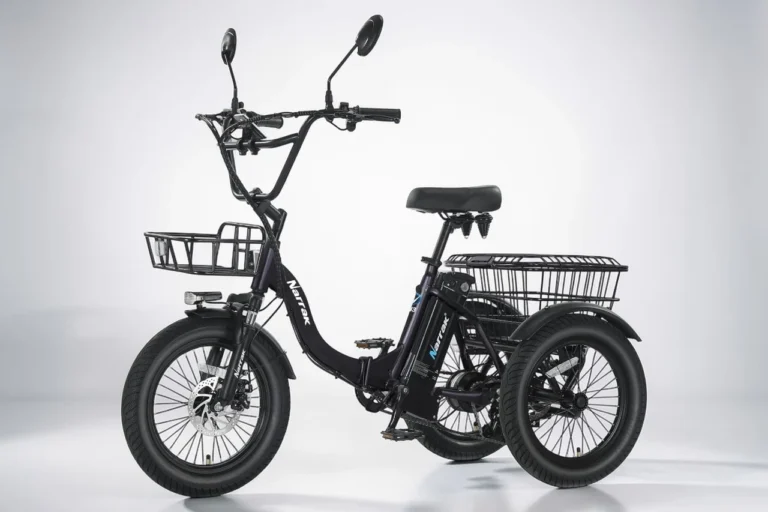
Velowave’s lineup leans heavily toward practical, do-it-all fat-tire e-bikes: upright geometry, hub motors, throttle support, and comfort-first components.
In this guide, I ranked four popular Velowave models by what matters most before you buy—ride feel (torque vs cadence), usable range, comfort/fit, braking confidence, and the realities of weight, storage, and maintenance.
Best overall pick: Velowave Grace — the torque sensor + bigger 48V 20Ah battery combo is the best “real riding” upgrade in this group.
Best value pick: Velowave Ranger 2.0 — you get Velowave’s core fat-tire formula (750W-class hub motor, hydraulic brakes, 48V 15Ah battery) without paying for the premium battery/sensor upgrades.
Who should buy from this list: riders who want a stable, upright, throttle-capable fat-tire e-bike for mixed terrain, comfort, and casual utility.
Who may want to look elsewhere: anyone who needs a lightweight bike for stairs, regular car-lifting, or frequent indoor storage—these are heavy e-bikes (roughly 73–80 lb depending on model).
| Model | Best for | Key strength | Main drawback |
|---|---|---|---|
| Velowave Grace | Daily riding + long-range comfort | Torque sensor + 48V 20Ah (960Wh) battery | Heavy, premium-leaning build (storage/transport matters) |
| Velowave Ranger Step-Thru | Easy mounting + comfort-first utility | Step-thru accessibility + fat-tire stability | Not torque-sensing (assist feel is less “bike-like”) |
| Velowave Ranger 2.0 | Best bang-for-buck all-terrain | Similar core spec set to Step-Thru, slightly lighter | Cadence sensor feel; still a heavy fat-tire bike |
| Velowave Pony | Compact footprint, shorter commutes | 20″x4″ fat tires + strong core specs | Still heavy for “compact”; smaller wheels feel different at speed |
If you care about how an e-bike actually feels—smooth starts from stop signs, controlled hill efforts, and less “on/off” surging—the Grace stands out because it uses a torque sensor and pairs it with a larger 48V 20Ah (960Wh) battery than the other bikes here. That combination tends to make everyday riding feel more natural and less like you’re being pushed by a motor that’s guessing what you want.
The Grace is the most “complete” riding package in this list. The torque sensor is the big deal: it typically makes the bike feel calmer in stop-and-go traffic and less jumpy when you’re pedaling lightly. That’s not just comfort—it’s also control, especially for newer riders.
The larger battery is another real-world upgrade. Even if you don’t chase the brand’s max-range numbers, the extra capacity usually means you can ride more of the week without babying the assist level.
This is not a “lightweight step-thru.” Velowave lists it at 80 lb, which is a practical issue for apartment stairs, hitch racks with low weight limits, or lifting into SUVs.
Also, as with any fat-tire hub-motor e-bike, expect a more planted, “mini-moto” vibe than a nimble bicycle feel.
| Pros | Cons |
|---|---|
| Torque sensor improves control and ride feel | Heavy (80 lb listed) |
| Bigger 48V 20Ah (960Wh) battery | Not ideal for frequent lifting/indoor carrying |
| 750W-rated Bafang hub motor (peak 1000W) | Fat tires add rolling resistance on pavement |
| Hydraulic disc brakes | Still a hub-motor + fat-tire riding style |
The Ranger Step-Thru is the “most people” pick: stable fat tires, upright fit, and a step-thru frame that makes getting on/off easier—especially if you’re wearing everyday clothes, carrying a bag, or dealing with limited mobility. It’s also positioned as a Class 3 style bike (up to ~28 mph pedal assist, ~20 mph throttle stated).
The biggest win here is simple: accessibility. Step-thru bikes tend to get ridden more because they’re easier to live with. On a heavy fat-tire e-bike, that matters.
Velowave’s own spec page for the Ranger Step-Thru 2.0 shows a 750W-rated motor (peak 1200W, 80Nm) and a removable 48V 15Ah LG-cell battery. That’s a strong “all-around” setup for casual hills, heavier riders, and light cargo on the included rack.
Assist feel is the trade-off. Velowave lists a speed sensor on the Step-Thru 2.0 spec section, which generally behaves more like cadence-based assistance than torque sensing. If you’re sensitive to how smoothly the motor matches your effort, the Grace will feel more refined.
Also note a common shopping gotcha: Velowave’s site lists 300 lb payload for the Step-Thru 2.0 spec section, while the Amazon listing highlights up to 350 lb (claims can vary by listing/model year). If payload is critical, verify the exact model/version you’re buying.
| Pros | Cons |
|---|---|
| Step-thru frame is easier to live with | Not torque-sensing assist (less “natural” feel) |
| Hydraulic brakes / 180mm rotors listed | Heavy, fat-tire handling isn’t nimble |
| 48V 15Ah removable battery (720Wh listed on Velowave) | Payload rating varies by source—double-check |
| Stable 26″x4″ platform for mixed terrain | Range is highly assist/terrain dependent |
The Ranger 2.0 is Velowave’s “core” fat-tire blueprint: a 750W-rated geared hub motor (peak 1200W, 80Nm), 48V 15Ah (720Wh) LG-cell battery, hydraulic brakes with 180mm discs, and simple cadence-style pedal assist. It’s also slightly lighter than the Step-Thru on Velowave’s listed weights (~73.0 lb vs ~76.9 lb, including battery).
If you want Velowave’s fat-tire capability without paying for the Grace’s bigger battery and torque sensor, the Ranger 2.0 is the cleanest choice. The 80Nm claim is plenty for most everyday hills, and the build uses mainstream parts (7-speed drivetrain, common tire size), which generally makes long-term ownership easier than niche, proprietary setups.
It uses a cadence sensor, which tends to feel more “on/off” than torque sensing. That’s not automatically bad—it’s simple and predictable—but it’s less refined in stop-and-go riding.
| Pros | Cons |
|---|---|
| Strong core specs for all-terrain riding | Cadence sensor feel isn’t as smooth as torque sensing |
| 48V 15Ah (720Wh) LG-cell battery | Still heavy (~73 lb listed incl. battery) |
| Hydraulic brakes / 180mm discs | Fat tires are slower on pure pavement |
| Thumb throttle for easy starts | Not a “carry upstairs” bike |
The Pony is the smallest-footprint bike in this roundup with 20″x4.0″ fat tires, which can be a big quality-of-life win for storage. It still keeps “adult-sized” core e-bike features: hydraulic disc brakes, a 750W Bafang hub motor (peak 1000W, 80Nm listed), and a 48V 15Ah battery.
For riders in apartments, garages with limited space, or anyone who wants a bike that feels less “long and bulky,” the 20-inch format can be a real advantage. The Pony still has the braking and motor fundamentals you want on a heavier fat-tire e-bike.
Don’t confuse “compact” with “light.” Velowave lists the Pony at 79.3 lb, which is actually heavier than the Ranger 2.0 on paper. So the Pony helps with footprint, not carrying.
| Pros | Cons |
|---|---|
| Compact wheel size helps storage | Still very heavy (79.3 lb listed) |
| 750W motor (peak 1000W, 80Nm listed) | Cadence sensor feel |
| Hydraulic disc brakes | 20″ wheels feel different at speed on rough pavement |
| 48V 15Ah battery | Shorter max-range claims than Grace |
If you want the assist to match your effort (especially from stops), torque sensing matters. In this list, the Grace uses a torque sensor, while Ranger 2.0 and Pony list cadence-based assistance, and Ranger Step-Thru lists a speed sensor.
Compare watt-hours, not just “miles.” Grace lists 960Wh, while Ranger 2.0 / Ranger Step-Thru list 720Wh, and Pony lists 750Wh. Bigger batteries give you more flexibility when you ride faster, heavier, or on hills.
These are heavy bikes. Before buying, plan where it lives, whether you can roll it inside, and whether your car rack can handle it. (Velowave lists ~73–80 lb depending on model.)
For heavier fat-tire e-bikes, hydraulic disc brakes are the baseline you want. All four models list hydraulic disc brakes.
If you want the most satisfying day-to-day ownership and the most “bike-like” assist feel, Velowave Grace is the best overall choice in this lineup thanks to its torque sensor and 48V 20Ah (960Wh) battery.
The compromise: it’s heavy, so you’re choosing ride quality and range flexibility over portability.
Is the Velowave Grace a torque-sensor e-bike?
Yes—Velowave lists the Grace with a torque sensor.
Which Velowave model here has the biggest battery?
Grace: 48V 20Ah (960Wh) is the largest listed.
Are these bikes Class 3?
Velowave lists Ranger 2.0 and Ranger Step-Thru 2.0 as Class 3 (up to 28 mph pedal assist, 20 mph throttle). Always confirm local rules.
How heavy are these Velowave fat-tire e-bikes?
Velowave lists roughly ~73–80 lb depending on model (including battery).
Is the Pony actually lightweight because it’s “compact”?
No—Velowave lists the Pony at 79.3 lb. It’s compact in footprint, not light to carry.
Do they have hydraulic brakes?
Yes—Velowave lists hydraulic disc brakes across Ranger 2.0, Ranger Step-Thru 2.0, Grace, and Pony.
What range should I realistically expect?
Manufacturer range claims vary by rider weight, speed, terrain, wind, and tire pressure. Treat “max range” as a best-case and expect less if you ride fast or use throttle heavily.
Ranger Step-Thru payload: is it 300 lb or 350 lb?
Velowave’s Step-Thru 2.0 spec section lists 300 lb payload, while the Amazon listing highlights 350 lb—verify the exact version you’re purchasing.