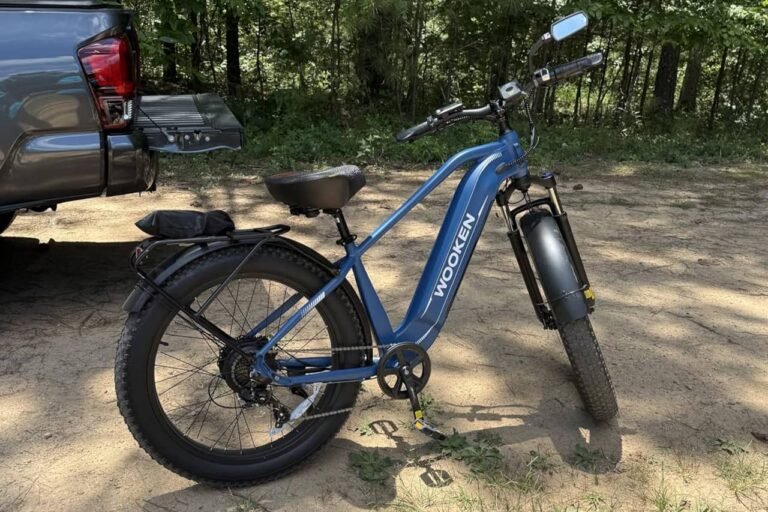
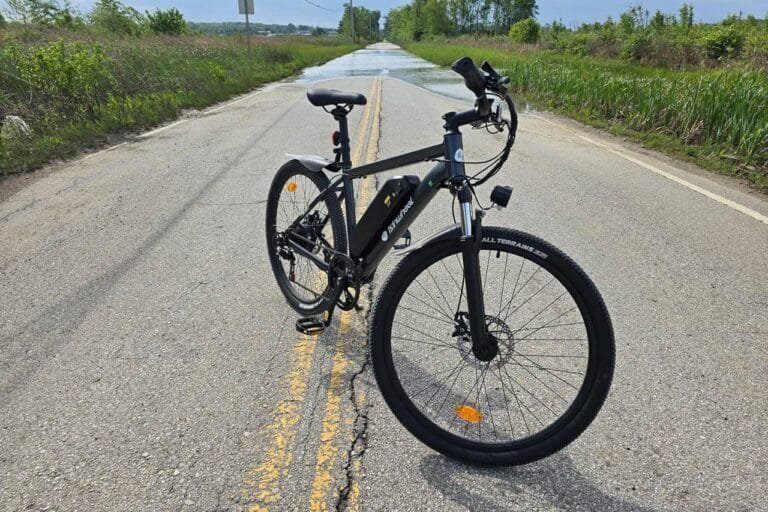
Comfort isn’t one feature—it’s a system. The bikes below were chosen because they combine impact absorption (tires + suspension), stable handling, and “all-day” rider contact points better than typical budget builds, but every comfort gain comes with a trade-off (usually weight, efficiency, or high-speed safety demands).
Best Overall Comfort + Confidence:FREESKY Swift Horse Pro (X-6E) — Full-suspension feel backed by strong braking and safety certifications, but it’s heavy and “too fast” for many riders’ real needs. Best Plush Cruiser for Rough Roads:EcoE 6000W Dual Motor — Big tires + full suspension + huge battery can feel like a rolling couch, but the speed potential raises legal and safety concerns fast. Best Comfort Value (Power-per-Dollar):GREATWORK M7 — Big battery and fat-tire stability at a lower price, but details around the suspension setup can be inconsistent—verify what you’re actually buying. Best “Comfort Without Overkill”:Windone E2 — Full suspension plus a lower top speed makes it easier to ride relaxed, but the smaller battery limits long-range comfort rides. Best for Loaded Riding (Rack/Cargo Comfort):PUJH PU3 — Lots of included accessories and a comfort-focused “multi-point” suspension approach, but spec consistency (especially suspension type) is a red flag to double-check.
Spec inconsistencies; high-speed braking must be taken seriously
~$1,000–$1,200
How We Chose These Picks
These are comfort picks first, not “fastest bike” picks. We focused on what actually reduces fatigue over 30–90 minutes of real riding.
Price range considered: roughly $850–$1,500
Primary riders: casual riders, commuters on rough pavement, heavier riders, weekend trail/gravel riders who prioritize comfort
We prioritized: suspension design, tire volume, braking confidence, stability, lighting/visibility, and battery capacity (because low battery often leads to harsher riding choices)
We avoided: “spec-only” comfort claims, weak brakes on heavy bikes, unclear battery safety/support language, and unrealistic range promises without conditions
Reality check: Several bikes here advertise very high speeds. Comfort at 20–28 mph is one thing; comfort and safety at 40–50+ mph is a different world that depends heavily on braking, chassis stiffness, tire quality, and rider skill.
Best Picks
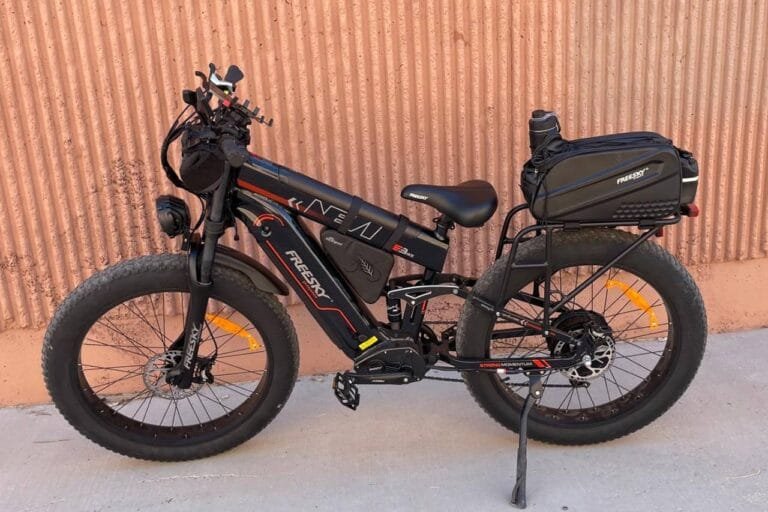
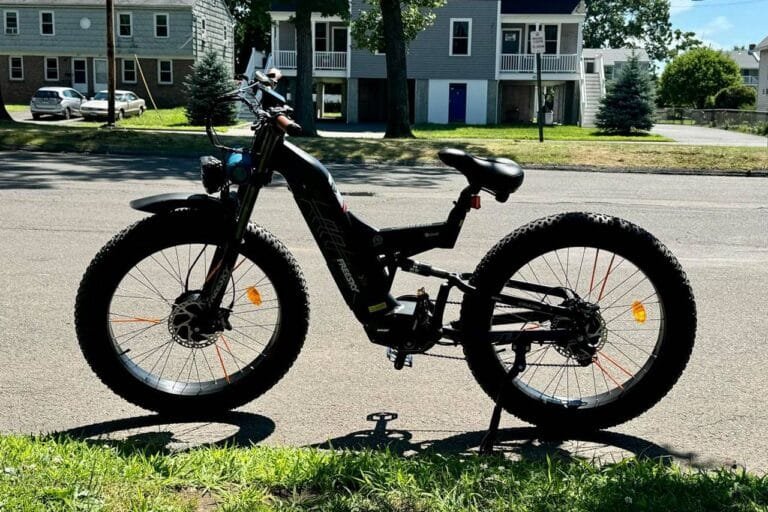
Best Overall: FREESKY Swift Horse Pro (X-6E) — Best for All-Terrain Comfort With Better Safety Backing
Verdict: This is the strongest “comfortable and confidence-inspiring” choice here because the suspension + braking package looks more complete, but it’s still a heavy, high-capability bike that many riders won’t fully need.
Evidence Snapshot:
Typical price: ~$1,399
Motor class: Peak 2500W BAFANG; built for torque delivery and sustained climbing
Battery size: 48V 30Ah ≈ 1440Wh; larger energy buffer = less voltage sag and smoother assist feel
Realistic range: For a ~180 lb rider: ~35–70 miles mixed riding is more believable than max-claims (fat tires + suspension add drag)
Top speed expectation: Up to ~38 mph (PAS unlock claim), throttle typically capped lower
Weight / portability: Likely very heavy; not apartment-friendly
Brakes:4-piston hydraulic discs are the biggest comfort-and-safety enabler on a heavy bike
Tire type + what it changes: 26×4 fat tires add stability and vibration damping, but reduce efficiency
What it’s great at:
✅ Reduces “road shock fatigue” on broken pavement and uneven hardpack because the suspension + tires share the workload
✅ Braking feels less stressful (especially on long descents or heavier riders) thanks to stronger hydraulic setup
✅ Comfort stays more consistent as the battery drains because large capacity helps smooth power delivery
Trade-offs:
⚠️ Weight and bulk: you feel it when moving, storing, or maneuvering at low speed
⚠️ High-speed capability is a responsibility: comfort doesn’t matter if the bike’s speed tempts riding beyond local legal limits or your protective gear/setup
Buy it if:
✅ You ride rough pavement, gravel, or mixed terrain and want a “less beaten up” feeling afterward
✅ You value brake confidence as part of comfort
✅ You want longer rides without the bike feeling weak late in the battery
Skip it if:
❌ You need to carry a bike upstairs or store it in tight spaces
❌ You only ride short, flat trips and don’t want the complexity/weight of a heavy full-suspension fat tire
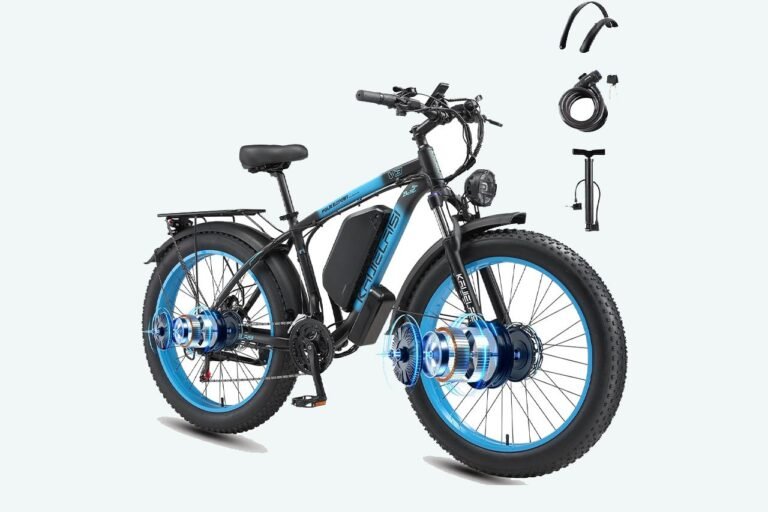
Best Plush Cruiser: EcoE 6000W Dual Motor — Best for “Couch-Like” Rough-Road Cruising
Verdict: This is the plushest “big tire + big battery + full suspension” style ride here, but the speed potential and mass mean you must prioritize safety and legality over bragging rights.
Evidence Snapshot:
Typical price: ~$1,299
Motor class: Dual-motor high-output setup; likely very strong initial pull
Battery size: 60V 32Ah ≈ 1920Wh; helps keep power feeling steady and reduces “weak at 30% battery” sensation
Realistic range: For a ~180 lb rider: ~40–80 miles depending heavily on speed and throttle use
Top speed expectation: Very high claim (52 mph) — treat as an upper-limit marketing number, not a comfort goal
Weight / portability: Almost certainly extremely heavy
Brakes: Disc brakes stated; confirm whether hydraulic (critical at this mass/speed)
Verdict: This is a strong value play because it pairs fat-tire stability with a big battery, but you should confirm the exact suspension configuration because listings can be inconsistent.
Evidence Snapshot:
Typical price: ~$949.99
Motor class: Dual-motor “peak” claims; likely strong acceleration, but real-world tuning matters more than peak numbers
Battery size: 52V 25Ah ≈ 1300Wh (excellent for price)
Realistic range: For a ~180 lb rider: ~30–60 miles mixed riding; lower if you chase top speed
Top speed expectation: Claims up to ~45 mph—again, treat speed as optional, not a comfort target
Weight / portability: Heavy; fat-tire + big battery builds usually are
Brakes: Hydraulic stated; good sign for comfort confidence
Tires: 24×4 fat tires—slightly smaller diameter can feel more “torquey” and stable, but less roll-over than 26″
What it’s great at:
✅ Comfort from tire volume: fat tires smooth out surface vibration in a way most riders feel immediately
✅ Battery headroom improves ride feel late in the ride (less “assist fade”)
✅ Good basic comfort geometry for casual cruising (assuming bar/seat adjust range fits you)
Trade-offs:
⚠️ Suspension clarity matters: if it’s primarily front suspension in practice, comfort on bigger hits won’t match true full-suspension bikes
⚠️ At high speed, cheap suspension can “pogo”: comfort becomes bounce unless damping is well-tuned
Buy it if:
✅ You want comfort and range without paying top-of-list money
✅ You’re okay doing a quick verification of build details on arrival (rear shock presence, fork quality, brake feel)
✅ You ride mixed pavement/gravel and want stability
Skip it if:
❌ You demand proven full-suspension comfort without ambiguity
❌ You need a nimble, lightweight bike for frequent carrying or tight storage
Best “Comfort Without Overkill”: Windone E2 — Best for Relaxed Riding at Realistic Speeds
Verdict: This is the easiest bike here to enjoy comfortably day-to-day because it combines full suspension with a more reasonable speed ceiling, but the smaller battery limits long comfort rides.
Evidence Snapshot:
Typical price: ~$929.99 list
Motor class: 1000W peak hub; strong enough for most casual hills, not a rocket ship
Battery size: 48V 13Ah ≈ 624Wh
Realistic range: For a ~180 lb rider: ~15–35 miles depending on assist level, tire pressure, and throttle use
Top speed expectation: ~28 mph (PAS), ~20 mph throttle
Weight / portability: Still heavy vs commuter bikes, but generally less extreme than dual-motor monsters
Brakes: Dual hydraulic stated—good for comfort confidence
Tire type: 20×4 fat tires—very cushy and stable, but less efficient and can feel “busy” over long distances
What it’s great at:
✅ Comfort at sane speeds: easier to ride relaxed, with less temptation to outrun the bike’s braking/handling envelope
✅ Full suspension + fat tires makes rough pavement far less annoying
✅ Cruise control mode can reduce hand fatigue on long flat paths (used responsibly)
Trade-offs:
⚠️ Battery is the limiter: comfort disappears when you’re stressed about making it home
⚠️ 20-inch fat tires can reduce “roll-over comfort” on larger potholes compared with 26-inch wheels
Buy it if:
✅ Your priority is comfort and fun for local rides, not maximum speed
✅ You want full-suspension feel without going into the heaviest, most extreme category
✅ Your typical rides are short-to-medium
Skip it if:
❌ You routinely ride long distances and don’t want range anxiety
❌ You want a lighter, more efficient commuter-style e-bike
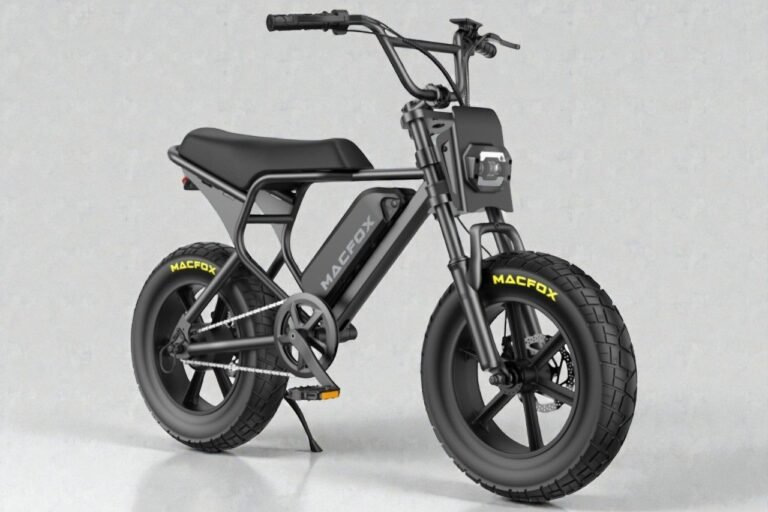
Best for Loaded Comfort: PUJH PU3 — Best for Comfort + Accessories
Verdict: This is a compelling “comfort bundle” if you want accessories and a cushy setup, but the spec inconsistencies mean you should verify the suspension and braking configuration immediately after unboxing.
Evidence Snapshot:
Typical price: ~$1,099 list
Motor class: Dual-motor high-output claims; likely strong torque and acceleration
Battery size: 60V 20Ah ≈ 1200Wh
Realistic range: For a ~180 lb rider: ~25–55 miles depending heavily on speed and dual-motor use
Top speed expectation: Claims ~45 mph; again, not a comfort target
Weight / portability: Heavy
Brakes: Dual hydraulic stated; essential at this category
Comfort stack is promising; verify specs on arrival
E-Bike Buying Advice: How to Choose for Maximum Comfort
The most comfortable e-bike is the one that keeps you relaxed, stable, and pain-free at the speeds you actually ride.
1) Start with your “comfort pain point”
Back/hips soreness: prioritize rear suspension + wide saddle and consider a more upright riding position
Hands/wrists numbness: prioritize front suspension damping + ergonomic grips and avoid overly stiff tires
Rough pavement fatigue: prioritize tire volume (fat tires) + sensible tire pressure and a stable frame
2) Decide whether you need true full suspension
True full suspension helps most when you hit repeated bumps, potholes, washboard gravel, or off-road chatter.
If you mostly ride smooth pavement, fat tires alone can already give “comfort you feel” without the maintenance and weight of full suspension.
3) Don’t ignore brakes—braking confidence is comfort
If a bike is heavy and fast, brakes become part of comfort because you stop worrying every time traffic changes or the trail steepens. Hydraulic (and especially multi-piston setups) matters here.
4) Battery size affects comfort more than people think
A bigger battery doesn’t just increase miles—it often keeps the ride feeling smoother and more consistent because voltage sag is reduced under load.
5) Choose a speed you can ride relaxed
Most riders are most comfortable in the 18–28 mph zone. Above that, small issues (tire quality, suspension tuning, brake fade, wobble) become big problems fast.
Realistic Range Guide
Comfort rides usually mean steady speeds, moderate assist, and fewer “full throttle” bursts. As a rough guide:
Gentle pedaling (PAS 1–2): often 60–80% of claimed range
Mixed riding (PAS 3): often 45–65% of claimed range
Throttle-heavy / high speed: often 30–50% of claimed range
Range drops with: high speed, hills, heavy riders/cargo, cold weather, low tire pressure, and soft knobby tires.
Red Flags to Avoid
The fastest way to buy an uncomfortable e-bike is to ignore these warning signs.
Unclear brake type on a heavy, high-speed bike
Spec inconsistencies (especially suspension type and battery claims)
No clear battery safety/certification language or vague support promises
“Peak power” hype without confidence indicators like braking quality, lighting, and stable geometry
Comfort claims that ignore fit (handlebar height, reach, saddle adjust range)
Worth-It Price Thresholds
Comfort is worth paying for—but only up to the point where the compromises stop making sense.
FREESKY Swift Horse Pro (X-6E) is worth it under $1,450. If it’s priced higher, you should demand clearer proof of long-term support, parts availability, and documented suspension/brake quality.
EcoE 6000W Dual Motor is worth it under $1,350. Above that, you should only proceed if you confirm the brake system is truly confidence-level for the bike’s mass and speed potential.
PUJH PU3 is worth it under $1,150. Above that, the spec inconsistencies become harder to justify unless the delivered build quality is clearly strong.
GREATWORK M7 is worth it under $1,000. Above $1,000, the value advantage shrinks unless you confirm you’re getting the suspension setup you expect.
Windone E2 is worth it under $950. Above that, you’re paying near “bigger-battery” territory, and the 624Wh pack becomes the limiting factor.
FAQ
1) What actually makes an e-bike feel “comfortable” on the road?
A comfortable e-bike reduces vibration and sharp hits through tires, suspension, and contact points, while keeping handling stable so you aren’t tense.
2) Are fat tires always more comfortable?
Often yes on rough pavement and gravel, because they damp vibration. The trade-off is lower efficiency, slower handling, and sometimes more noise.
3) Does full suspension always beat front suspension for comfort?
On repeated bumps and rough surfaces, yes—rear suspension reduces lower-back and hip fatigue. On smooth pavement, fat tires alone can be “enough.”
4) Why do brakes matter for comfort?
Because comfort includes confidence. If you trust the brakes, you ride relaxed. If you don’t, you ride tense—and fatigue comes faster.
5) How much does rider weight change comfort and range?
Heavier riders usually see more suspension compression (which can be good or bad depending on tuning) and lower range, especially on fat tires.
6) What’s a realistic range for these fat-tire comfort bikes?
For many riders, 25–60 miles is realistic depending on battery size and speed. High-speed throttle use can cut that dramatically.
7) Can a very fast e-bike still be “comfortable”?
It can feel plush over bumps, but at high speed you need excellent brakes, stable chassis, quality tires, and disciplined riding habits. Comfort doesn’t override risk.
8) What’s the best tire pressure for comfort?
Lower pressure increases comfort, but too low can feel sloppy and risk pinch damage. For fat tires, many riders find a sweet spot where the bike feels planted without “wallowing.”
9) What comfort upgrades actually help after you buy?
An ergonomic saddle that fits you, quality grips, and careful suspension setup often improve comfort more than chasing bigger motor numbers.
10) How do I avoid buying a “comfortable on paper” bike?
Look for brake clarity, consistent specs, and realistic range claims. Comfort marketing is easy; comfort under real load and real speed is harder.
GoEBikeLife is reader-supported. If this guide helped with your research, using the links in this article may help support our work. It helps us keep publishing practical e-bike reviews and buying guides at no extra cost to you.
Disclosure: As an Amazon Associate I earn from qualifying purchases.
At GoEBikeLife, we love sharing e-bike knowledge, but maintaining this blog takes time and resources. If you find our content helpful, we’d appreciate it if you shop through our trusted affiliate links, such as Amazon. When you make a purchase, we earn a small commission at no extra cost to you. It’s a simple, anonymous way to support our work. Thanks for helping us keep the wheels turning!