Real rides. Real notes. No hype.

Updated Bluvall K10 Trail review: dual-motor AWD, 2236Wh dual batteries, improved rear coil shock, dual chargers, real pros/cons and range.

Editor’s Note:
Recently, I’ve received some negative feedback from Bluvall customers regarding after-sales support and warranty handling. Until I see clearer improvement in the brand’s customer service, I’m not comfortable recommending Bluvall e-bikes at this time.
Moped-style e-bikes are a very specific kind of machine. You’re not buying them for lightweight pedaling efficiency. You’re buying them because you want a stable, planted ride, big power on demand, and the kind of traction and straight-line confidence that feels closer to a small electric moped than a typical bicycle.
That’s exactly the lane the Bluvall K10 Trail sits in.
I previously came away thinking the platform had potential, but the ride quality—especially in the rear—felt harsher than it needed to be. This updated configuration is clearly trying to fix that. The question I cared about was simple:
Do the updates actually make it a better real-world bike, or is it still a heavy, fast machine that’s only comfortable on perfect pavement?
After spending time with the updated K10 Trail, I’d describe it this way: it still has the same “moped e-bike DNA” with big power, dual batteries, fat tires, and a heavy chassis, but the changes to comfort and controls make it feel more usable day-to-day.
This is still the same model name and overall platform, but the updated build I’m reviewing focuses on three areas.
The core identity is unchanged: dual hub motors plus dual 52V batteries powering a heavy, fast, trail-capable moped-style chassis.
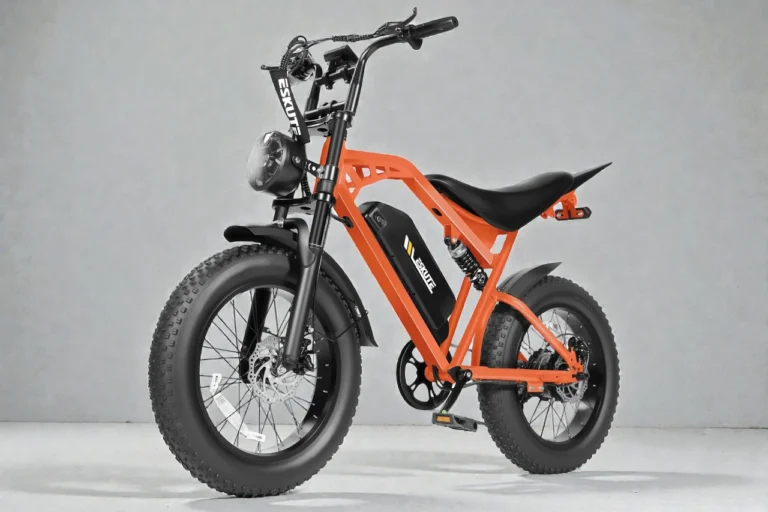
The K10 Trail arrives as you’d expect for a heavy moped-style bike. You get lots of protective packaging, a big frame, chunky wheels, and a cockpit that looks more like a small electric vehicle than a bicycle.
The good news is that most of the big pieces are already in place.
Assembly is straightforward if you’ve built e-bikes before. The main steps are the usual ones: handlebar alignment, wheel installation if needed, pedals, and a careful check of fenders and lighting.
Because this bike is heavy and powerful, I recommend a simple routine:
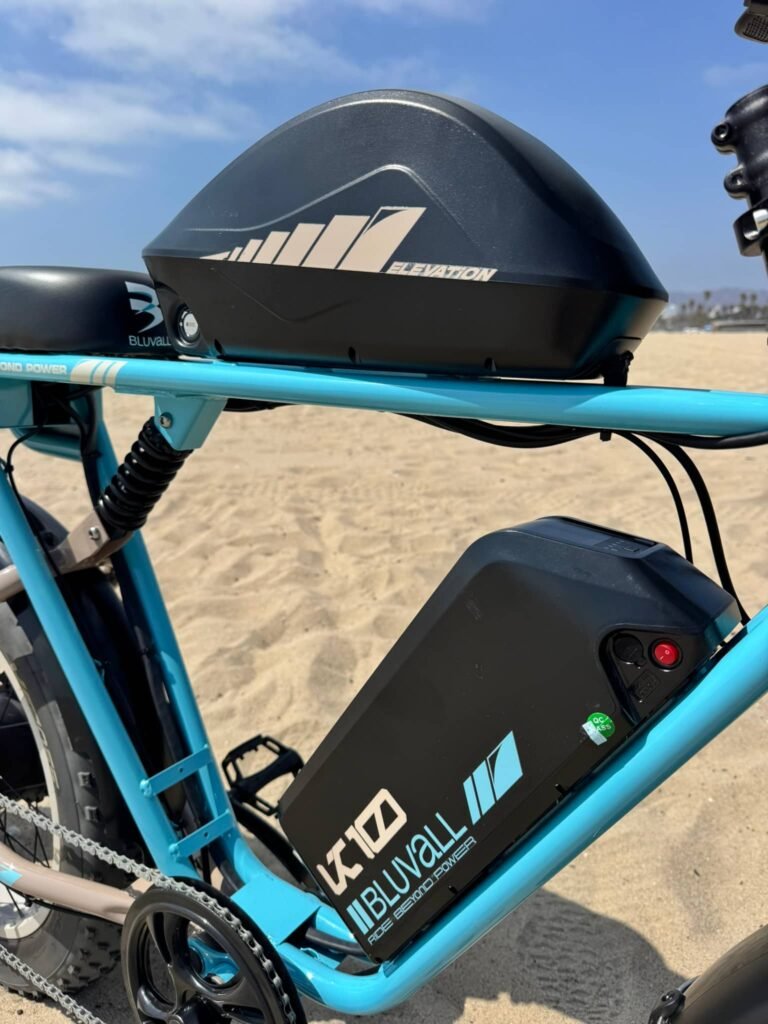
The dual-battery setup is one of the signature features here. One battery mounts lower in the frame, and the other sits higher. The bike feels more balanced than I expected because a good portion of the weight is carried relatively low.
If you asked me what mattered most on this updated version, it was this.
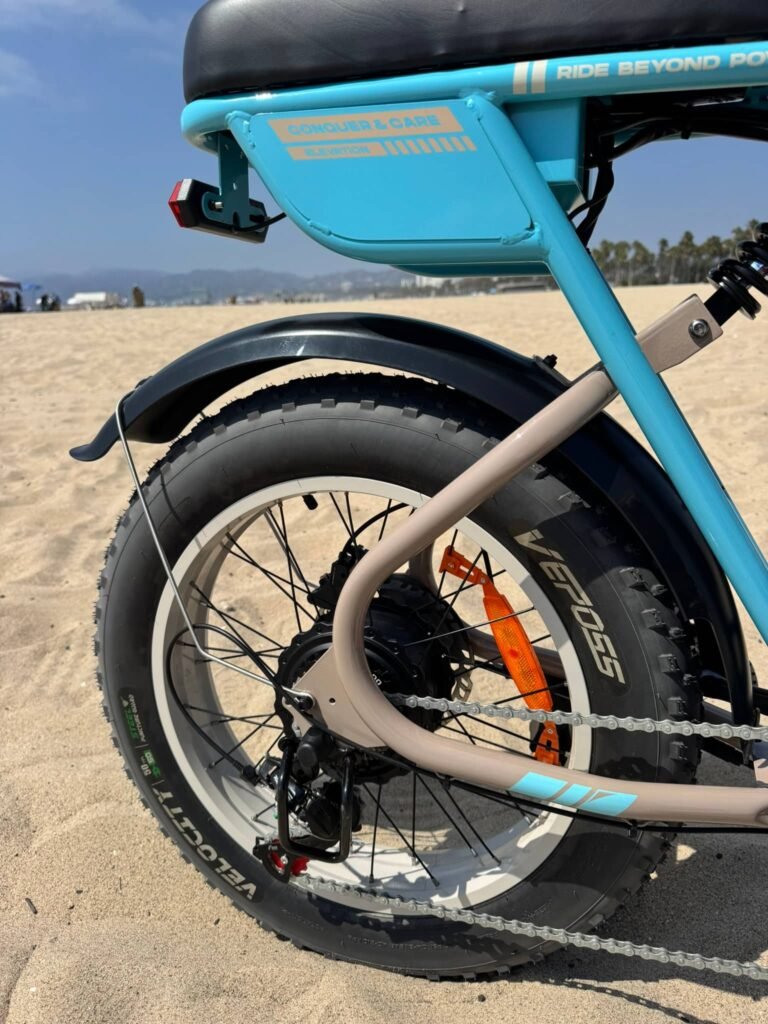
The updated K10 Trail uses a rear coil shock with adjustments, and it feels meaningfully different compared to the harsher rear end I remember from the earlier setup.
In real riding, the updated rear suspension:
This is still a heavy moped-style platform, so it’s never going to float over everything like a full-suspension mountain bike. Still, the improvement is real enough that it changes how long I’m willing to stay in the saddle.
Up front, the dual crown fork gives the bike a planted, confident feel at speed. The trade-off is weight and steering heft. It is not twitchy or playful. It is stable, and it feels more like small moto hardware than bicycle hardware.
To get the most comfort out of this chassis:
The display gives you the information you actually want while riding: assist level, battery percentage, power feedback, and trip data. On high-power bikes, power feedback matters because it helps you ride smarter and manage energy when you’re tempted to stay fast.
One feature I genuinely like is the front motor on and off toggle. It lets you change the bike’s behavior quickly. You can treat it like a single-motor bike when you do not need extra traction, then enable the front motor when the surface gets loose or the grade gets steep.
This category of bike can cover ground quickly, and visibility matters. Integrated lighting makes it easier to actually ride the bike in real conditions instead of constantly thinking about add-ons.
Pedal assist is controlled from the left switch cluster with five levels. The system feels designed for assist cruising rather than athletic pedaling.
This is not the kind of bike you buy for a natural torque-sensor bicycle feel. It is a power-oriented platform that happens to have pedals.
For a moped-style frame, the fit is workable. My pedal stroke feels surprisingly natural for this category, and the bike does not feel awkwardly cramped. Balance also feels decent while rolling, which I credit in part to how the battery weight is positioned.
The 7-speed Shimano drivetrain is practical and durable for day-to-day use, but I still treat pedaling as input for assist rather than the primary power source.
The bike uses a quarter-twist throttle on the right grip. Throttle control is predictable and pairs naturally with the assist settings. You can cruise with assist and add throttle when you want faster acceleration or to hold speed.
The combination of throttle plus the front motor toggle is what gives this bike its moped-like personality.
With both motors engaged, the K10 Trail feels strong off the line and confident as it builds speed. It does not just feel fast, it feels capable of holding pace when wind or slight grades would slow down lighter bikes.
At the same time, the bike’s weight is always present. It is not a nimble bicycle. It is a heavy machine that carries momentum.
On dirt paths and mixed surfaces, the wide stance and knobby 20-inch by 4-inch tires feel ready for imperfect terrain. Dual motor traction helps in loose conditions compared to many single-motor fat tire bikes.
That said, fat tires are not magic:
Hydraulic brakes with 180 mm rotors are the right choice here. Lever feel is firm and stopping is controlled, which is exactly what you want on a bike with this much mass and speed potential.
Each charger outputs 3 amps and charges to 58.8V, which is standard for a 52V system. A realistic expectation is roughly 6 to 7 hours per battery depending on how depleted it is.
The real upgrade is the inclusion of two chargers. Charging both batteries at the same time saves a lot of day-to-day hassle.
I did not complete a dedicated full range ride where I drain both batteries from full to empty under controlled conditions. I am not going to pretend I have a perfect real-world mileage number.
What I can say confidently:
Here is a practical way to think about it:
These are not promises. They are realistic planning numbers based on battery capacity and typical high-power e-bike consumption.
The K10 Trail’s value proposition is simple: a lot of hardware for the money. Dual motors, dual batteries, fat tires, hydraulic brakes, and suspension front and rear.
Where you pay the price is not always in dollars. It is in ownership:
To keep this review honest, these are the drawbacks I would want anyone to understand before buying.
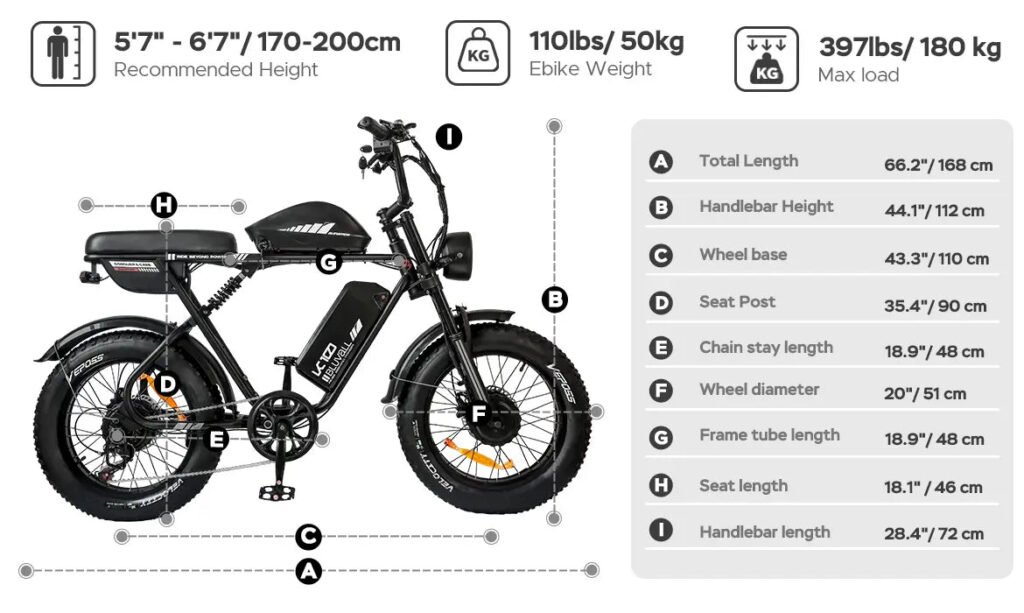
A bike that is well over 100 lb is difficult to carry upstairs or load into a vehicle without a ramp or help. If your daily life involves stairs or tight storage, this can turn into a constant frustration.
Dual motors plus dual batteries mean more wiring, more connectors, and more potential failure points over time. That does not automatically mean it is unreliable, but it does mean you should treat it like a small electric vehicle rather than a simple bicycle. If you hate periodic checks, this category may not be for you.
A bike marketed up to about 35 mph is not a casual neighborhood cruiser. Stopping distance increases, mistakes cost more, and local rules may not match the bike’s capability. You need to ride with discipline and know your local regulations.
Comfort is improved, but it is still a heavy moped-style chassis. If you expect downhill mountain bike comfort on rocky trails, you will be disappointed. The K10 Trail is better on mixed paths and rough pavement than it is on technical terrain.
The refreshed Bluvall K10 Trail does not change what the bike fundamentally is: a high-power dual-motor dual-battery moped-style e-bike built for speed, traction, and long ride time.
What the update does change is livability. Rear comfort is meaningfully better, the cockpit experience is easier to live with, and two chargers remove one of the most annoying dual-battery pain points.
If you want maximum power and battery for the money, and you are prepared for the reality of a heavy, fast machine, the updated K10 Trail is a more complete version of a good concept.
If you want something light, simple, and bicycle-like, you will be happier with a lower-power commuter build.


H hello, again, bluvall team. It’s Joseph here and I paid for my bike and I’m not giving any information from you guys. You said you were going to help me Kate trail. You were going to send me with my color but you said you were certainly going to help me and I’m waiting to see what’s happening if you can send me a comment, please on what we can do or what’s happening. Thank you , wednesday , tuesday , wednesday , alright , whatever safe remind
Hi Joseph,
Thanks for leaving a comment and sharing your experience.
Just to clarify, GoEBikeLife is an independent electric bike review website. We are not part of the BluVall company and unfortunately we do not have access to order information or customer service systems.
For assistance with your bike, the best option is to contact the BluVall support team directly. They should be able to help you check your order status or resolve any issues related to your purchase.
You can reach their customer support here:
bluvallebike@gmail.com
When you contact them, it’s helpful to include your order number, purchase date, and the issue you’re experiencing so they can assist you more quickly.
I hope this helps and that your issue gets resolved soon.
Best regards,
GoEBikeLife Team