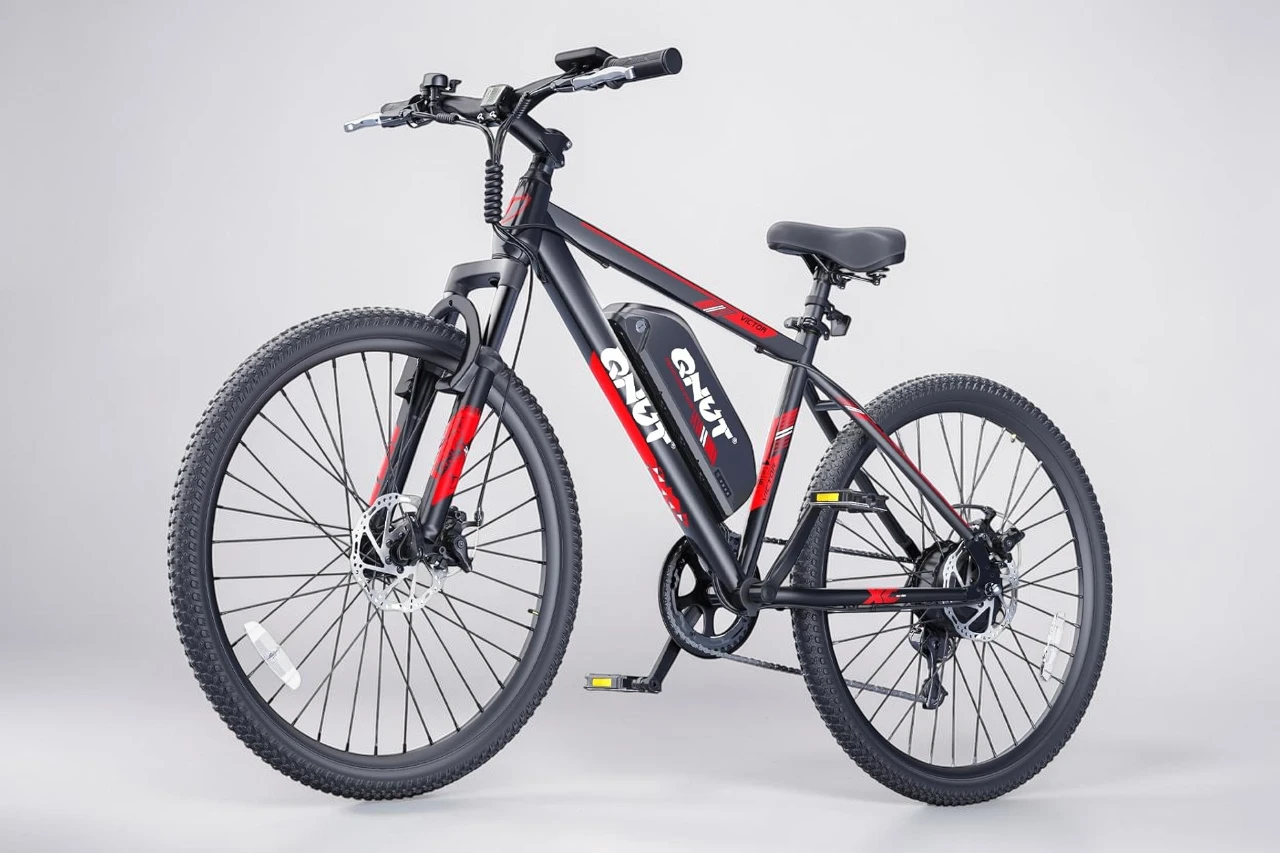
If you’re shopping for a budget-friendly commuter e-bike that won’t leave you stranded on a long hill or a rainy morning, the QNUT Victor 4.0 is worth a closer look. It’s a steel-frame electric bike built around practical features: a removable battery, dual disc brakes, front suspension, and a 7-speed drivetrain.
The Victor 4.0 sits in a competitive price range where real-world durability and honest range numbers matter more than spec-sheet marketing. This review breaks down what you actually get for the money, who it fits best, and where the trade-offs show up.
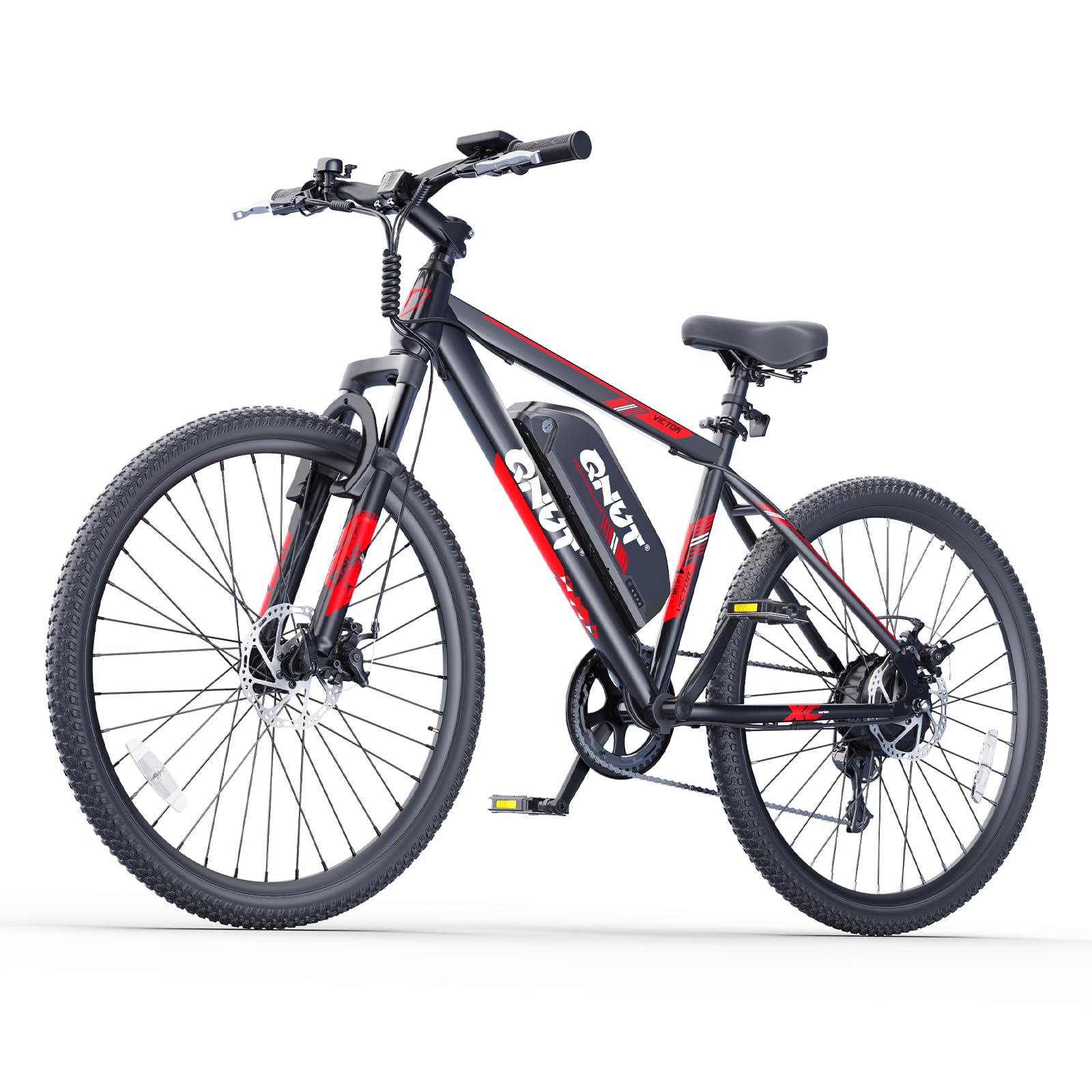
The Victor 4.0 is rated for riders up to about 308 pounds and comes 90% pre-assembled. It carries a UL 2849 battery safety certification and is backed by a one-year manufacturer warranty with ongoing customer support.
Bottom Line
The QNUT Victor 4.0 is a solid entry-level commuter e-bike with a practical feature set and a realistic range for daily errands or weekend rides. It’s not without trade-offs, but for the price point, it delivers dependable daily transportation.

QNUT Victor 4.0 At A Glance
Quick Verdict
The Victor 4.0 is a capable entry-level e-bike that covers the basics well: adequate motor power, a removable battery, comfortable geometry, and reliable braking. The steel frame adds durability at the cost of weight, and the 285Wh battery is modest by modern standards. For riders who need a dependable daily commuter under a tight budget, it earns its keep. Riders expecting long weekend touring range or featherweight portability should look elsewhere.
Who It Fits Best
| Rider Type | Good Fit? |
|---|---|
| Daily urban commuter (under 15 miles round trip) | Yes |
| Weekend leisure rider | Yes |
| Heavier rider (up to 308 lbs) | Yes |
| Long-distance touring rider | No |
| Rider needing a lightweight carry-up bike | No |
| Teen or first-time e-bike rider | Yes |
The Victor 4.0 is built for adults who want a sturdy, low-fuss e-bike for short to mid-range commutes, errands, and casual trail riding. Its beginner skill-level rating and straightforward controls make it accessible to new riders.
Motor Power And Real-World Speed
How The 350W Rated Motor Feels
The motor is rated at 350W continuously, with a peak draw of 1000W for short bursts. In practice, that means smooth starts and enough pull to feel confident in traffic. Pedal assist feels responsive across the five assist levels, and the throttle gives a quick boost when needed. Buyers who have ridden this bike consistently note that starts feel easy and the power delivery is smooth rather than jerky.
Hill Climbing And Acceleration Expectations
QNUT rates the motor for inclines up to 30 degrees, but real-world hill performance depends heavily on rider weight, chosen gear, and assist level. On moderate urban grades, the motor handles the climb without much strain. Steep grades will require dropping into a lower gear and using a higher assist level. Top speed caps at 20 mph on throttle, which is standard for a Class 2 e-bike and appropriate for most city commuting.
Battery Range And Charging Convenience
What To Expect From The 285Wh Battery
The 285Wh capacity is on the smaller side for a commuter e-bike. QNUT’s 40-mile range estimate applies to pedal-assist mode under ideal conditions: flat terrain, moderate speed, lighter rider weight. Throttle-only range drops to around 20 miles. In mixed real-world use, a practical expectation is 25 to 35 miles per charge depending on terrain and assist level. Some buyers report the battery drains faster than expected, so planning for a recharge after every few rides is wise.
Removable Charging Practicality
The battery detaches with a key lock and charges via a standard 42V 2A adapter in roughly four to six hours. Removable charging is a genuine convenience for apartment dwellers or anyone without garage access. The UL 2849 certification adds meaningful safety assurance for indoor charging.
Ride Comfort And Everyday Stability
Steel Frame And Rider Position
Steel frames absorb minor road buzz better than aluminum, which adds a small comfort benefit on rough pavement. The trade-off is weight: at 61.7 pounds, the Victor 4.0 is heavy to lift or carry up stairs. The adjustable handlebar stem and seatpost let riders dial in a comfortable upright position, which suits casual commuting well.
Front Suspension And 26-Inch Tire Feel
The front suspension fork takes the edge off potholes and cracked pavement without adding significant complexity. The 26-inch by 2.125-inch puncture-resistant tires provide a stable contact patch and reasonable cushion on uneven surfaces. Riders who have tested it on light trails and gravel report that the combination handles mixed terrain acceptably, though this is not a purpose-built off-road bike.
Braking Confidence And Safety Basics
Mechanical Disc Brake Trade-Offs
Front and rear mechanical disc brakes offer reliable stopping power in most conditions. They perform well in light rain and are easier for owners to adjust at home compared to hydraulic systems. The trade-off is that mechanical discs require periodic cable tension adjustments and don’t self-adjust like hydraulics. Keeping the cables properly tensioned is a simple maintenance step that most owners can handle with basic tools.
UL 2849 Certification And Wet-Weather Use
The UL 2849 certification covers the battery and electrical system, meaning it has passed standardized safety testing for fire and electrical hazard risks. The IP54 water-resistance rating means the bike can handle rain and splashes without damage to core electrical components. It’s practical for commuting in wet conditions, though submerging it or riding through deep standing water is not advisable.
Assembly, Ownership, And Value
What Setup Is Like Out Of The Box
The Victor 4.0 arrives 90% assembled with a tool kit included. The remaining steps typically involve attaching the handlebars, front wheel, pedals, and display. Buyers, including one who had a 12-year-old complete the assembly, report the process is straightforward. Expect to spend 30 to 60 minutes on setup. Torquing bolts properly and checking brake alignment before the first ride is good practice.
Warranty, Support, And Long-Term Practicality
The one-year manufacturer warranty covers defects, and QNUT offers lifetime one-on-one customer support with a stated 24-hour response time. Buyers generally report positive support experiences. Long-term durability concerns center on the steel frame’s susceptibility to rust if not maintained, and one owner noted tire and rim issues after several months of moderate use. Regular maintenance, including keeping the chain lubricated and checking tire pressure, extends the bike’s service life noticeably.
Pros & Cons
Pros:
- Smooth, responsive motor power across all assist levels
- Removable UL 2849 certified battery for convenient indoor charging
- Steel frame supports riders up to 308 pounds
- Front suspension and puncture-resistant tires suit mixed terrain
- 90% pre-assembled with tools included
- Adjustable handlebars and seat for rider fit customization
- Mechanical disc brakes are reliable and user-serviceable
- One-year warranty with lifetime support access
Cons:
- At 61.7 pounds, carrying it up stairs is genuinely difficult
- 285Wh battery capacity is modest; real-world range can fall short of the 40-mile claim
- Steel frame can rust without proper care
- Mechanical disc brakes require periodic cable adjustments
- Some buyers report rim and tire durability concerns with regular use
- Throttle-only range drops to around 20 miles
Customer Reviews
What Buyers Like Most
Riders frequently highlight the smooth, confidence-inspiring motor power as a standout. Several buyers note that the red color variant looks better in person than in photos. The ease of assembly comes up often, with multiple reviewers saying the process was quicker than expected. Buyers who use the bike for daily commuting and weekend leisure rides consistently describe it as stable and reliable for that purpose. The LCD display’s clarity and the multiple riding modes also receive frequent praise.
Common Complaints To Know
Battery longevity is the most repeated concern. Some buyers feel the charge depletes faster than the advertised range suggests, particularly when using the throttle frequently. One reviewer with several months of moderate use reported that the rims and tires showed wear sooner than expected. The seat comfort also comes up as a weak point, with more than one rider suggesting an aftermarket saddle as an early upgrade. Weight is rarely a deal-breaker, but riders who need to carry the bike regularly should factor it in.
Conclusion
The QNUT Victor 4.0 is a practical entry-level commuter e-bike that delivers on its core promise: reliable motorized assistance for daily urban riding and light trails. The motor feels smooth, the removable battery is genuinely convenient, and the adjustable fit works for a wide range of riders.
The main trade-offs are weight, modest battery capacity, and some durability questions that surface after extended use. For the price, riders who want a sturdy, functional e-bike for commutes under 20 miles round trip will find it a reasonable choice.
Riders who prioritize long-range touring, minimal weight, or hydraulic braking will likely need to look at higher price tiers. For everyone else, the Victor 4.0 is a capable daily driver that earns its spot in the budget commuter category.
| Preview | Product | Price | |
|---|---|---|---|

| QNUT Electric Bike for Adults, 26″ Commuter Ebike, Peak 1000W, 7-Speed | Removable Battery… | $399.99 $239.99 | View on Amazon |
Frequently Asked Questions
How does the bike perform in real-world commuting, including hills and stop-and-go traffic?
The motor handles moderate urban hills well when paired with lower gears and higher assist levels. Stop-and-go traffic is manageable, and the smooth power delivery makes frequent starts feel easy rather than abrupt.
What is the battery range under typical riding conditions, and how long does it take to charge?
In mixed pedal-assist use on varied terrain, a realistic range is roughly 25 to 35 miles per charge rather than the maximum 40-mile estimate. The battery recharges fully in four to six hours using the included adapter.
How comfortable and stable is the ride quality on rough roads and longer trips?
The front suspension fork and wide puncture-resistant tires reduce road vibration noticeably on cracked pavement. The steel frame adds a small comfort buffer, though the stock seat is a common upgrade point for longer rides.
How difficult is the assembly process out of the box, and what tools are required?
The bike arrives 90% assembled, and a tool kit is included in the box. Most riders complete the remaining steps in under an hour without needing outside help or specialized tools.
How reliable are the motor and electrical components over time, and what common issues are reported?
The motor and electrical components generally perform consistently in owner reports over the first several months. Tire and rim wear is the most reported durability concern, alongside the expected need for periodic brake cable adjustments.
How does it compare to similar budget e-bikes in terms of value, features, and warranty support?
The Victor 4.0 competes reasonably well at its price point, offering a removable UL-certified battery, disc brakes, and front suspension that some competitors skip at similar price levels. The one-year warranty and lifetime support access add practical value that budget buyers will appreciate.
GoEBikeLife publishes independent e-bike reviews, comparisons, and practical buying guides. Some links on this page are affiliate links. If you make a purchase through an eligible link, we may earn a commission at no additional cost to you.