Real rides. Real notes. No hype.

Choosing between 500W, 750W, and 1000W peak e-bikes isn’t about big numbers. Learn what really affects hills, starts, and everyday riding.

You see 500w, 750w, and “1000w peak” on e-bike listings all the time. Those numbers sound simple, but they can mislead you when you ride hills, start from stops, or carry gear. Power labels alone do not tell you how an e-bike will feel on the road or trail.
For real riding, sustained power, torque, controller tuning, and battery size matter more than a big peak watt number.
A well-tuned 500w or 750w bike can feel stronger and ride farther than a “1000w peak” bike that only hits that number for seconds.
This article breaks down nominal vs peak power, how motors and batteries work together, and how power affects speed, range, and control. You will also see safety and reliability tradeoffs, plus how to choose the right setup for your riding style, with clear references like Bosch’s guide to motor ratings.
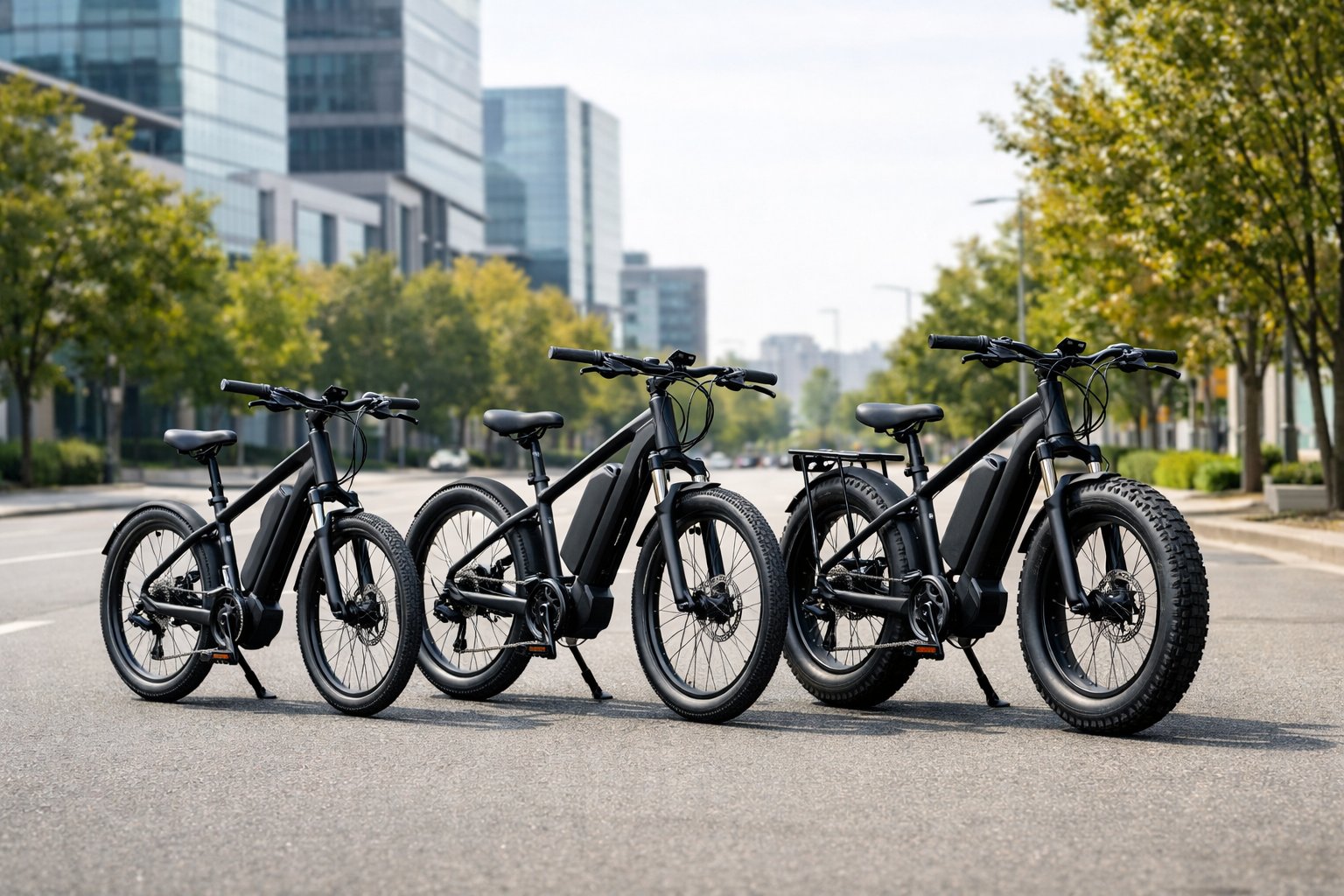
Motor labels shape how an e-bike feels, where you can ride, and what you pay. Power ratings affect hill climbs and speed, laws set access rules, and costs change with motor size and demand.
Motor labels often mix nominal power and peak power, which can confuse you. Nominal power shows what the motor can hold for long rides. Peak power shows short bursts, like starts or steep hills. A “1000w peak” bike often runs at 500–750W nominal.
| Label on Bike | What It Usually Means | What You Feel |
|---|---|---|
| 500W | 500W nominal | Smooth assist, good range |
| 750W | 750W nominal | Stronger climbs, quicker starts |
| 1000W peak | ~500–750W nominal, 1000W short bursts | Brief punch, not sustained |
Two bikes with the same peak rating can feel very different. Battery size, controller limits, and gearing matter. Focus on nominal power for daily riding, not just the biggest number.
Power affects where you can ride and how the bike gets classified. In the U.S., many states follow the three-class system. Class 1 and 2 usually cap motors at 750W nominal and limit speed to 20 mph. Class 3 allows 28 mph with pedal assist, still at 750W nominal.
Bikes marketed as “1000W peak” may still be legal if their nominal rating stays within limits. If the bike truly runs at 1000W nominal, trails and bike paths may ban it, and registration may apply.
Check local rules before you buy. Start with PeopleForBikes’ state-by-state guide.
Price rises with motor size, but not in a straight line. 500W bikes cost less and offer the widest choice. You’ll find more commuter and trail models, plus better parts at the same price.
750W bikes cost more due to stronger motors and controllers. They suit heavier riders and hilly areas. Parts and service stay easy to find.
Bikes sold as 1000W peak often cost more without clear gains. Some use the same hardware as 750W models. Others add heat and wear, which can raise repair costs. Availability varies by region and dealer.
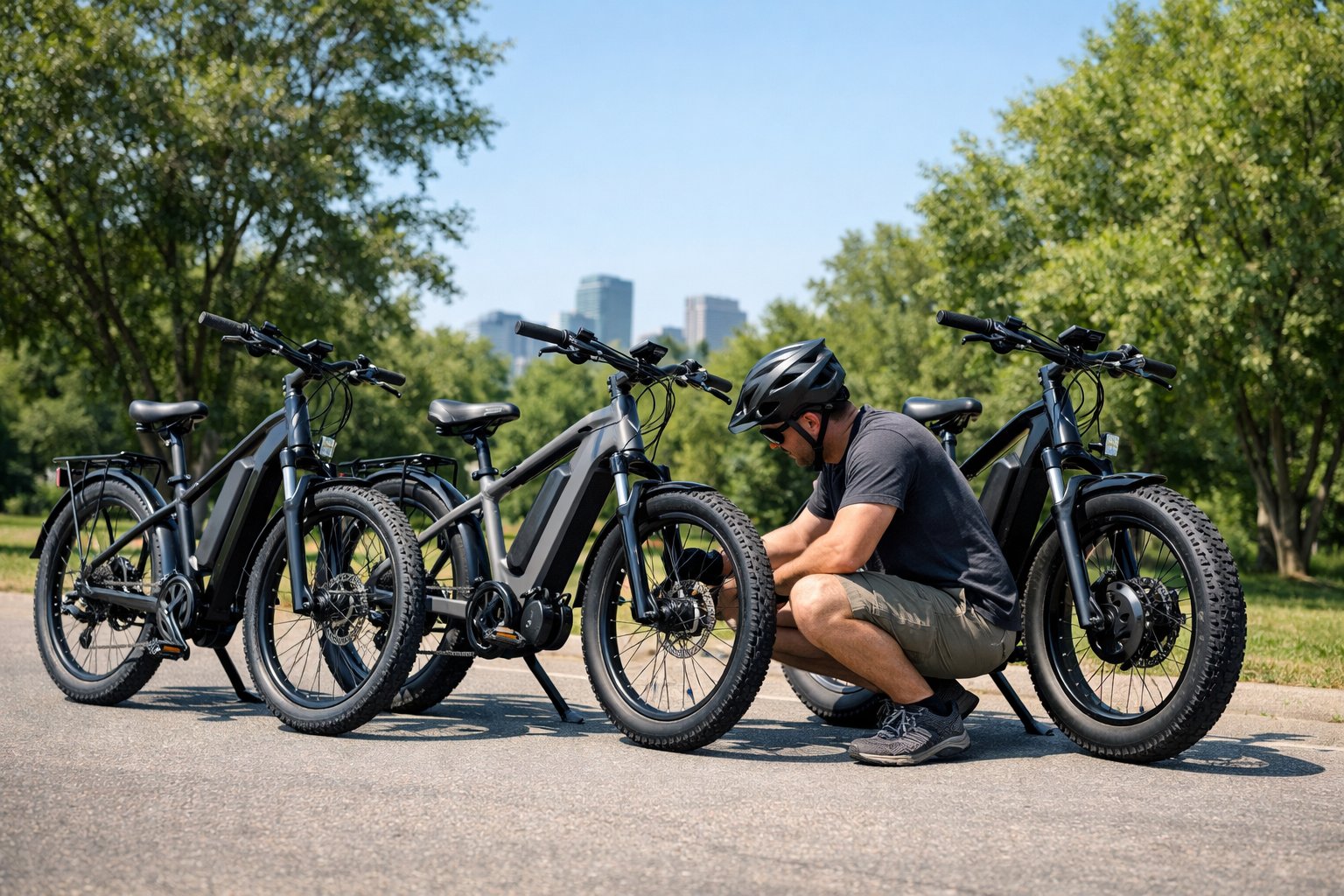
E‑bike listings often mix nominal power and peak power, which can mislead you about real performance. Continuous output matters for steady riding, while peak numbers show brief limits. How brands rate motors explains why a “1000w peak” bike may not feel stronger all the time.
Nominal power, also called continuous power, shows what the motor can deliver all day without overheating. This number matters most when you climb hills, carry cargo, or ride for long stretches.
A 500w motor with strong cooling and gearing can outperform a poorly tuned 750w motor on long climbs. You feel continuous power during steady efforts, not quick bursts.
Why nominal power matters
European standards like EN 15194 use continuous rated power to set legal limits, which shows how important this number is for real use.
Peak power shows the maximum output for a short time, often a few seconds. A motor listed as “1000w peak” may only hit that level during hard starts or brief hill punches.
Battery voltage, controller limits, and motor heat all cap how long peak power lasts. Once heat builds, the system pulls power back.
What peak power helps with
Peak numbers look impressive, but they fade fast. Grin Technologies shows how most motors can only hold peak power briefly before heat forces a drop.
Brands rate motors in different ways, which makes comparisons hard. Some list nominal power clearly. Others lead with peak power because it looks bigger.
Common rating methods include:
Well-known brands like Bosch publish both values and explain their test methods, which helps you judge real output.
When you see “750w nominal, 1000w peak,” focus on the nominal number to judge daily performance.
Motor watt ratings shape how your bike feels when you start, climb, and settle into speed. Nominal power matters for steady work, while peak power affects short bursts like takeoff or steep ramps. Battery voltage, gearing, and rider input still play a big role.
Acceleration depends more on peak power than the number printed on the motor case. A 500W bike with strong peak power can feel quick off the line. A 750W bike usually launches faster, especially with throttle use.
Short bursts matter in traffic and on stop signs. Peak power delivers that punch for a few seconds. Nominal power does not change how hard the bike jumps at zero speed.
What you feel at takeoff
Tires and gearing can limit grip. Too much peak power can spin the rear wheel on loose ground.
Climbing exposes the limits of nominal power. Long hills demand steady output without overheating. A true 750W motor holds speed better than a 500W motor on 8–12% grades.
Rider weight, cargo, and wind stack up fast. Add a trailer, and power needs rise. Peak power helps at the start of a hill, but nominal power keeps you moving near the top.
Mid-drive systems also matter, but watt ratings still guide expectations. If hills define your rides, compare bikes known for strong climbing like those listed under best e-bike for hills.
Practical takeaway
Cruising feels calmer than takeoff or climbing. At steady speeds, nominal power sets the tone. Most riders cruise at 18–22 mph using far less than peak power.
A 500W bike can cruise efficiently on flat ground. A 750W bike holds speed better into headwinds. Higher watt motors often run cooler at the same pace, which can help reliability.
Efficiency drops when you push for top speed. Aerodynamic drag rises fast. More power does not mean much faster cruising without higher battery drain.
Cruise behavior by rating
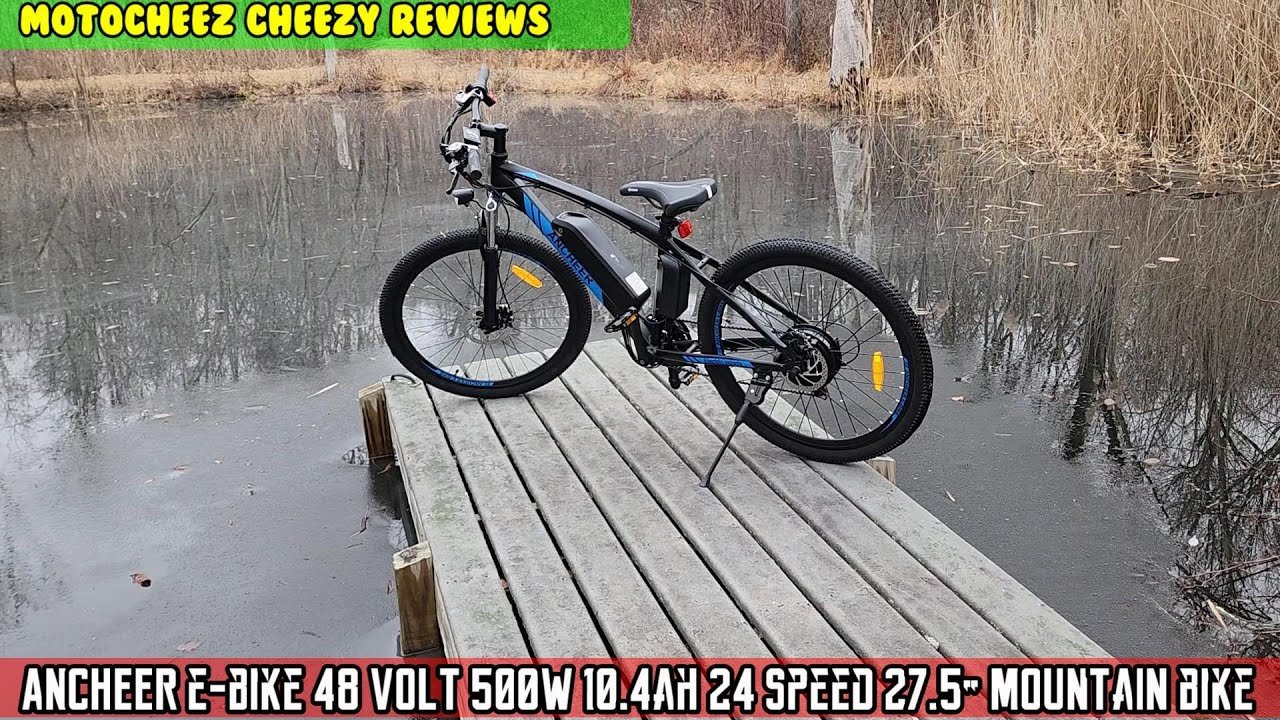
Motor power sets how hard your e-bike can push. Battery capacity sets how long it can keep pushing. Matching the two helps you avoid short range, slow speeds, or wasted weight.
Battery size uses watt-hours (Wh). This number shows how much energy the battery stores. Higher Wh usually means more range, but motor power and how you ride matter just as much.
A 500W bike can feel efficient with a 500–600Wh battery. A 750W bike often needs 600–800Wh to keep similar range. A “1000W peak” bike can drain small batteries fast.
Typical real-world ranges
| Battery (Wh) | 500W | 750W | 1000W peak |
|---|---|---|---|
| 500Wh | 25–45 mi | 20–35 mi | 15–25 mi |
| 750Wh | 35–65 mi | 30–50 mi | 25–40 mi |
| 1000Wh+ | 50–90 mi | 45–75 mi | 35–60 mi |
If range matters most, look at longest range e-bikes that pair large batteries with efficient motors.
You want a battery that matches how you ride. Short trips and flat roads need less Wh. Hills, cargo, and throttle use need more.
Use this quick guide:
A big motor with a small battery leads to short rides and more charging. A small motor with a huge battery adds weight you may not need.
If you shop on a tight budget, many budget electric bikes use 36V batteries under 500Wh. Expect shorter range, even if the motor rating looks strong.
Design affects daily use more than power numbers. Removable batteries make charging easier if you park outside or live upstairs. You can also swap in a spare for longer rides.
Integrated batteries look clean and protect the pack from weather. They often improve frame stiffness. Charging can be harder if the bike must stay near an outlet.
Check these details before you buy:
For higher-power bikes, good cooling and solid mounting matter. A loose or poorly cooled battery wears out faster under heavy loads.
Motor power changes how fast you accelerate, but safety depends on how well the bike stops, stays stable, and carries its weight. The details below explain where riders often run into trouble as wattage increases.
As motor power rises, stopping distance matters more. A 750W or “1000W peak” e-bike reaches speed faster than a 500W bike, so weak brakes become a real risk.
Hydraulic brakes give you better control with less hand force. They resist fade on long descents and stay consistent in wet weather. Mechanical disc brakes can work on 500W bikes, but they demand more grip strength and more frequent adjustment.
| Setup | What You Notice on the Road |
|---|---|
| Mechanical disc | Longer stops, more lever pull |
| Hydraulic disc | Shorter stops, smoother control |
Many long-range commuter and touring models now include hydraulic brakes because higher speeds and heavier frames demand it, especially on long-distance electric bikes.
More power puts more stress into the frame. A 500W motor applies steady force, while higher-output systems deliver sharper torque when you start or climb.
You want a frame that resists flex during hard acceleration. Excess flex makes the bike feel vague in corners and unstable at speed. Look for reinforced welds, a thicker down tube, and a fork rated for the bike’s speed and weight.
Stability also depends on wheelbase and head angle. Longer wheelbases track straighter at higher speeds, which helps on 750W and higher-power bikes. Short, twitchy frames feel fine at 25 km/h but get nervous when pushed harder.
Higher wattage bikes usually weigh more due to larger motors and batteries. Where that weight sits matters more than the total number.
A low, centered battery improves balance. Rear-heavy setups can lift the front wheel during acceleration, especially on “1000W peak” systems. Front-end lightness reduces steering control and braking grip.
Pay attention to cargo and racks. Adding weight behind the rear axle increases sway at speed. For daily riding, balanced weight distribution helps you brake straighter, corner with confidence, and recover faster from mistakes.
Motor wattage shapes how your e-bike feels on hills, under load, and at low speeds. The right choice depends on where you ride, how much you carry, and how often you need strong pull from a stop.
For daily trips on streets and bike lanes, 500W works for most riders. You get smooth starts, steady cruising, and good range without extra weight. On flat routes, it keeps pace with traffic at legal assist speeds.
If your commute includes short hills or frequent stops, 750W feels more relaxed. It pulls away from lights with less effort and holds speed better when loaded with a backpack.
Key points to check:
Riders shopping for commuter e-bikes often prefer balanced setups that favor range and control over raw power.
Trails reward control and torque more than top speed. A 750W motor usually hits the sweet spot for climbing, roots, and loose gravel. It delivers steady pull without spinning the rear tire as easily as higher-power setups.
A “1000W peak” label can help on steep bursts, but peak numbers only apply for short moments. Sustained output and heat control matter more on long climbs. Check how the bike limits power when the motor warms up.
What to prioritize off-road:
If you ride mixed terrain, 750W often feels easier to manage than higher peaks.
Hauling kids or gear changes everything. Extra weight demands consistent torque, not just short bursts. Many cargo bikes use 750W systems tuned for low-speed pull, which helps on hills and starts.
A 1000W peak rating can help when you launch from a stop with a full load. Still, sustained power and cooling matter more than the headline number. Look at how the bike performs after several minutes of climbing.
Focus on these details:
Riders comparing cargo e-bikes should match motor power to total load and typical routes, not marketing labels.
Motor power numbers matter less over time than how you treat the system. Heat, moisture, and electrical stress decide how long your e‑bike lasts.
You protect reliability by managing heat and charge habits. Higher watt motors run hotter under load, especially on hills or at low speed. Heat shortens motor insulation life and speeds battery wear. Avoid long climbs at full throttle. Use lower assist and spin faster when you can.
Battery care matters more than peak power. Keep charge between 20% and 80% for daily riding. Store the bike in a cool, dry place. Heat above 86°F (30°C) degrades lithium cells faster, according to Battery University.
Use simple checks:
The controller takes the most stress on high‑power setups. A 750W or “1000W peak” system pushes more current through wires and circuits. Poor cooling and water entry cause most failures. Choose bikes with sealed controllers and clear IP ratings for water resistance.
You reduce risk with basic habits. Avoid pressure washing. Water forces past seals and damages boards. Check cable strain near the head tube and rear axle. Movement there causes wire breaks over time.
Look for safety standards when buying or upgrading:
More power demands better care. Clean, cool, and dry electronics last longer.
You now know that 500W, 750W, and “1000W peak” labels don’t tell the full story. What you feel on real rides depends more on torque, controller tuning, gearing, and rider weight than on the biggest watt number. Credible guides from Bosch and PeopleForBikes make this clear: watts alone don’t predict hill climbing or range (Bosch eBike Systems, PeopleForBikes).
| Your riding need | What matters most |
|---|---|
| Steep hills | High torque (Nm) and good gearing |
| City commuting | Smooth power delivery and range |
| Cargo or heavier riders | Controller quality and sustained power |
| Trail or mixed use | Motor tuning and traction |
Ignore “peak” claims unless the maker shows continuous power and torque specs. Many brands advertise short bursts that last seconds and don’t help on long climbs. Consumer guides from Rad Power Bikes explain why sustained output and efficiency matter more for daily riding (Rad Power Bikes).
Choose the bike that matches how you ride, not the biggest number on the box. When you compare torque, controller behavior, and real-world range, you make a safer bet and avoid costly mistakes.