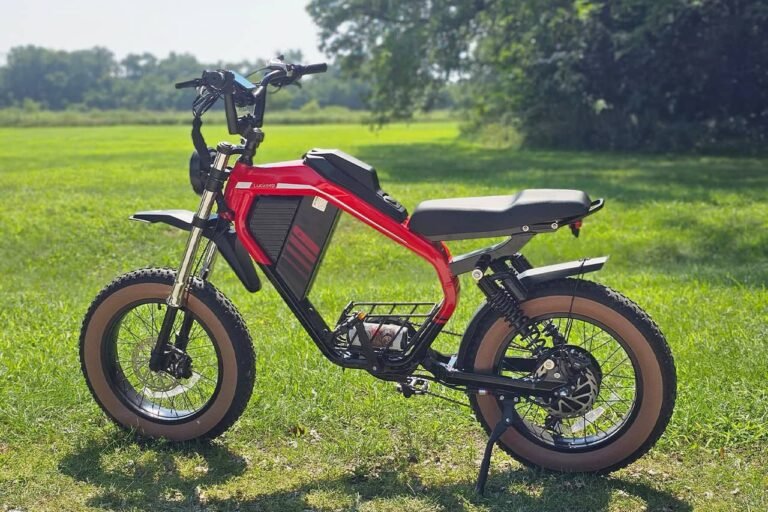
Real rides. Real notes. No hype.

My real-world take on the Jasion YR20: strong power, comfy moped-style ride, and solid battery life—plus the drawbacks that matter most.
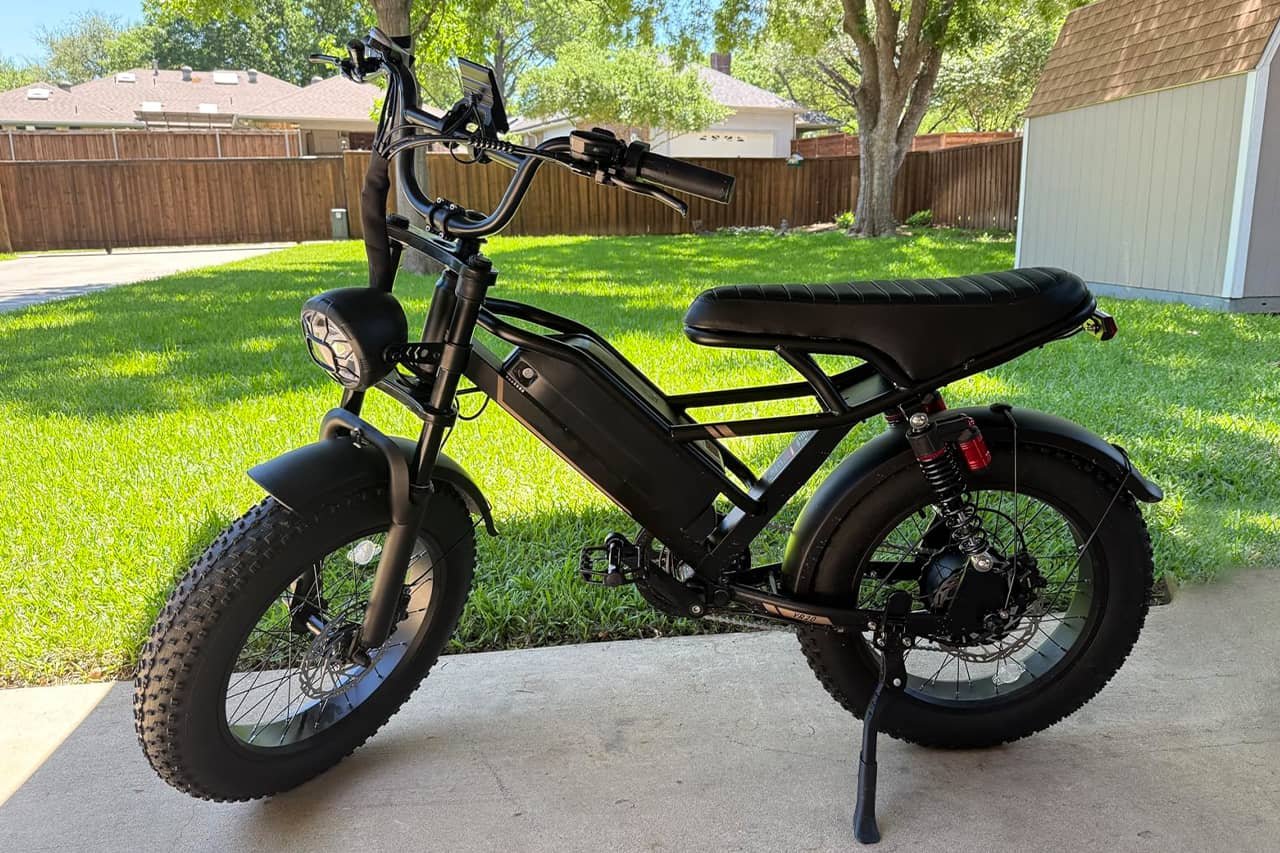
Strong, confidence-building acceleration and a comfy moped-style ride, but it’s bulky to store—and the brake feel may need dialing in.
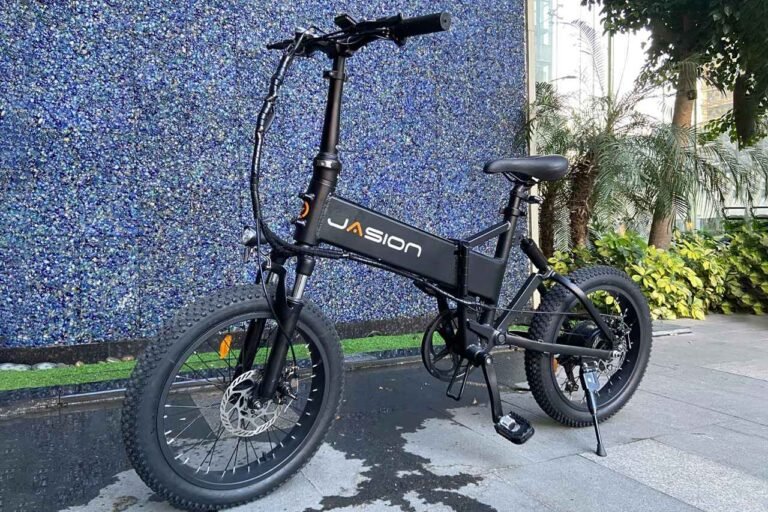
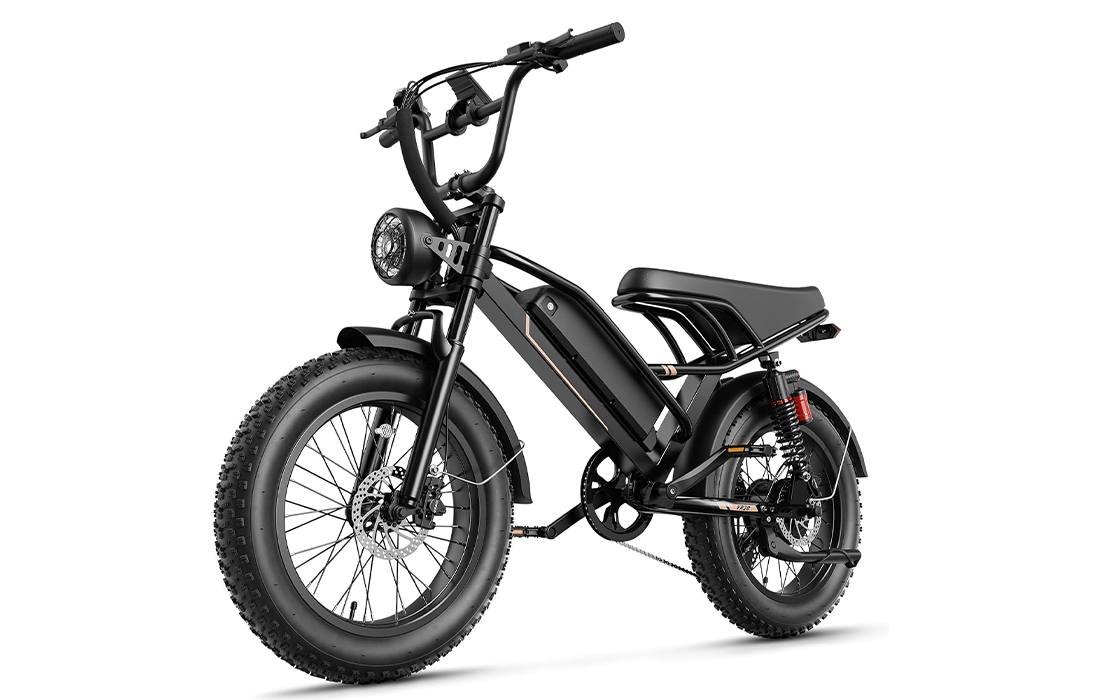
The Jasion RetroVolt YR20 is a moped-styled, 20″ fat-tire e-bike built for riders who want throttle-friendly fun, comfy cruising, and enough muscle to handle hills and extra load—without jumping into premium pricing.
I tested it as a practical “do-it-all” machine: short commutes, neighborhood cruising, rougher pavement, and a few pulls with a small bike trailer. It’s the kind of e-bike that makes you look for excuses to ride… but it also comes with some very real compromises (mostly around braking feel, weight/size, and how “bike-like” it feels).
If you’re considering the YR20, this review will help you decide if it fits your riding reality—not just the spec sheet.
One-sentence verdict: The Jasion YR20 is a great choice for riders who want moped-style comfort and strong “get-up-and-go”, but it’s not ideal if you need lightweight handling, easy carrying/storage, or top-tier braking feel out of the box. EBike Review V3
Best for:
Not ideal for:
Biggest strength: Strong, confidence-building power delivery for everyday riding and hills.
Biggest trade-off: It’s a big, heavy moped-style platform—storage and handling are not “regular bike” easy.
The YR20 is designed to feel more like a small “mini moto” than a traditional bicycle. You get a long bench seat, wide 20×4 tires, a compact wheelbase feel, and a ride position that’s relaxed and upright.
The “why” behind this design is simple: comfort + stability + fun factor. This style is especially appealing if you don’t want a twitchy bike or if you want to carry a little extra load (or even a passenger for short, private-property rides—more on that later).
| Spec | What’s listed / shown |
|---|---|
| Motor | 2000W peak brushless |
| Torque | 120 Nm max |
| Battery | 48V 20Ah (960Wh) removable |
| Range | Up to 80 miles PAS |
| Top speed | 32+ mph |
| Tires | 20″ × 4.0″ fat tires |
| Gearing | 7-speed |
| Brakes | Hydraulic disc |
| Suspension | Front + rear (full suspension) |
| Display | LCD with multiple modes + cruise control |
| Frame | High carbon steel |
| Lights | Front light + turn signals + brake light |
If your ideal ride looks like cruising at comfortable speeds, rolling over rough pavement without getting beat up, and having enough power to make hills feel manageable, the YR20 fits that mission well.
It especially makes sense for:
This is where the YR20 can be the wrong tool—fast.
If any of these are your daily reality, you’ll likely be happier with a lighter commuter e-bike or a smaller folding-style option.
The first thing I noticed is the YR20’s strong, eager push when you ask for power—especially from a stop. It doesn’t feel sleepy or underpowered the way some budget fat-tire bikes do.
In stop-and-go riding, that matters. The bike feels like it wants to get moving, which is great for:
On hills, it stayed composed and didn’t feel like it was begging for mercy. With a small trailer attached, it still pulled up a hill with minimal effort, which matches the “torque-forward” personality this bike is aiming for.
The trade-off: That same “strong push” can feel a little aggressive if you’re new to throttle e-bikes. You need to ride it with intention—especially in tight spaces—because it’s not a gentle, lightweight commuter that you casually flick around.
This style of bike feels happiest at steady cruising speeds, where the fat tires and weight work in your favor. The bike settles in and feels planted over rough pavement that would rattle a skinnier-tire commuter.
At higher speeds, stability depends a lot on:
I treated the “32+ mph” as a best-case claim rather than something I’d chase constantly. Realistically, most owners will spend the majority of time cruising below max.
The listing claims up to 80 miles in PAS. That’s possible only in ideal conditions (lower speeds, lighter loads, flatter routes, conservative assist).
My realistic expectation for most riders:
Top range killers on this bike: speed, fat tires, hills + extra weight. Fat tires are fantastic for comfort and traction, but they do cost you energy.
The YR20’s comfort is a big part of its appeal:
It’s the kind of bike that makes longer rides feel less punishing, especially if your roads aren’t perfect.
Passenger note: The seat can hold two average-size people for short rides, but I’d treat that carefully. Passenger riding depends on local laws, how the bike is equipped (pegs/handholds), and total payload. Even when a bike can physically carry the weight, safety and legality are separate questions.
If you ride in dense city bike lanes and constantly weave around obstacles, a lighter commuter will feel easier. If you ride more open routes, the YR20’s planted feel is relaxing.
The bike is listed with hydraulic disc brakes, which is what I want to see at this speed/power category.
That said: I still wanted stronger braking feel. The braking was functional, but the bite and lever feel didn’t impress me immediately.
Before blaming the hardware, I always recommend:
Even after that, my personal note stands: brakes could be a touch better, especially if you plan to ride fast, ride loaded, or ride in traffic regularly.
Safety-wise, I did like the idea of a full lighting system with turn signals and a brake light (as shown). For real-world riding, visibility matters as much as raw stopping power.
The LCD display is straightforward and gives the information riders actually use: speed, assist level, battery status, and ride data.
Cruise control is a nice comfort feature for long, steady roads—but I consider it a “use carefully” option. On busy paths or unpredictable traffic, I prefer manual control.
At 5′10″, I fit the YR20 comfortably and didn’t feel cramped. The cockpit feels natural for this style: upright, relaxed arms, and a seat that supports casual cruising.
My experience matched your note: easy to assemble, and it arrives mostly complete. Everything worked properly out of the box, which is what you want from a value-focused e-bike.
On a bike like this, I always re-check:
Wear items like brake pads, chain, and tires will matter more because:
I’d also plan on periodic brake checks if you ride fast or ride loaded.
Per the provided info:
Compared to lighter commuter e-bikes: the YR20 feels more stable and comfortable on rough roads, with stronger “fun factor,” but it’s harder to store and less efficient to pedal.
Compared to other budget moped-style fat-tire e-bikes: the YR20’s big selling point is the high claimed power + large battery class, while the common compromises remain the same: weight, bulk, and the need to pay attention to brakes and setup.
Is the Jasion YR20 good for hills?
Yes—its power-forward tuning makes hills feel manageable, even with light loads like a trailer.
Can it really go 32+ mph?
That’s a claimed figure. Real top speed depends on rider weight, terrain, wind, battery level, and how the bike is configured.
Is the battery removable?
Yes, it’s listed as removable, which makes indoor charging more convenient.
Is it comfortable for longer rides?
For this style, yes. The fat tires, suspension, and relaxed position help reduce fatigue.
Can two people ride on the seat?
Physically it may support it, but it depends on payload, equipment (pegs/handholds), and local rules. I’d treat passenger riding cautiously.
What maintenance should I expect?
Expect regular checks on brakes, tire pressure, and bolts—plus normal wear items like pads, chain, and tires.
Is it easy to assemble?
In my experience, yes. It ships mostly assembled and finishes quickly with basic tools.
If you want a moped-style e-bike that feels powerful, comfortable, and genuinely fun, the Jasion YR20 delivers strong value—especially for riders who deal with rough roads, hills, or occasional hauling.
Buy it if: you want confident acceleration, comfort, and stability, and you don’t mind a heavier bike.
Skip it if: you need easy storage/carrying, super-nimble handling, or you’re extremely picky about brake feel out of the box.
My personal judgment: If my priority was a relaxed, torque-forward cruiser that can handle real-world errands and hills, I’d be comfortable spending my own money here—with the expectation that I’ll dial in the brakes and treat weight/storage as the price of admission.
| Preview | Product | Price | |
|---|---|---|---|

|
Jasion 3000W Electric Bike for Adults, Bicicleta eléctrica para adultos,Electric Dirt Bike, e Bikes… | $579 | View on Amazon |