Real rides. Real notes. No hype.

This guide ranks hunting e-bikes by quiet power, usable range, and hauling stability on rough trails. It highlights trade-offs to match your terrain and gear.
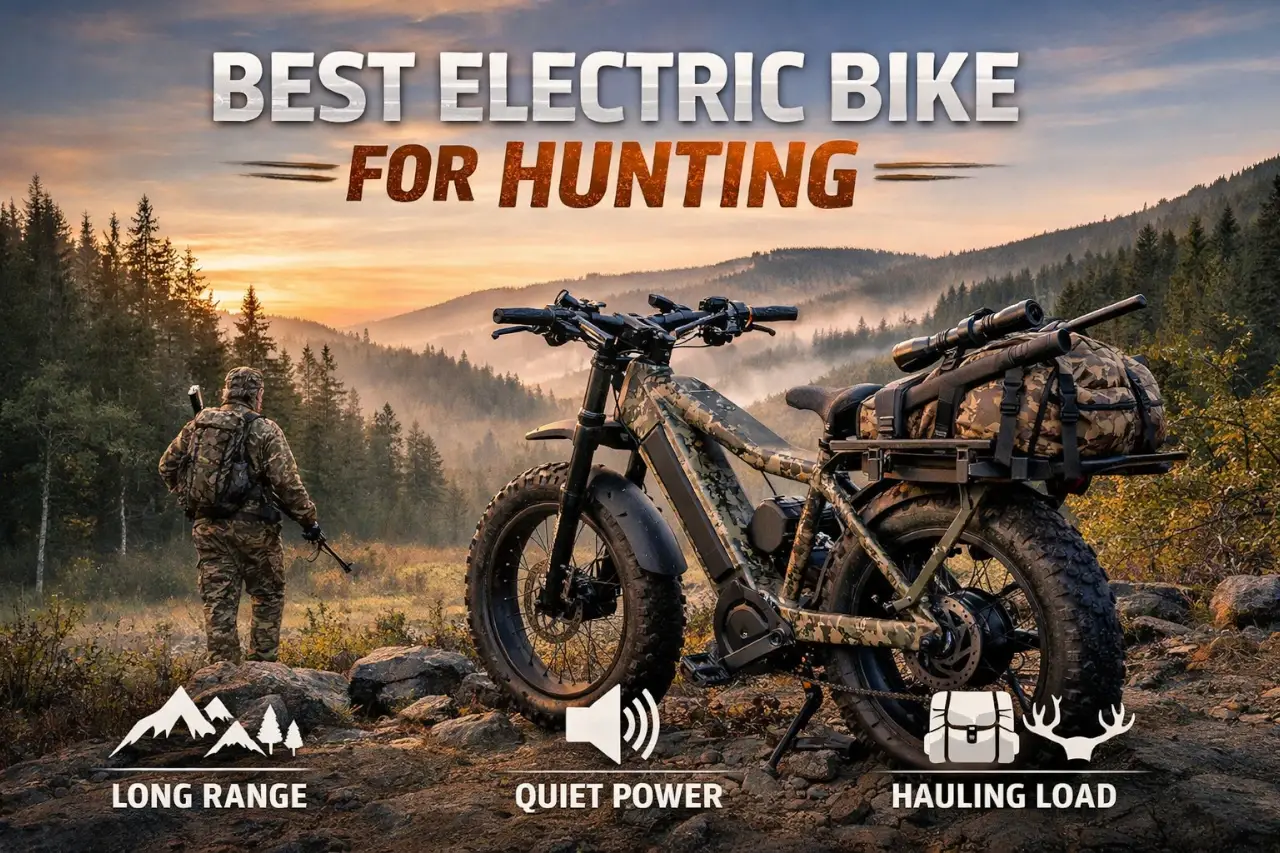
Hunters use electric bikes to cover ground quietly, carry gear, and reach spots that trucks cannot. A good hunting e‑bike reduces noise and effort while helping you save energy for the hunt. The best electric bike for hunting balances quiet power, long range, and strong hauling ability without adding excess weight.
This guide is for hunters who want a reliable way to scout, travel to stands, or haul meat on legal trails and private land. We researched and compared popular models using real buyer needs, not brand claims, and focused on how they perform in the field.
We ranked each pick on motor strength, battery range, load capacity, comfort, and long-term reliability, along with price and support. If you want the fastest answer, jump to our top pick.
Below is our list of the best electric bikes for hunting. We focused on range, noise, weight, and how each bike handles rough trails with gear. Some models suit long rides and heavy loads, while others fit tight budgets or lighter use, so we note who each bike works for and who should skip.
![Best Electric Bike for Hunting: Tested Picks for Quiet Access and Hauling ([year])](https://m.media-amazon.com/images/I/71OKeu67EfL.jpg "Best Electric Bike for Hunting: Tested Picks for Quiet Access and Hauling ([year])")
We recommend this bike for hunters who want a quiet, stable ride that handles rough ground and carries gear without much fuss.
Pros
Cons
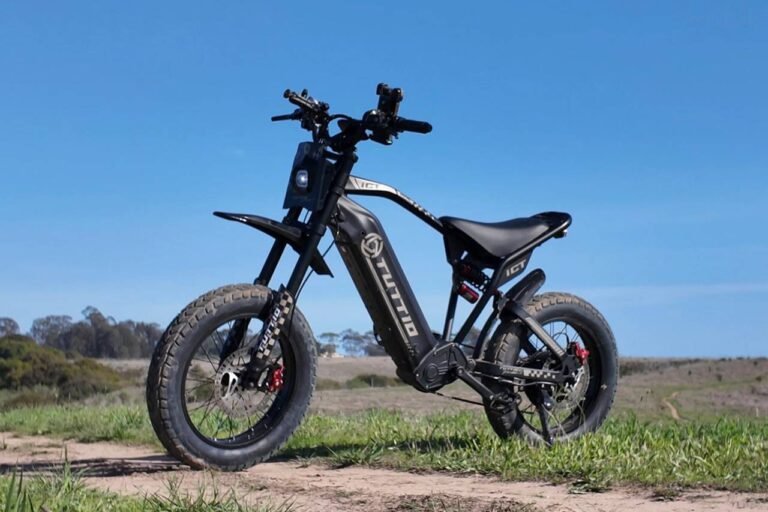
We rode the Boxer on logging roads and muddy paths before dawn. The bike stayed steady, even when the trail turned uneven. The fat tires kept grip on wet leaves and loose dirt, which helped us stay balanced and quiet.
Power delivery felt controlled, not jumpy. We eased up hills without spinning out or drawing attention. That made it easier to reach a stand without breaking a sweat or making noise.
Comfort stood out on longer rides. The suspension softened bumps that would wear us down on a regular bike. After an hour of riding, our hands and back still felt fine.
The weight shows up when loading and unloading. If you hunt solo, plan ahead for that step. Once rolling, the weight helped the bike feel planted rather than sluggish.
This model fits hunters who value stability and comfort over a lightweight build. If you need something easy to lift or travel with often, you may want to look elsewhere.
![Best Electric Bike for Hunting: Tested Picks for Quiet Access and Hauling ([year])](https://m.media-amazon.com/images/I/81rFi3QDM4L.jpg "Best Electric Bike for Hunting: Tested Picks for Quiet Access and Hauling ([year])")
This bike fits hunters who want quiet help on rough ground without giving up control or comfort.
Pros
Cons
We rode this bike on logging roads and through wooded trails. The wide tires stayed steady on soft dirt and wet leaves. The motor felt calm and controlled, not jumpy, which helped keep noise down near hunting spots.
Climbing hills took less effort than expected. The pedal assist matched our push well, so we did not feel yanked forward. That balance helped us keep a slow pace when needed.
The suspension soaked up ruts and roots better than most e-bikes we have used. Long rides felt easier on our backs and knees. After a few hours, we still felt fresh enough to keep going.
Weight stands out as the main drawback. Lifting the bike over fallen logs took planning. We also noticed the stock tires worked fine, but tougher tubes would help for rocky areas.
This model works best for hunters who ride in, not carry in. If you need a lighter bike to lift often, you may want to skip it. For riding deep into the woods with gear, it does the job well.
![Best Electric Bike for Hunting: Tested Picks for Quiet Access and Hauling ([year])](https://m.media-amazon.com/images/I/71JXkOMGU+L.jpg "Best Electric Bike for Hunting: Tested Picks for Quiet Access and Hauling ([year])")
This bike makes sense for hunters who want strong off-road power and long range but can handle extra weight.
Pros
Cons
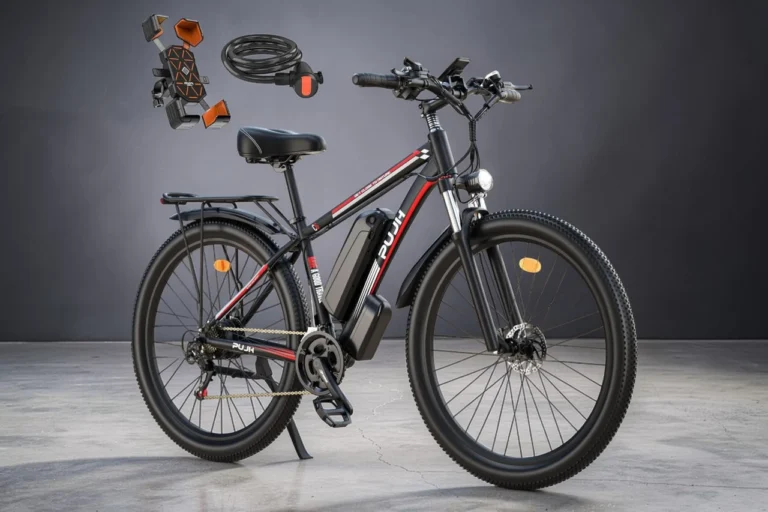
We rode this PUJH bike on logging roads and narrow trails, and the first thing we noticed was how easily it pushed uphill. Even with gear on the rear rack, it did not bog down. That helped us reach spots faster and with less noise than an ATV.
The wide tires held their line on soft dirt and wet leaves. Steering felt stable, not twitchy, which matters when riding early in the morning. Suspension helped smooth out ruts, though we heard some squeaks over bigger bumps.
Weight stands out right away. Moving it into a truck bed took planning, and tight turns on foot felt awkward. Once rolling, the weight mattered less, but this is not a bike we would want to carry far.
For hunters who ride deep and haul loads, this bike fits the job. Those who want a lighter, quieter ride for short trips may want to look elsewhere.
![Best Electric Bike for Hunting: Tested Picks for Quiet Access and Hauling ([year])](https://m.media-amazon.com/images/I/819i4RoVpOL.jpg "Best Electric Bike for Hunting: Tested Picks for Quiet Access and Hauling ([year])")
This bike fits hunters who want strong trail control, quiet travel, and room to carry gear, but it feels oversized for tight woods or short rides.
Pros
Cons
We rode this EcoE on muddy logging roads and broken trails, and it never felt stressed. Power comes on smoothly, which helps when easing toward a stand without spinning the tires. The ride feels planted, even when the trail turns rough.
Comfort stood out during longer sits in the saddle. The suspension softens roots and washouts, so our legs stayed fresh. That matters on early mornings when focus matters more than speed.
Hauling gear felt natural with the rear rack. We strapped down a pack and extra layers without shifting weight issues. Balance stayed solid, even when stopping on uneven ground.
Size brings trade-offs. In thick woods, turning around takes space, and lifting it into a truck takes effort. Riders who hunt tight trails or need easy transport may want a smaller option.
We see this bike working best for hunters who cover distance on mixed terrain and want a calm, controlled ride. Those who value light weight over strength should keep looking.
![Best Electric Bike for Hunting: Tested Picks for Quiet Access and Hauling ([year])](https://m.media-amazon.com/images/I/71e7dGqBn+L.jpg "Best Electric Bike for Hunting: Tested Picks for Quiet Access and Hauling ([year])")
This bike fits hunters who want strong pull on rough ground and quiet control when moving gear into the field.
Pros
Cons
We rode the Falcon on muddy access roads and cut trails. The dual motor setup helped us crawl uphill without spinning out. Switching to single motor saved power while cruising between spots.
Noise stayed low at slow speeds, which mattered when easing toward stands. Throttle control felt steady, so we could keep balance while carrying packs and tools.
Comfort stood out over long rides. The rear suspension softened ruts and roots, and the wide tires stayed planted on wet leaves. We felt less beat up at the end of the day.
The weight shows when lifting the bike or turning it in tight spaces. Riders who need a light carry bike may want to skip it. For hunters who ride more than they lift, the trade-off makes sense.
We start by looking at terrain, distance, and weather. Steep hills and soft ground demand more torque and tire grip. Flat land favors range and quiet travel.
We also think about how far we ride before the hunt starts. Longer rides need larger batteries, but bigger batteries add weight.
We focus on steady power, not top speed. A strong motor helps on climbs and when hauling gear. Too much power can drain the battery fast.
Noise matters in the field. We favor systems that run quietly under load, even if they give up some speed.
Battery size should match real use, not lab numbers. Cold weather and heavy loads cut range.
We suggest planning for at least 20–30% extra range beyond your normal ride.
| Use Case | Battery Priority |
|---|---|
| Short rides | Lighter battery |
| Long access roads | Higher capacity |
| Cold weather | Larger reserve |
A sturdy frame matters when we carry meat or packs. Lighter bikes feel better on tight trails but can flex under load.
We check rack mounts and balance. Poor weight placement makes slow riding harder.
Wide tires improve grip and reduce sink in mud or snow. They also add rolling resistance.
Strong brakes help on descents with gear. Riders who hunt flat land may not need the largest systems.
We skip full suspension if we hunt smooth trails and want simplicity. We also avoid heavy add-ons if we hike part of the route.
Electric hunting bikes need quiet power, steady handling, and parts that hold up off-road. We focus on features that matter in the field and skip extras that add cost without value.
1) Are e-bikes allowed for hunting on public land?
It depends on who manages the land and which roads/trails you plan to ride. On U.S. Forest Service lands, Class 1–3 e-bikes are generally allowed where motor vehicles are allowed (motorized roads/trails), not automatically on non-motorized routes. On BLM lands, Class 1–3 e-bikes may be authorized on some non-motorized roads/trails, but that access has to be specifically allowed through local decisions.
2) What e-bike class is best for hunting (Class 1, 2, or 3)?
For access and fewer headaches, Class 1 or Class 2 is usually the safest bet because many trail systems treat them more like traditional bikes. Class definitions are commonly: Class 1 (pedal-assist to 20 mph), Class 2 (throttle-capable, limited to 20 mph), Class 3 (pedal-assist to 28 mph). Class 3 can be more restricted on certain paths/trails, so it’s best when your hunting routes are mostly roads and motorized corridors.
3) How do I avoid buying a “hunting e-bike” that’s treated like a motor vehicle?
Some “hunting” models push into moped/e-moto territory (weight, speed, power, or “pedals-for-show” setups), which can get them treated differently than standard e-bikes in rules and enforcement. A good practical check is whether it clearly fits the Class 1–3 framework that land agencies reference in their e-bike guidance. If you’re hunting public land, staying inside those class definitions reduces the risk of being limited to motor-vehicle-only routes.
4) Mid-drive or hub motor for hunting: which is better?
If you expect steep climbs, soft ground, and heavy loads, a mid-drive is often easier to manage because it drives through the bike’s gears and keeps weight centered for stability. Hub motors can be simpler and cost less, but in rough terrain with cargo, they can feel less efficient and more “pushy,” especially when you’re crawling uphill.
5) How much range do I really need, and what about cold weather?
Real hunting range depends on total load (you + gear), tire choice (fat tires cost range), terrain, wind, and how often you use high assist. In cold conditions, it’s normal for lithium-ion batteries to lose noticeable capacity—often around 20–30%—so plan extra buffer. Practical approach: assume your “easy day” range, then cut it down for bad terrain and cold, and consider carrying a spare battery or keeping the battery warmer until you ride.